
Burnaby
Building in Burnaby
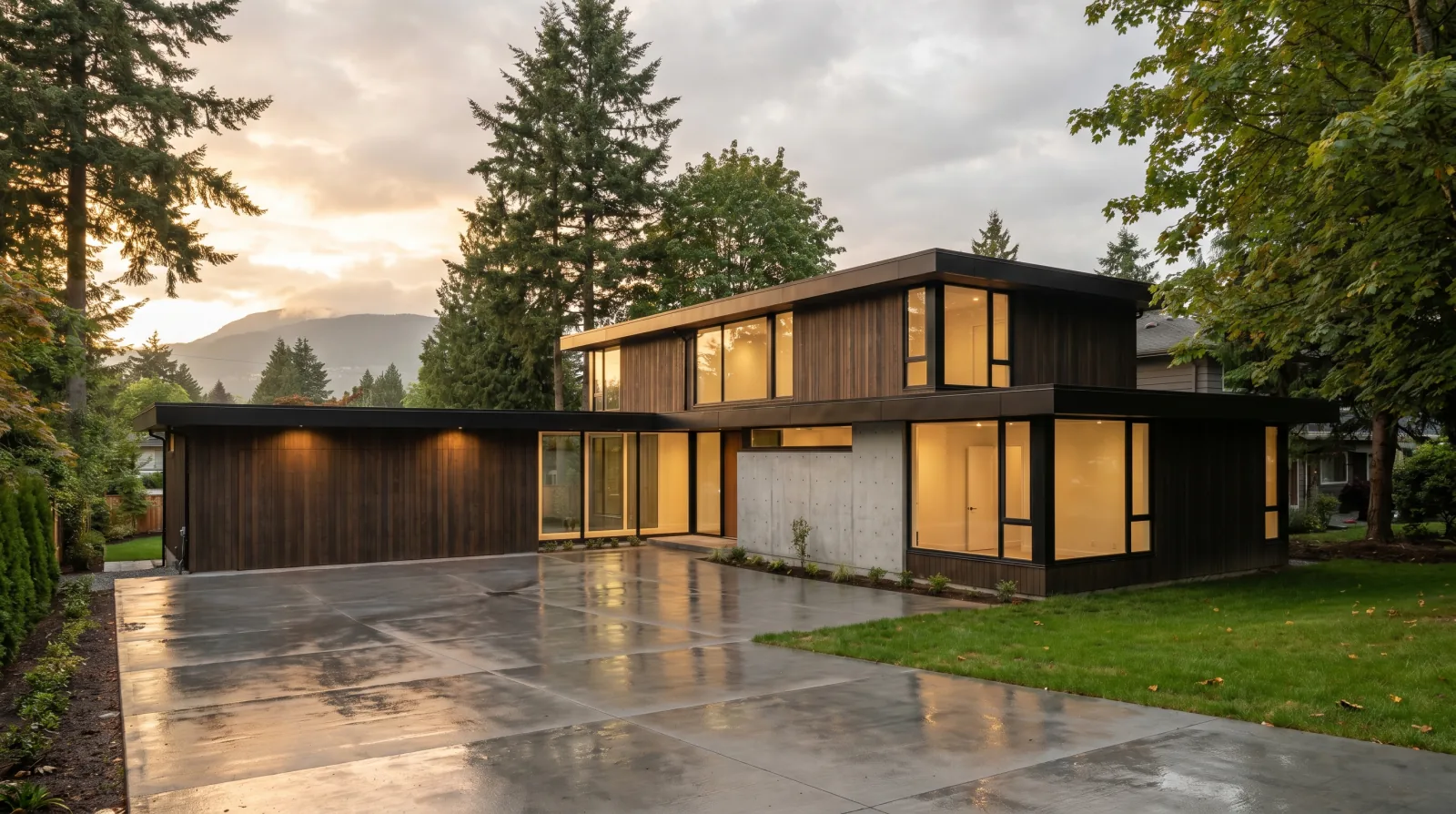
Burnaby has quietly become one of the most active custom-home markets in Greater Vancouver. The city sits on real topography, Capitol Hill rises 203 metres above the inlet, Burnaby Mountain pushes higher still, and Deer Lake sits in a pocket of mature trees that feels closer to a park than a neighbourhood. Every lot is a different problem. We've spent the better part of two decades building and renovating across the city, and we know what it takes to deliver a home that fits the lot, the climate, the city's review process, and the way your family actually lives in it.
Last reviewed September 2026
At a glance
What we do here.
- Ground-up custom homes and teardown rebuilds across every Burnaby neighbourhood
- Two decades of experience navigating the City of Burnaby's permitting, design review and tree bylaw
- Led by a CHBA Master Residential Builder, CHBA's most rigorous residential builder designation
- Senior involvement on every job, from feasibility through hand-over and warranty
Not building new?
Home renovations in Burnaby
Whole-home renovations, additions and second-storey work, plus an honest read on when a rebuild is the better answer.
See renovation work in BurnabyOur approach
Building in Burnaby.
Custom homes built for Burnaby's lots and conditions
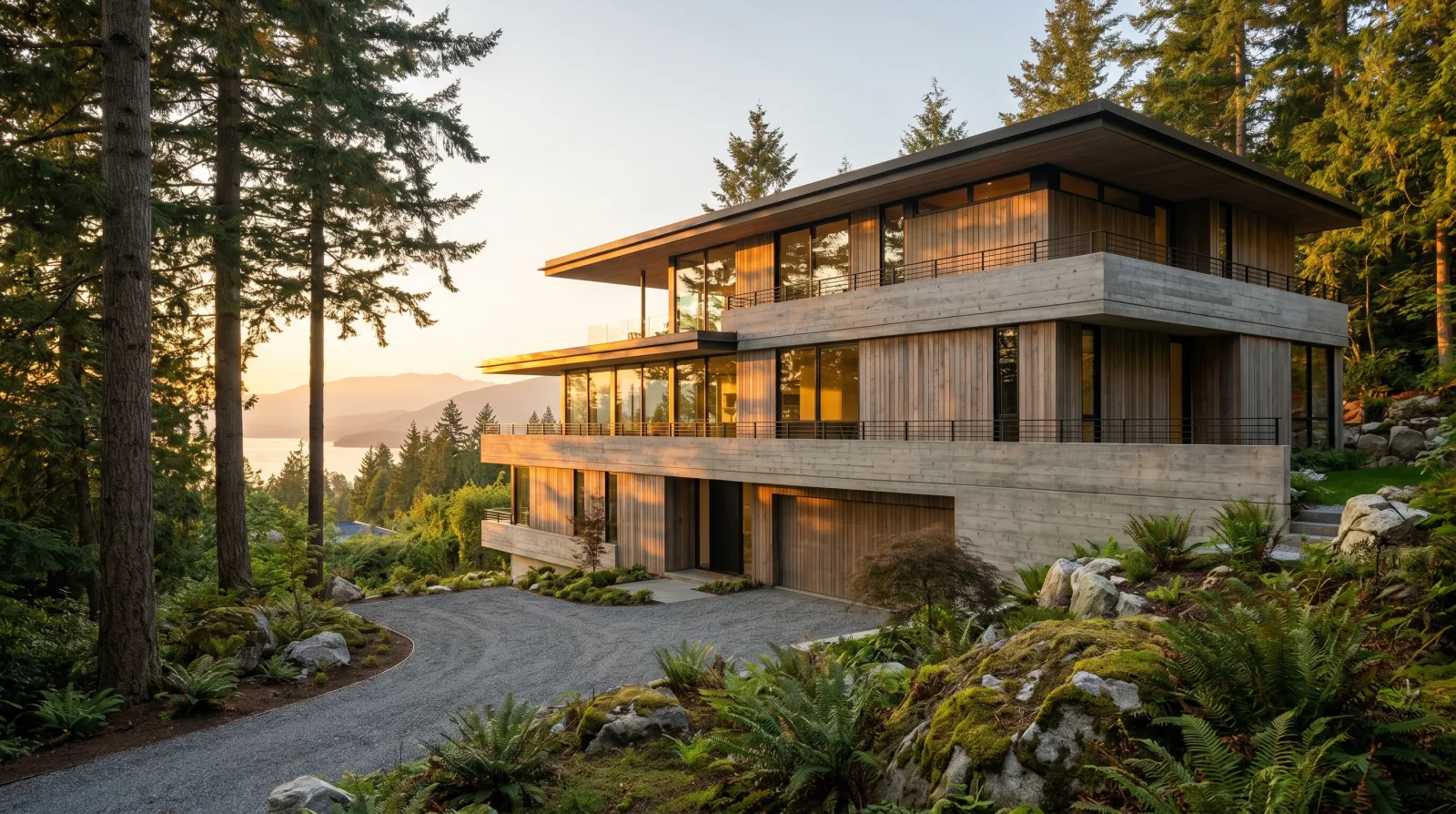
Burnaby is a city of microclimates and stubborn topography. The North Slope falls away to Burrard Inlet with view exposure and inlet wind that demand serious envelope detailing. Capitol Hill climbs 203 metres above sea level, with view lots that pay for themselves only if the structural and drainage work is right. The Government Road / Deer Lake corridor is flatter but heavily treed, protected trees on most of those lots dictate where the footprint can sit before architecture starts. South Slope and Big Bend sit on softer, lower ground with their own drainage realities. None of those conditions are interchangeable, and the design and construction approach has to reflect them.
Our process starts with the lot before the floor plan. Survey, geotechnical, drainage assessment, an arborist walk-through, a careful look at sun and neighbours' overlooks, all of it happens before the architect draws a line. By the time a schematic comes back, the constraints are honest, the budget assumptions are real, and you know what you're working with on this specific Burnaby lot.
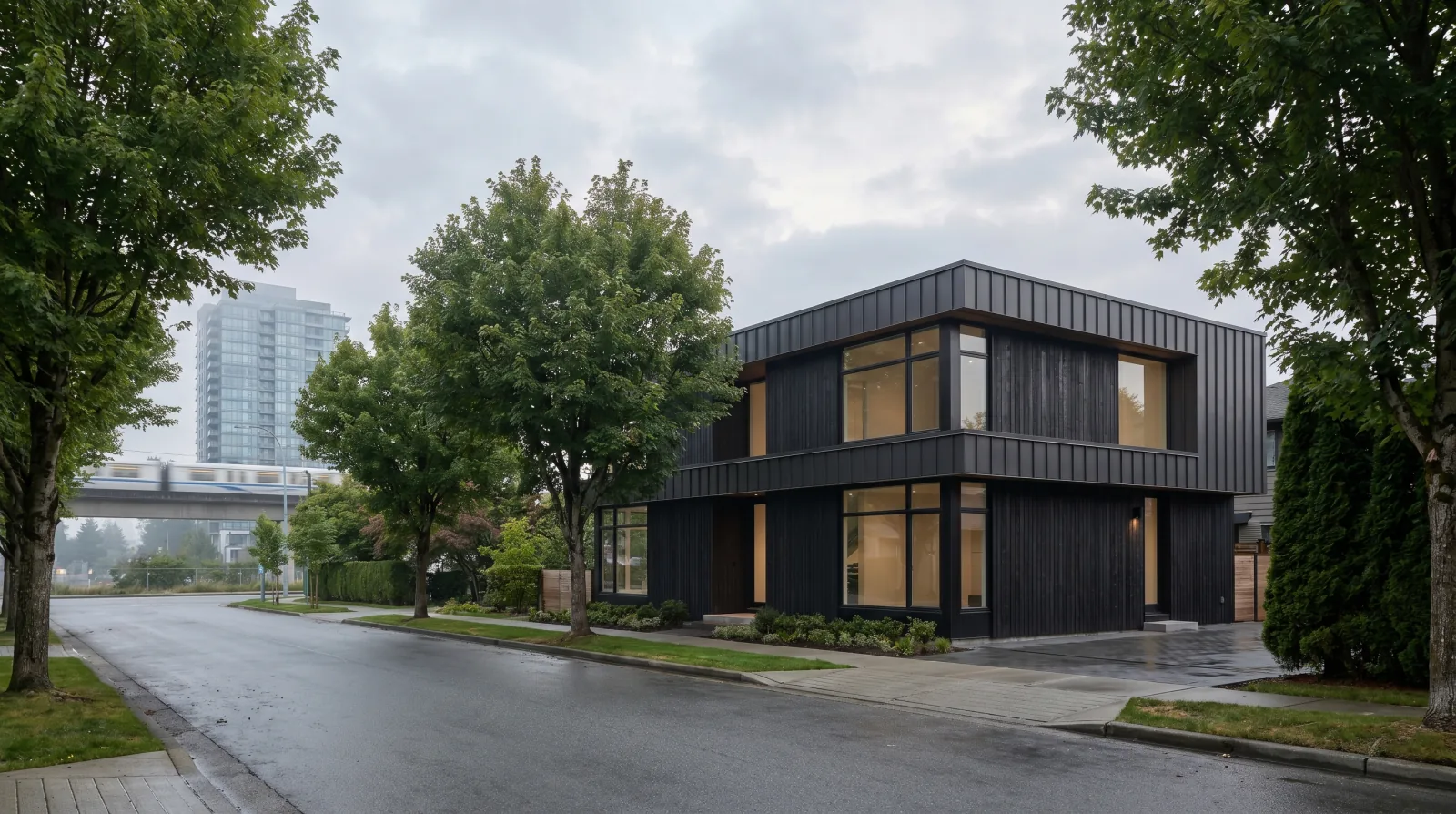
Most of our Burnaby custom-home work falls into one of three patterns: a teardown rebuild on an aging 1950s-70s home where the foundation no longer makes sense to keep, a modern infill on a character street where the new home has to sit comfortably beside what's already there, or a hillside build on a sloped lot where the foundation and retaining work is half the story. Each pattern wants a different sequencing approach, and pretending otherwise is the fastest way to a budget surprise.
Burnaby's housing stock and where custom builds make sense
A meaningful share of Burnaby's single-family stock was built between the 1950s and the late 1970s. Those homes are often structurally sound, post-and-beam, full basements, decent lot setbacks, but tired in every other way. Single-pane glazing, undersized electrical, mechanical systems that were modern when the carpet was new, layouts shaped around a different idea of family life. On many of those lots, the right call is a teardown rebuild rather than a deep renovation, because the math on bringing the existing envelope to current code rarely beats starting from a clean slab.
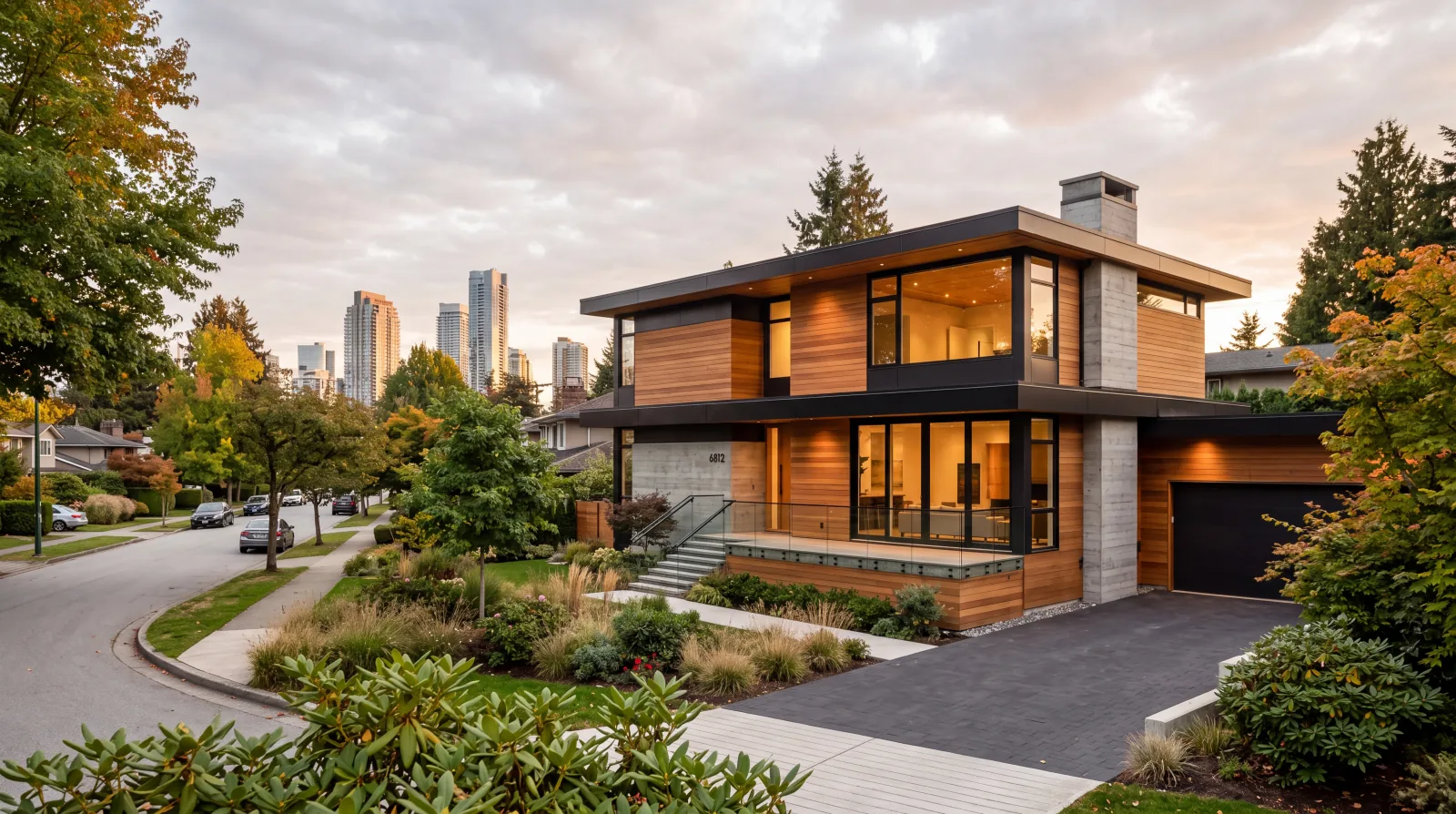
Capitol Hill, Burnaby Heights and the streets ringing Deer Lake have the strongest custom-build pull in 2025 to 26. Those areas offer view premiums or mature character that buyers pay real money for, and the lots are large enough that a thoughtful new home doesn't have to feel jammed in. Brentwood, Metrotown and Edmonds are denser and more transit-oriented, custom builds there exist, but they share their streets with a steady wave of multifamily redevelopment that changes the context.
How Burnaby's permitting reality affects your timeline
The City of Burnaby has one of the more rigorous review processes in the Lower Mainland. Single-family permits typically run twelve to twenty weeks in 2026, and that's only the city's clock, design, structural, geotech, energy modelling, arborist reporting and survey work all happen ahead of submission. Building-permit applications submitted on or after January 1, 2026 are filed exclusively through the city's online My Permits Portal, and any permit issued on or after March 31, 2026 is provided only in digital format, paper applications and paper permits are no longer part of the process, and the digital transition has changed how comments come back and how revisions are handled.
Burnaby's tree bylaw also drives schedule. On a property under development application, every tree 20 cm in diameter or larger is a Protected Tree and triggers a tree-cutting permit process, a certified-arborist tree management plan, and replacement-tree requirements. We bring an arborist into the lot study before architecture begins, because the position of two or three protected trees can move the buildable footprint by metres.
We don't see this review climate as friction. It's part of why finished homes in Burnaby tend to be better-built than in faster-permitting cities. What it means in practice is that timelines need to be planned honestly. We map permitting windows into the schedule from week one, sequence design deliverables to the city's review cadence, and don't promise dates we can't sequence.
BC Energy Step Code and what it changes on a Burnaby build
Burnaby has been on Step 3 of the BC Energy Step Code for Part 9 residential since May 2023, and as of January 2025, new permits also have to meet Zero Carbon EL-4. Step 4 is the next step up under the provincial timeline. What that means for a homeowner is that the envelope detailing, the mechanical sizing, the air-sealing approach and the framing schedule are not optional decisions you can value-engineer back at framing. They're locked in at design.
A Step 3 build with a heat pump, an HRV, continuous exterior insulation and properly air-sealed penetrations performs in a different league than a code-minimum home from a decade ago. The cost shows up in the envelope and mechanical line items, and the payback shows up in monthly bills, comfort, and the value the home holds at resale. We tell every owner the same thing, design for the step requirement honestly the first time, because retrofitting performance into a half-detailed envelope is brutally expensive.
Renovations and additions on Burnaby's older housing stock
Not every Burnaby project wants to be a teardown. Plenty of 1960s and 1970s homes have great structural bones, solid foundations at the right elevation, full-height basements, framing that's still doing its job. For owners who love the lot and the home's underlying character, a deep renovation or addition can deliver most of the experience of a new build without surrendering the home that's there.
The decision between renovate and rebuild is one of the most consequential calls in any project. We walk through it carefully, in dollars and in scope, before architectural drawings get committed. The single biggest factor is usually the foundation: if the existing one is sound and at the right elevation, renovation often pencils. If the slab is wrong, the perimeter is failing, or the basement headroom can't get to current standards without raising the house, a rebuild is usually the more disciplined choice.
Why work with Icon in Burnaby
Icon Projects is a CHBA Master Residential Builder company, a rigorous professional designation issued by the Canadian Home Builders' Association. Every Icon project runs against that standard. We're a small, deliberate team, working on a small number of projects at a time, with the senior people on every job from kickoff through hand-over. We're licensed under BC Housing's mandatory 2-5-10 home warranty regime, so every home we hand over is warranty-backed: two years on labour and materials, five on the building envelope, ten on structural defects.
If you're considering a custom build, teardown rebuild or major renovation in Burnaby, the right next step is a conversation about your lot and your goals. We'll tell you honestly what's possible, what's smart, and where Icon can, and can't, add value. The conversation is free. The honest answer is the part that matters.
What clients say
Built in Burnaby.
"Full transparency from day one. Everything documented."
I'd had a bad experience with a contractor before Icon. I was nervous. From the first meeting Sanj was direct about what the renovation would and wouldn't achieve and why. The PCSA made the planning phase feel safe, everything documented, no ambiguity. The finished renovation is unrecognizable from what we had. It felt like we got a new house without the land cost.
Jennifer K.
North Burnaby · Full Renovation + Addition
Common Questions
Before we begin in Burnaby.
Do you build custom homes in all Burnaby neighbourhoods?+
Yes. We work across Capitol Hill, Burnaby Heights, Brentwood, Metrotown, Deer Lake, Government Road, Buckingham Heights, Edmonds, Highgate, Sperling-Burnaby Lake, Big Bend, Forest Glen, Westridge and the rest of the city. Each neighbourhood has different lot conditions, zoning posture and design opportunities, and we tailor our approach accordingly.
How long does a custom home in Burnaby typically take?+
From signed design contract to keys, most Burnaby custom homes run roughly 14 to 22 months. The city's single-family permit review is typically 12 to 20 weeks on its own. Design, geotech, energy modelling, arborist reporting and survey work happen ahead of that. We give every owner a milestone-by-milestone schedule once design is locked.
What BC Energy Step Code level applies to a Burnaby custom home in 2026?+
Step 3 of the BC Energy Step Code applies to new Part 9 residential permits in Burnaby, single-family homes, duplexes, townhouses. Permits filed in 2025 and later also need to meet Zero Carbon EL-4. Step 4 is expected to come into effect under the provincial timeline; we design every new build with that next step in mind.
Do I need a tree permit for a teardown rebuild in Burnaby?+
Almost always, yes. On any property subject to a development application, every tree 20 cm in diameter or larger counts as a Protected Tree under the Burnaby tree bylaw, and removal requires a tree-cutting permit, an arborist-prepared tree management plan, and replacement plantings. We bring an arborist into the lot study before architecture begins so the buildable footprint is honest.
Can a Burnaby renovation match a new build?+
Sometimes, and sometimes not. If the foundation is sound and at the right elevation, the existing framing is in good shape, and the lot's protected trees still allow the additions you want, a deep renovation can deliver most of the experience of a new build. If the slab is wrong or the basement headroom needs the house raised, a rebuild is usually the more disciplined choice. We walk every owner through that math before drawings start.
Are you a 2-5-10 licensed builder?+
Yes. Icon is licensed under BC Housing's mandatory home warranty regime, two years on labour and materials, five years on the building envelope, ten years on structural defects. Every new home we hand over is warranty-backed and registered.
How much does Burnaby's topography vary between neighbourhoods?+
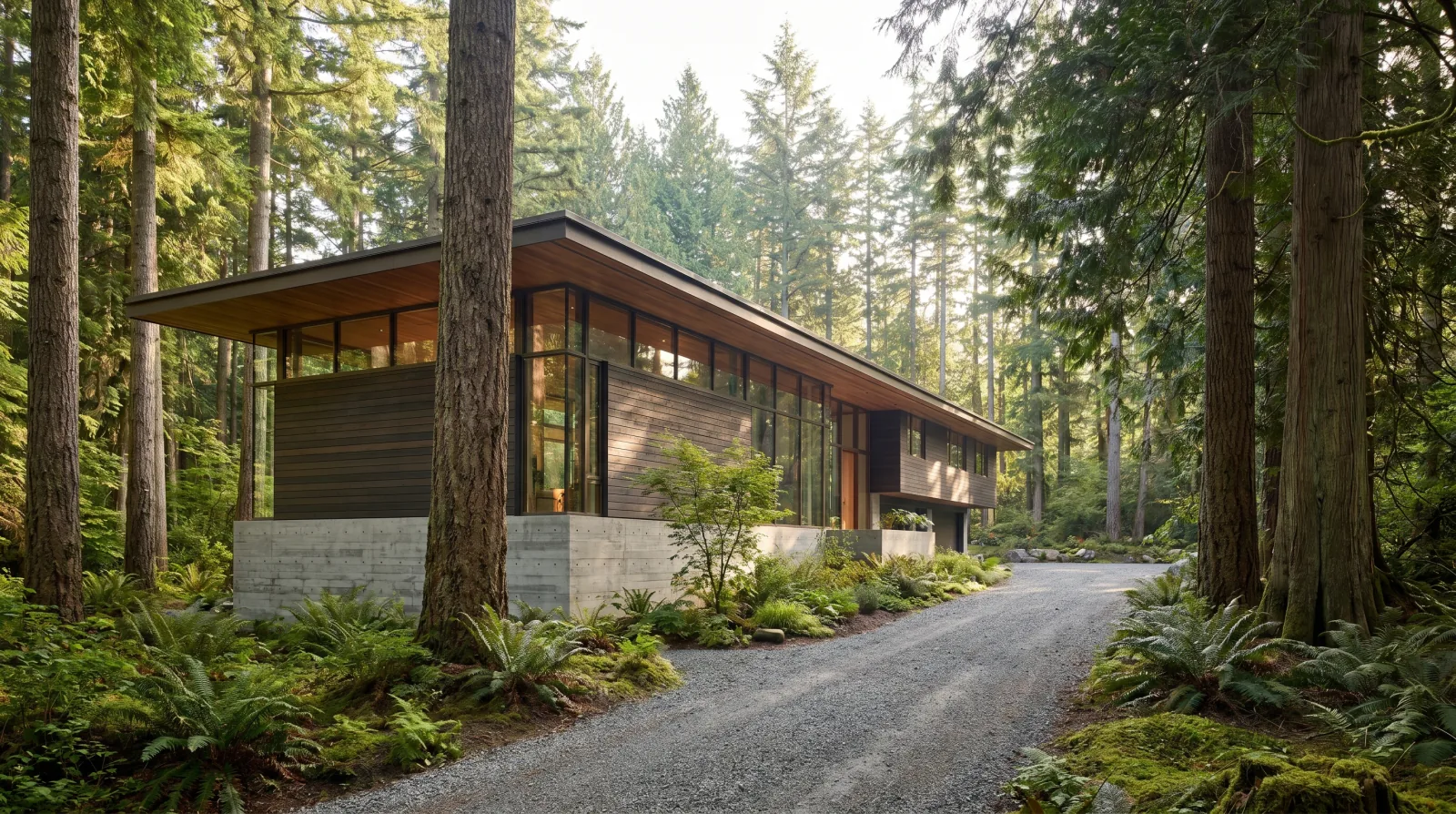
Considerably. Capitol Hill climbs to 203 metres above the inlet, Burnaby Mountain pushes higher still, and pockets like Deer Lake and Government Road sit on flatter, heavily wooded ground that feels closer to parkland than a typical residential grid. That range means the design and construction approach has to be specific to the lot's actual conditions, slope, soils, drainage, tree coverage, rather than a single citywide template.
What's the difference between a teardown rebuild and an infill project in Burnaby?+
A teardown rebuild replaces an aging home whose foundation no longer makes sense to keep, typically a 1950s-70s structure. A modern infill sits on a lot within a character street, designed to sit comfortably beside the existing homes around it rather than dominate them. Both differ from a hillside build, where the foundation and retaining work on a sloped lot is half the project. Each pattern wants a different sequencing approach, and we scope the project according to which one actually applies.
Continue exploring
Other areas we serve.
From the Journal
Further reading on Burnaby.
- What 2026 changes for Burnaby custom-home owners
- The Burnaby custom home permit timeline
- The Burnaby tree bylaw and your custom home
- Burnaby teardown lot evaluation checklist
- How to choose a custom home builder in Burnaby
- Multigenerational home design in Burnaby: what actually works
- Custom home features worth investing in, and a few that aren't
- 30 custom home terms every Burnaby owner should know
- Custom vs spec home in Burnaby: which fits your lot
- BC's 2-5-10 home warranty explained
- Planning kids' bedrooms and flex rooms for 20 years
- Open plan or defined rooms: choosing your main floor
- Our custom home builder Burnaby service, start to finish
Begin
Plan your project in Burnaby.
A short conversation is the fastest way to understand what's possible on your lot, feasibility, schedule, scope, the lot conditions you should be thinking about.