
Renovate, Bathrooms
Bathroom Renovation
Waterproofing first, finishes second.

What is the most important part of a bathroom renovation?
Waterproofing. Tile and fixtures are the visible part of a bathroom renovation, but the underlying cause of most bathroom failures is skipped or inadequate waterproofing and ventilation. Icon Projects installs a continuous waterproof membrane, using systems like Schluter Kerdi, Wedi board, or Laticrete Hydro Ban, behind the tile on every wet-area renovation, with the shower pan sloped and fully bonded and the drain integrated into the membrane rather than punched through it afterward. The BC Building Code also requires mechanical ventilation in every new or substantially renovated bathroom, so we either run new ducting to a properly capped outlet or tie into a whole-home heat-recovery ventilator where one exists. Plumbing and electrical permits are filed before demo, with inspections at rough-in, waterproofing, and final. A single-bathroom renovation typically runs several weeks, and we confirm which other bathroom in the house will be used before starting.
The Approach
How does Icon Projects handle bathroom renovation?
Bathrooms fail in slow motion. Tile cracks where the substrate flexes. Grout darkens where the membrane was skipped. A fan that was undersized for the room slowly delaminates the painted ceiling above the shower. By the time most owners call us about a bathroom renovation, the visible problem is finishes, but the underlying problem is almost always waterproofing, ventilation, or both. On a Burnaby home, where the wet season runs roughly October through April and indoor humidity climbs accordingly, getting the water management right is the part of the job that determines whether the bathroom looks the same in fifteen years or needs to be redone in five.
The Process
What are the steps in Icon Projects' bathroom renovation process?
Every bathroom renovation engagement runs through the same four-stage rhythm, refined over two decades of builds.
- 01
Scope: cosmetic, plumbing reroute, or fixture relocation
Same as kitchens, bathrooms split into three honest scopes. A cosmetic refresh, new vanity, new tile on top of an existing waterproofed substrate, new fixtures in the same locations, is the fastest path. A plumbing reroute, where the toilet stays where it is but the shower moves or a double vanity replaces a single, opens the floor and triggers more inspection work. A full fixture relocation, moving the toilet, converting a tub to a curbless shower, switching from an alcove to a walk-in layout, is structurally a different project, and on older homes with cast-iron drainage it often surfaces stack issues that have to be addressed regardless of whether the owner wanted to.
- 02
Waterproofing, the part that decides longevity
On every wet-area renovation we do, the substrate behind the tile gets a continuous waterproof membrane. Schluter Kerdi, Wedi board, Laticrete Hydro Ban, there are several systems that work, and we pick based on the assembly. The shower pan gets a sloped, fully-bonded membrane installed before tile, with the drain integrated into the membrane, not punched through it afterward. Curbless showers on a wood-framed floor need a recessed pan and structural prep, which has to be planned at framing, not improvised at tile. The BC Building Code requires waterproofing in wet areas; the way the spec gets executed varies by trade, and we have a short list of tile setters who do this work the way we want it done.
- 03
Tile and finish selection, without the dollar conversation
Porcelain or stone, large-format or mosaic, matte or polished, rectified or pillowed edge, the visual choices are endless and the durability choices matter more than the visual ones. Floor tile needs a slip rating that's appropriate for a wet area (we look at the DCOF spec, not just the look). Stone needs sealing and a maintenance conversation. Grout colour reads completely differently in a bright north-facing bathroom in Burnaby Heights than it does in a basement bath with two pot lights. We bring samples to the actual room before signing off. Costs vary widely by selection, we won't quote tile by the square foot in a service-page paragraph, but we'll walk you through the levers honestly.
- 04
Ventilation, fan, HRV, and BC code
Every new or substantially renovated bathroom in BC needs mechanical ventilation; the BC Building Code requires a minimum exhaust capacity that depends on the building's ventilation strategy. On older homes with bath fans dumping into the attic, still a common find in Burnaby, we either run new ducting all the way to a properly capped roof or wall outlet, or we tie the bathroom into a whole-home HRV (heat-recovery ventilator) if one's installed. HRVs are quieter, run more continuously, and recover heat from the exhaust stream, on a Step Code build they're often the cleaner answer. On a renovation of a single bathroom, a properly-sized standalone fan, vented correctly, is usually fine. The wrong answer is a fan that pretends to vent but actually pushes moisture into the joist bays.
- 05
Permits, inspections and the order of operations
Plumbing and electrical permits get filed before demo. Inspections happen at rough-in (before the walls close), at waterproofing if the inspector asks to see the membrane, and at final after the fixtures are in. We coordinate the inspector visits so the tile setter isn't waiting two days to start. The whole sequence, demo, rough-in, inspection, waterproofing, tile, vanity, plumbing trim, electrical trim, paint, final inspection, runs cleanly when the permit is in place and the trade schedule has been thought through. On a single-bathroom reno, the build is typically several weeks; the part of that time the bathroom is unusable is most of it, so we'll always ask which other bathroom in the house you're planning to use before we start.
From the Journal
Further reading on bathroom renovation.
Common Questions
Frequently asked questions about bathroom renovation.
Waterproofing. Tile and fixtures are the visible part of a bathroom renovation, but the underlying cause of most bathroom failures is skipped or inadequate waterproofing and ventilation. Every wet-area renovation we do gets a continuous waterproof membrane behind the tile, installed before the finish work, because this is what determines whether the bathroom lasts fifteen years or needs redoing in five.
Several proven systems exist, Schluter Kerdi, Wedi board, and Laticrete Hydro Ban among them, and we select based on the specific wall or shower assembly. The shower pan gets a sloped, fully-bonded membrane installed before tile, with the drain integrated into the membrane rather than punched through it afterward. The BC Building Code requires waterproofing in wet areas; execution quality varies by trade, which is why we work with a short list of tile setters who install it the way we require.
Yes, though it's a bigger structural undertaking than a cosmetic swap. A curbless shower on a wood-framed floor needs a recessed pan and structural prep that has to be planned at the framing stage, not improvised later during tile work. This type of fixture relocation also frequently surfaces plumbing stack issues on older homes with cast-iron drainage, which need to be addressed as part of the project.
Yes. Every new or substantially renovated bathroom in BC needs mechanical ventilation, with the BC Building Code specifying a minimum exhaust capacity based on the home's ventilation strategy. On older Burnaby homes with a fan dumping moisture into the attic, a common find, we either run new ducting to a properly capped outlet or tie the bathroom into a whole-home HRV where one exists.
A single-bathroom renovation typically runs several weeks, covering demo, rough-in, inspection, waterproofing, tile, vanity, plumbing and electrical trim, paint, and final inspection. The bathroom is unusable for most of that window, so we always confirm which other bathroom in the house will be used during the build before starting.
Plumbing and electrical permits are filed before demo begins on any bathroom renovation involving fixture moves or new circuits. Inspections happen at rough-in before the walls close, at waterproofing if the inspector requests to see the membrane, and at final once fixtures are installed. We coordinate inspection timing so trades aren't left waiting on-site.
Slip resistance is the property that matters most for safety in a wet area, and we check the DCOF (dynamic coefficient of friction) rating rather than selecting tile on looks alone. Beyond slip rating, porcelain generally requires less maintenance than natural stone, which needs sealing and ongoing care. We bring samples into the actual room before finalizing a selection, since lighting changes how a tile or grout colour reads.
Generally yes, because relocating fixtures opens the floor, triggers additional plumbing and electrical permits, and on older homes can surface drainage stack issues that need to be resolved regardless of the original renovation goal. A cosmetic refresh that keeps fixtures in their existing locations is the fastest and least disruptive scope, while a full relocation is structurally closer to a different project.
Continue Exploring
Other services.

Vision & Permitting
Planning
Every build starts with clarity. We translate intent into permit-ready drawings, navigating zoning, feasibility and budgeting before a single shovel touches the ground.
Learn More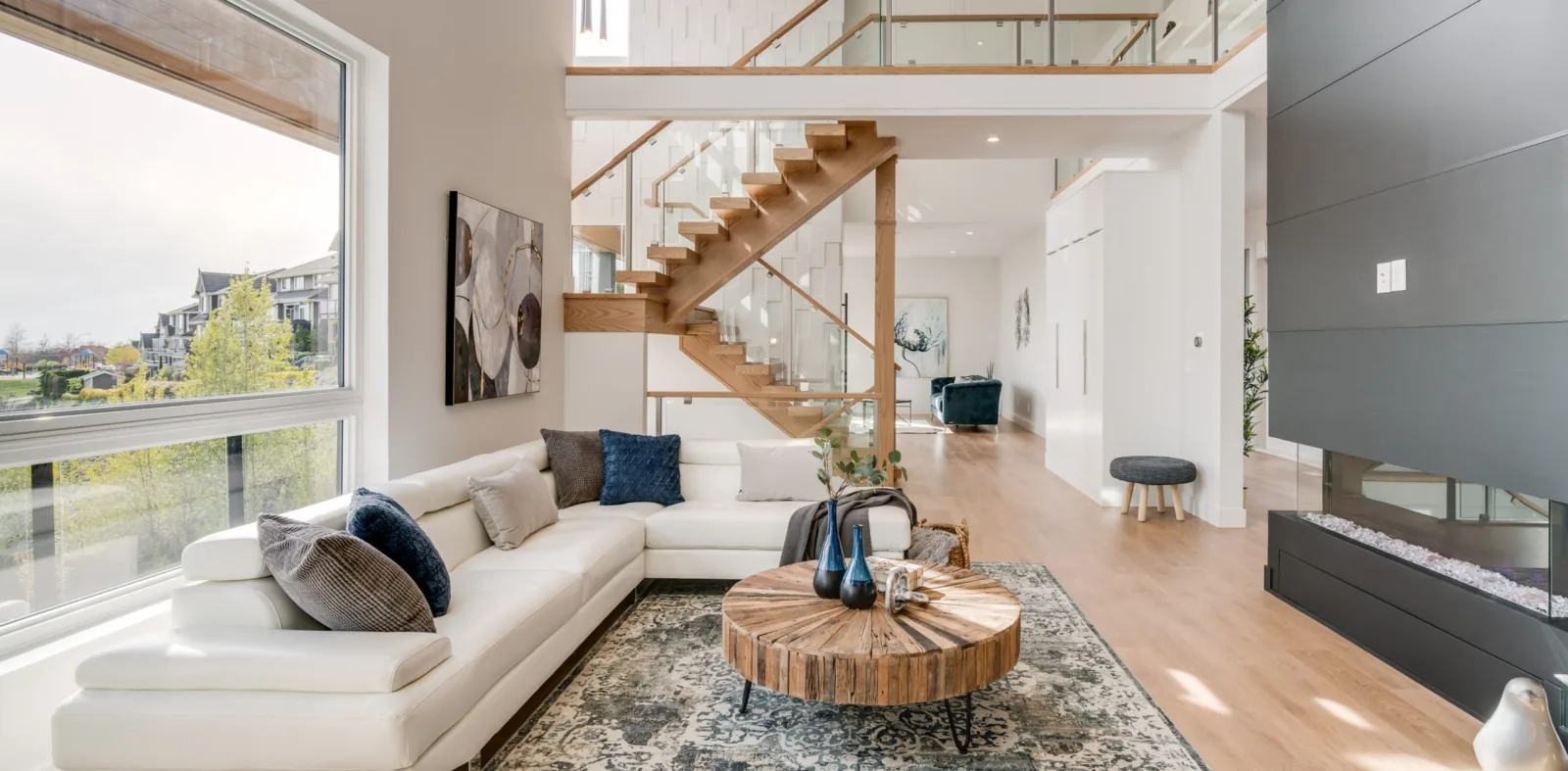
Bespoke Builds
Custom Homes
From foundation to finishing carpentry, homes designed and built around how you actually live, made with materials chosen to age beautifully.
Learn More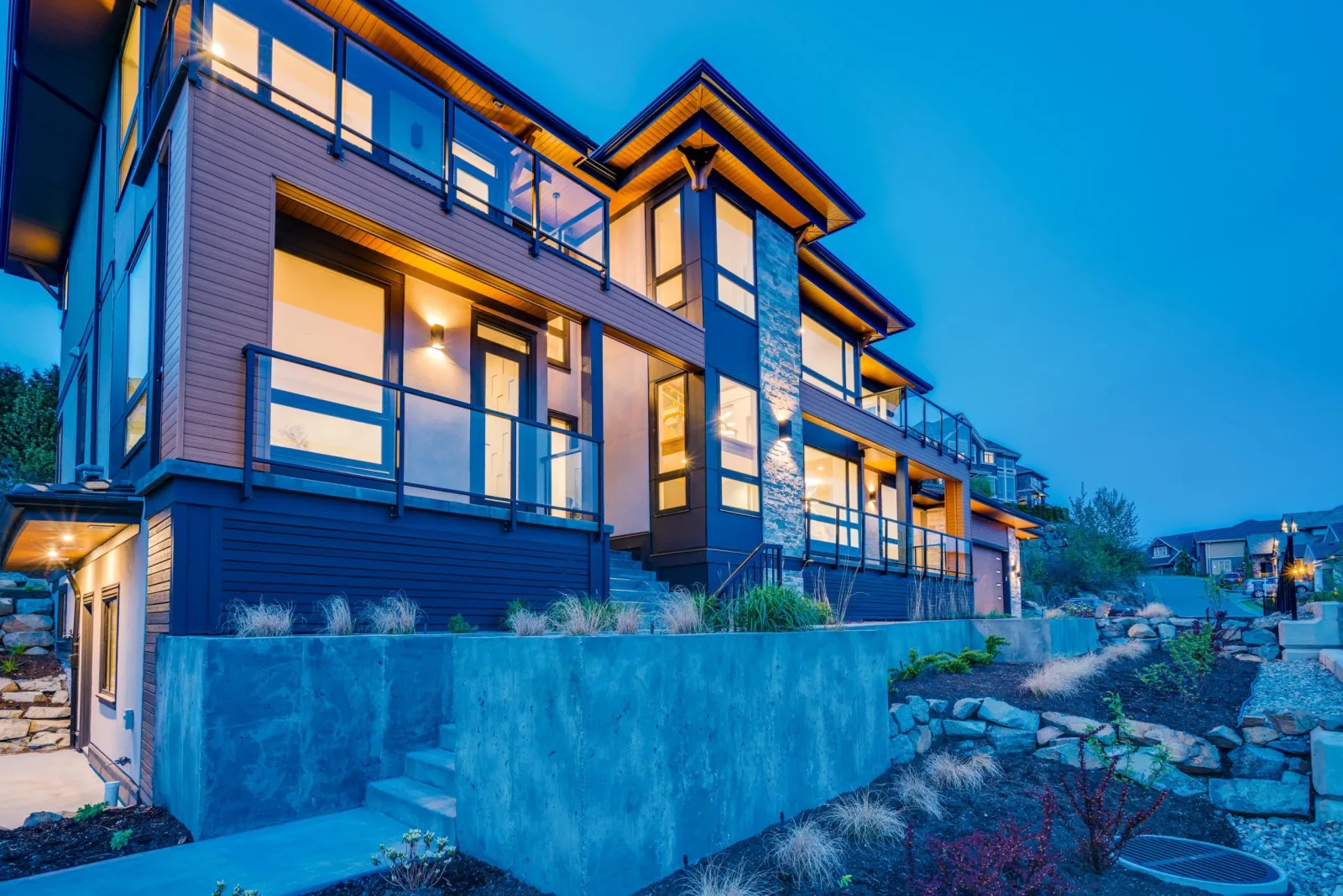
Density, Done Right
Multiplex Construction
Whether for family, tenants or future income, we deliver multiplex projects from rezoning through occupancy with the same craft we bring to single homes.
Learn More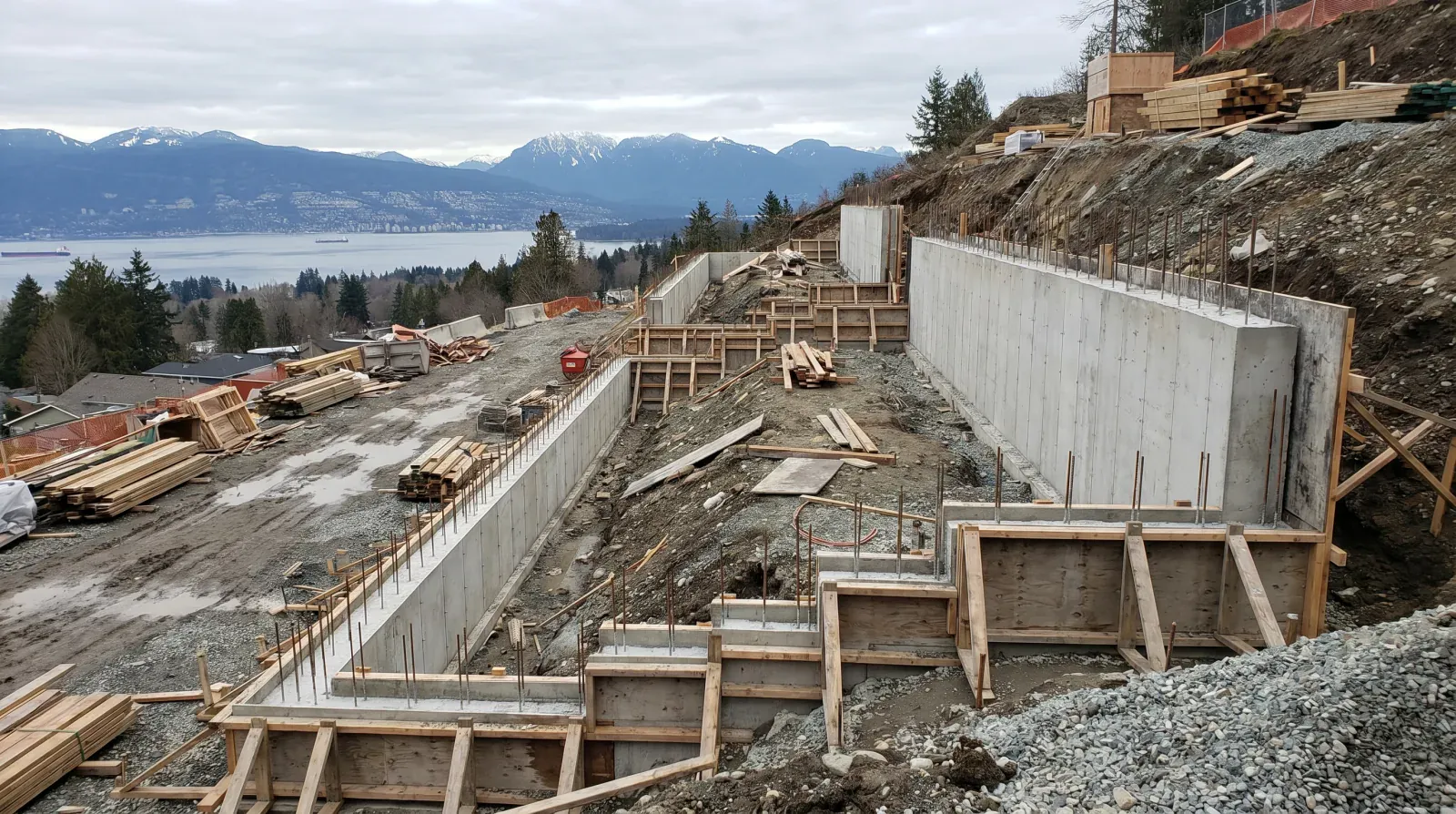
Slope, Soils & Views
Hillside Construction
Stepped foundations, geotechnical-driven retaining walls, hillside drainage, view-corridor bylaws, Burnaby's slope lots demand a builder with two decades of hillside experience. That's what we bring.
Learn More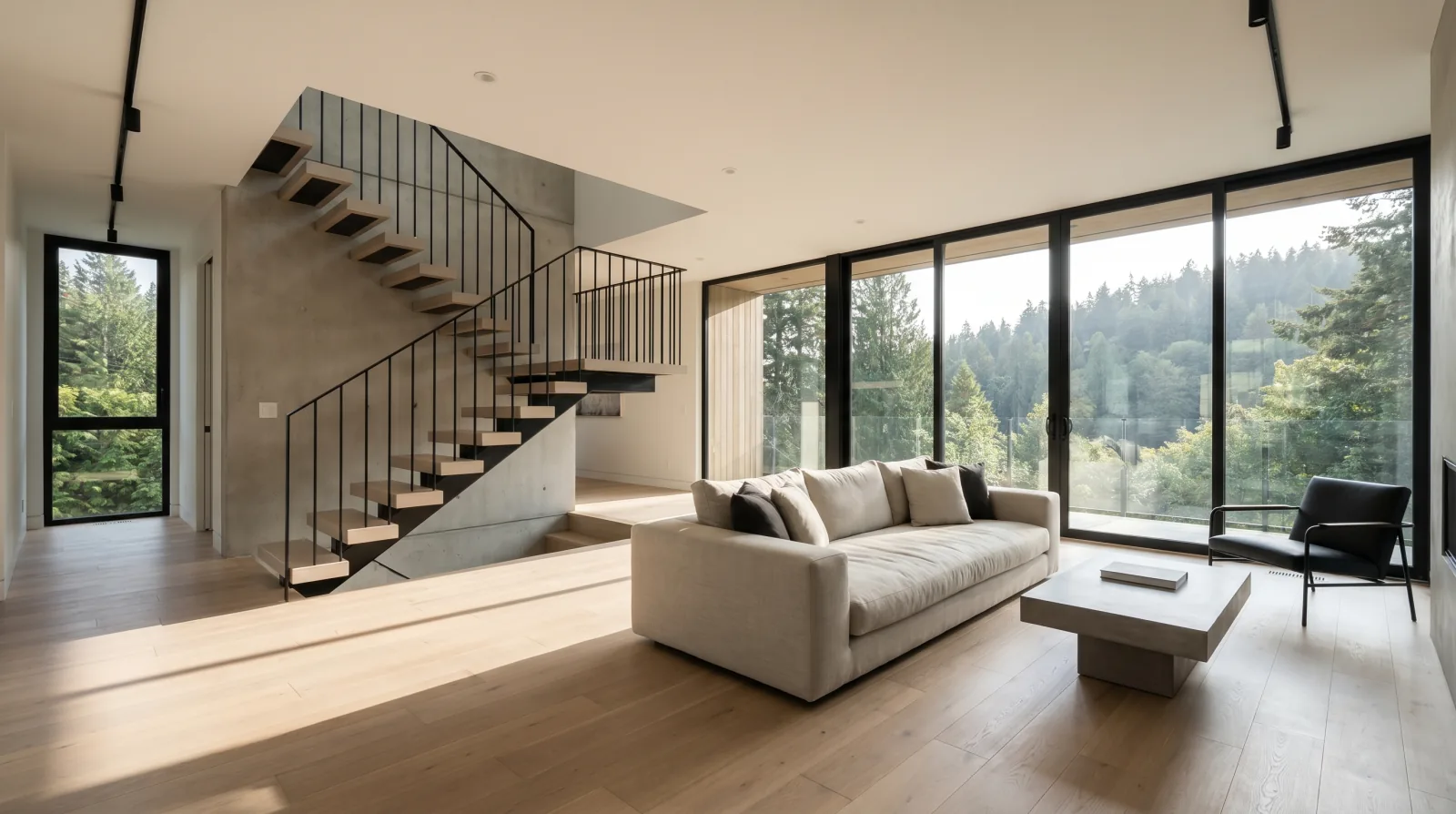
Renovate, Add or Rebuild
Whole-Home Renovation
Major renovations sit on a spectrum from cosmetic refresh to full structural overhaul. We help you find the right point on that spectrum, then build it.
Learn More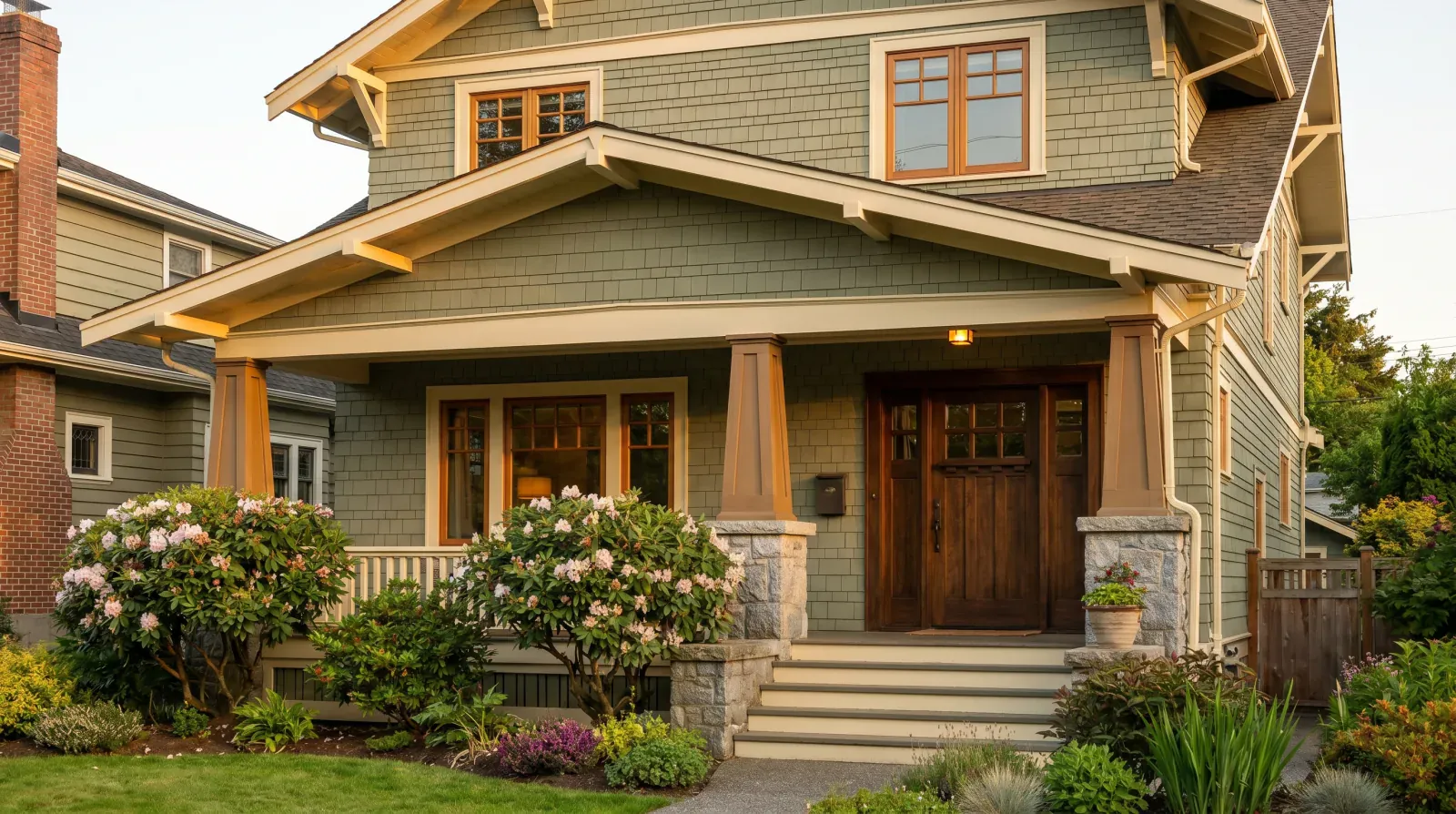
Character, Preserved
Heritage Restoration
Original siding profiles, salvaged fir, restored windows, sympathetic additions, heritage and character home restoration done at builder pace, not museum pace.
Learn More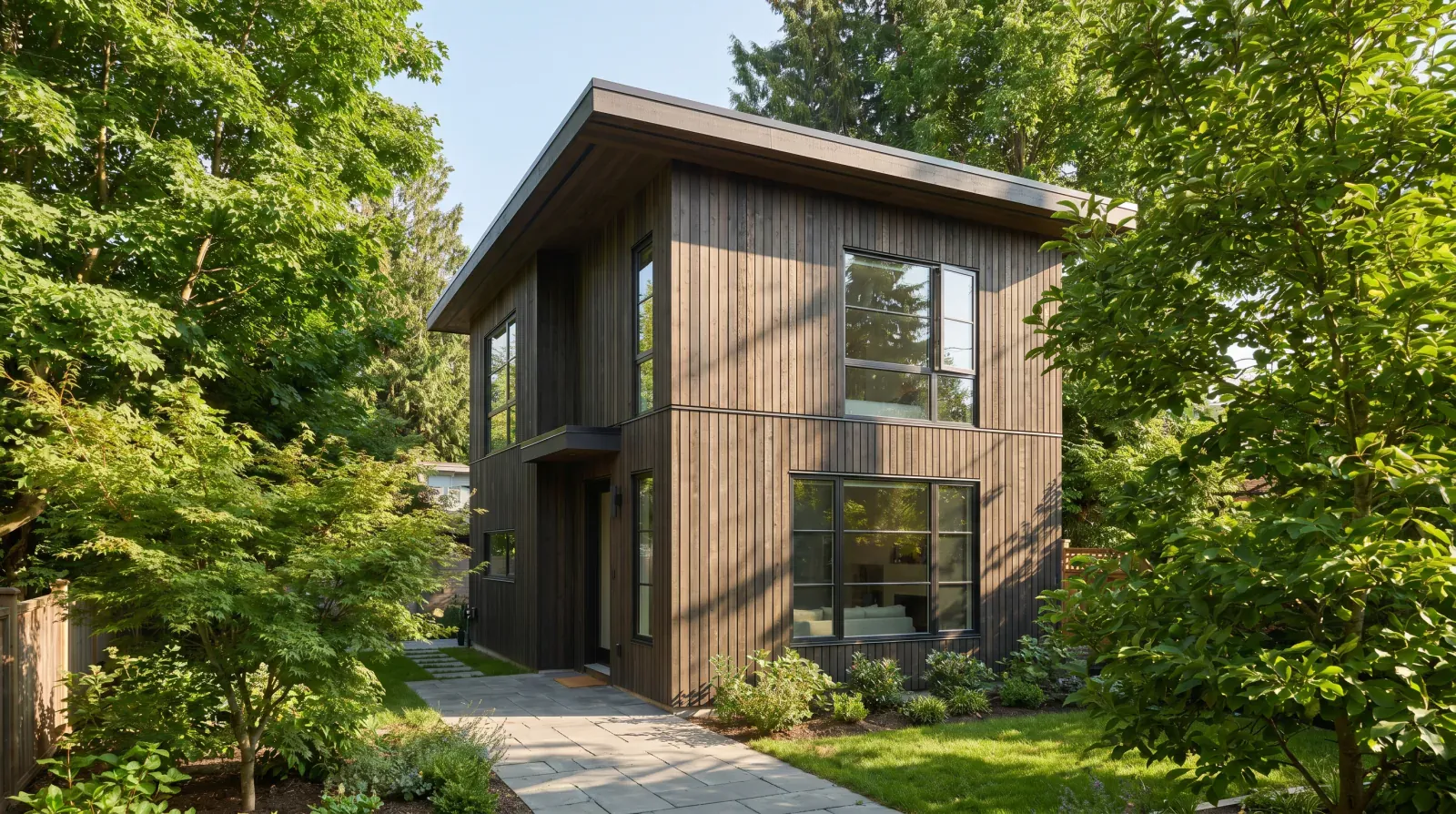
Secondary Dwellings, Done Right
Laneway & Coach Houses
Coach houses and laneway homes built with the same care as the main house, proper envelope, real kitchens, proper sound and fire separation between buildings.
Learn More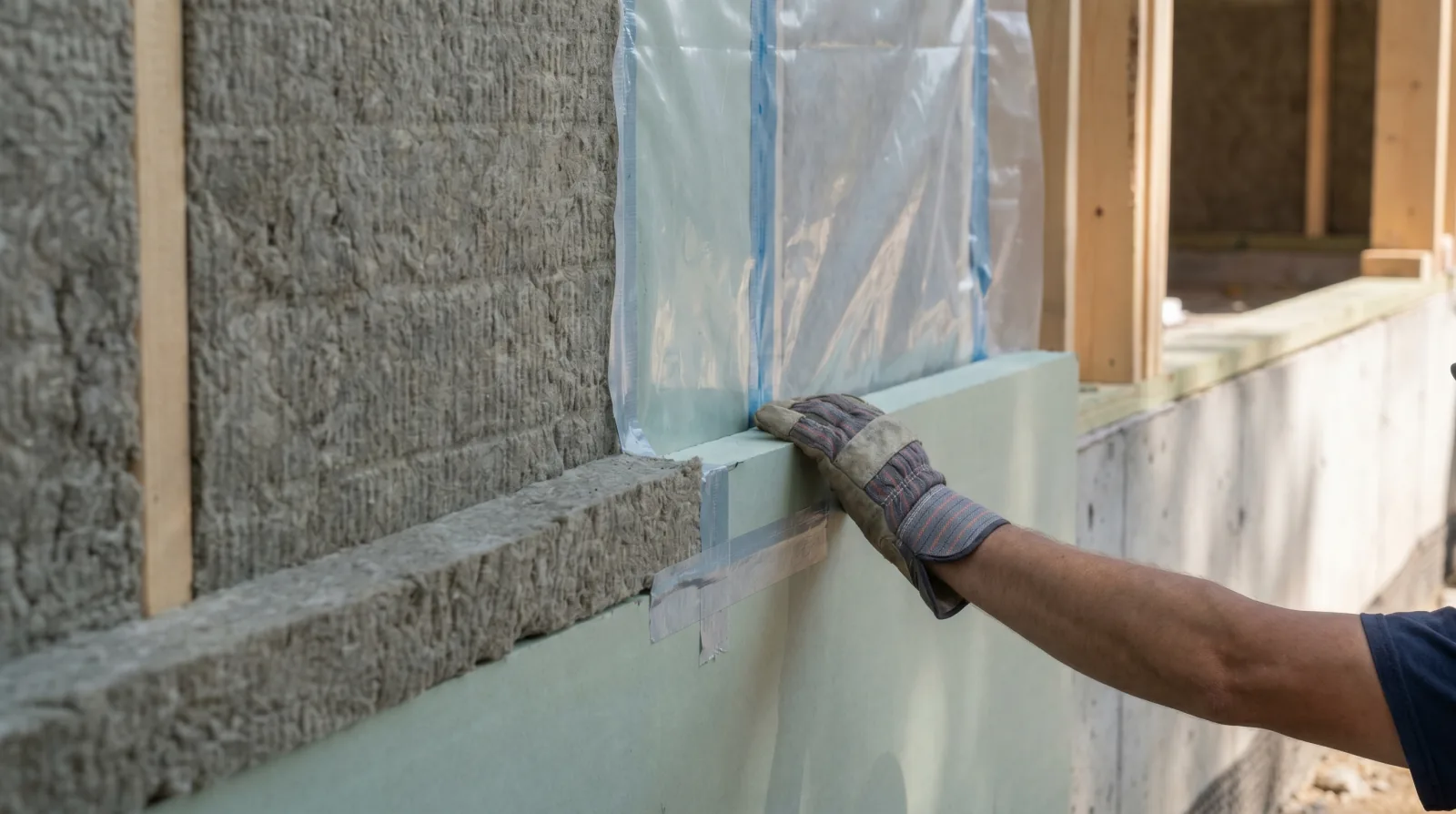
Highest-Performance Envelope
Passive House & Step 5
Step 5 envelopes, blower-door targets under 1.0 ACH₅₀, mineral-wool exteriors, heat-pump mechanical, HRV/ERV, high-performance homes built to certify, not just claim.
Learn More
Renovate, Kitchens
Kitchen Renovation
Refresh, reconfigure, or take walls down, we scope kitchen renovations honestly, then sequence them so you're not living without a sink longer than you have to.
Learn More
Renovate, Basements
Basement Renovation
Dampproofing, egress, mechanical, and an insulation strategy that actually works on a Burnaby slab. The cosmetic part is the easy part.
Learn More
Renovate, Add Space
Additions
Over-builds, rear extensions, second-storey adds, additions only work when the connection between new and existing is engineered, not improvised.
Learn More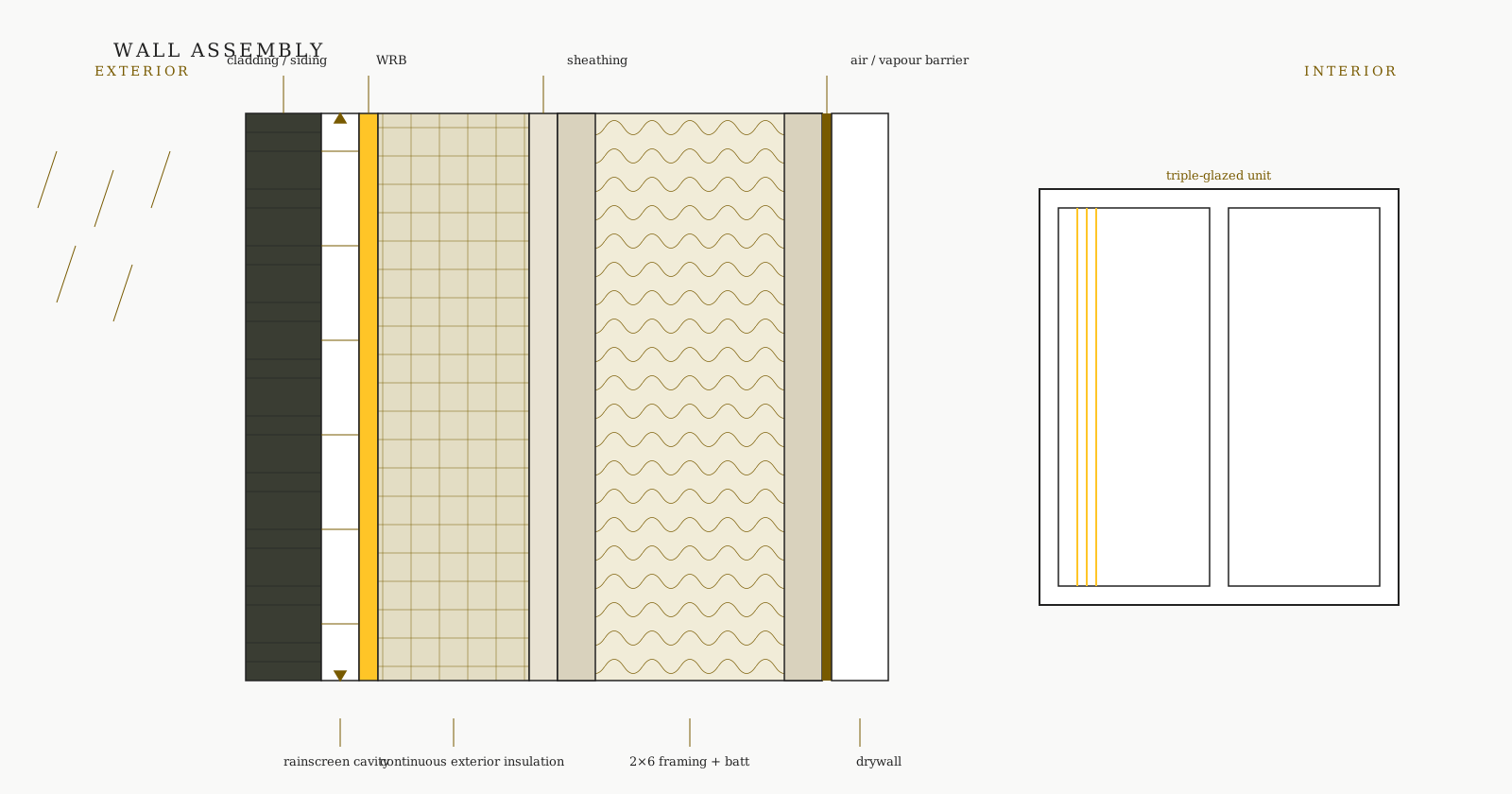
Renovate, Envelope
Exterior Envelope Renovation
Re-clad, retrofit a rainscreen, upgrade insulation, replace windows, envelope work is where most older Burnaby homes get a generation of life back.
Learn More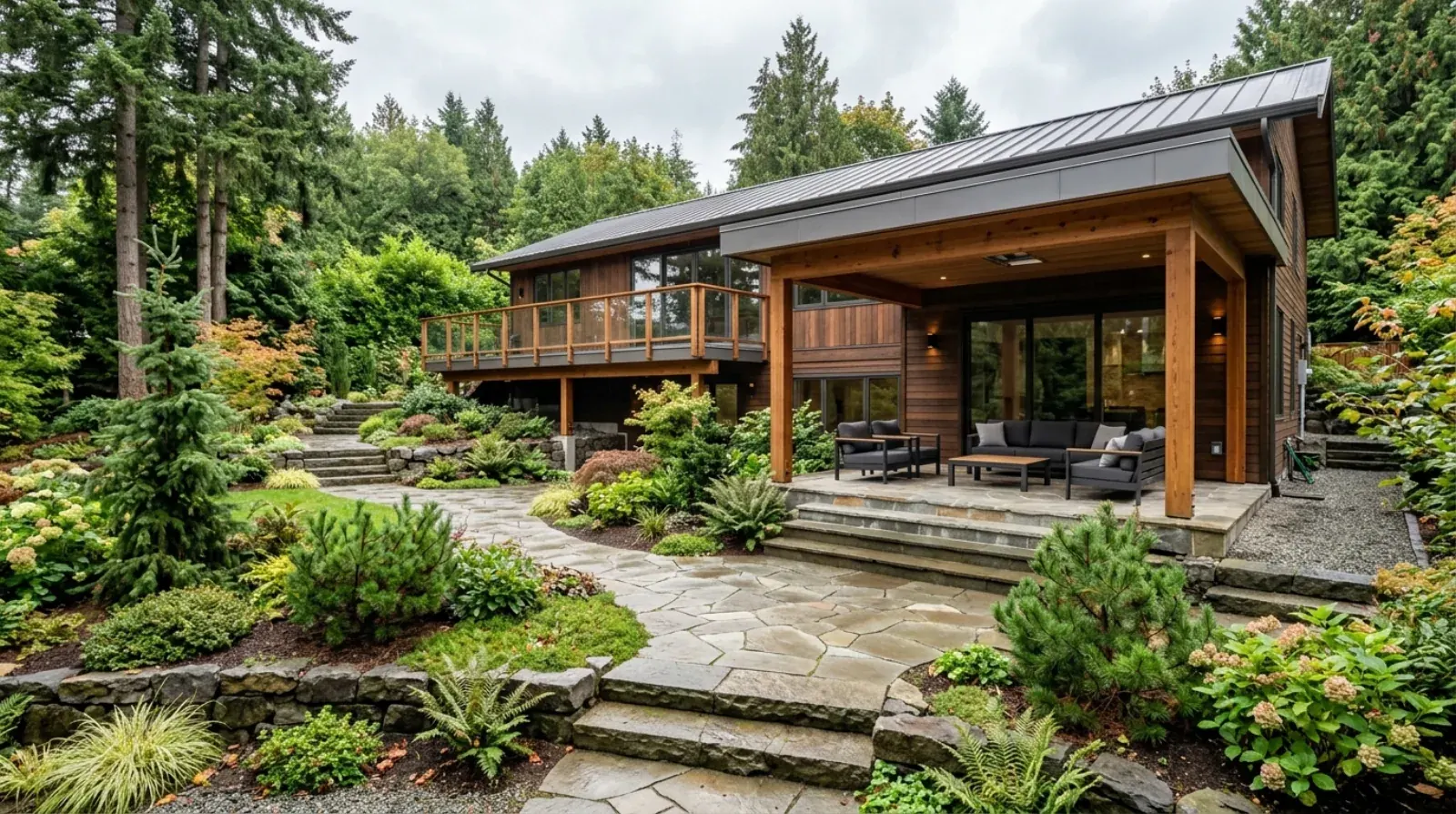
Decks, Grade Change & Privacy
Outdoor Living & Landscape
Decks, retaining walls, fencing, pools, and landscape lighting, planned alongside the house's own site plan and electrical rough-in, not added after the fact.
Learn MoreBegin
Scope a bathroom renovation
A short conversation is the fastest way to understand whether Icon is the right partner for your project.