
Highest-Performance Envelope
Passive House & Step 5
BC Step Code 5 and Passive House, built to actually perform.
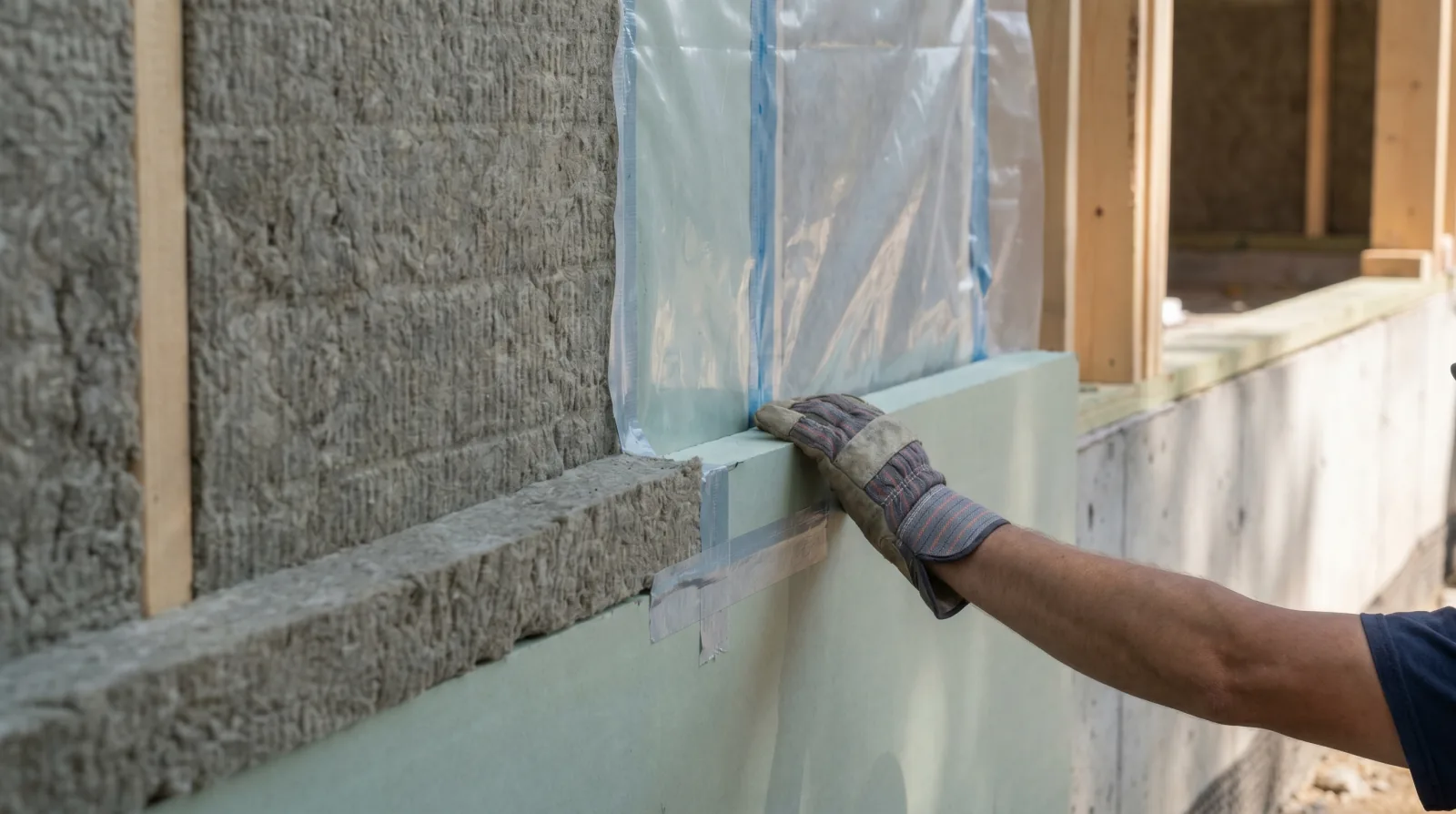
What is the difference between BC Step Code 5 and Passive House?
Step 5 is the top tier of BC's Energy Step Code, a provincial performance path requiring roughly a 60% improvement over baseline thermal energy demand and an airtightness target of 1.0 air changes per hour at 50 pascals (ACH₅₀) for detached homes. Passive House is a separate international certification with stricter targets: 0.6 ACH₅₀ airtightness plus per-square-metre energy demand caps, verified through PHPP modelling and third-party certification via the Passive House Institute or PHIUS. Icon Projects builds to either standard using continuous exterior mineral-wool or rigid-foam insulation, triple-glazed windows, cold-climate air-source heat pumps, and mandatory heat-recovery or energy-recovery ventilation. We run a midpoint blower-door test at insulation rough-in, before drywall closes the walls, because catching air leaks at that stage takes hours rather than the days it takes to fix them after the final test.
The Approach
How does Icon Projects handle passive house & step 5?
BC's Energy Step Code is a phased path toward net-zero-ready construction, with Step 5 sitting at the top of the residential ladder. Passive House is the international certification that pushes airtightness, envelope and ventilation even further. Both demand a different way of building, not just better insulation, but tighter detailing, smarter mechanical, and a discipline on site that catches small mistakes before they show up on a blower-door test. It's the part of the trade we find most interesting, because there's nowhere to hide.
The Process
What are the steps in Icon Projects' passive house & step 5 process?
Every passive house & step 5 engagement runs through the same four-stage rhythm, refined over two decades of builds.
- 01
Step Code targets, in plain language
Step 5 of the BC Energy Step Code requires roughly a 60% improvement over baseline thermal energy demand and an airtightness target of 1.0 air changes per hour at 50 pascals (ACH₅₀) for detached homes, a meaningful jump from Step 3, which most Burnaby builds default to. Passive House goes further: 0.6 ACH₅₀, plus per-square-metre energy demand caps. We walk you through which target makes sense for your project, your lot orientation, and your long-term goals before locking in the energy modelling.
- 02
Envelope: assemblies and R-values that hit
Hitting Step 5 on a Burnaby lot generally means continuous exterior insulation, typically 4 to 6 inches of mineral wool or rigid foam outboard of the sheathing, combined with dense-pack cellulose or batt in the cavities. Effective R-values land around R-30 walls and R-50+ roofs, depending on the assembly. Triple-glazed windows with insulated frames, careful thermal-bridge detailing at slab edges and balconies, and sub-slab insulation under heated floors. The assemblies aren't exotic; the discipline is.
- 03
Airtightness: tape, membranes, and the blower door
Airtightness is where most Step 5 builds either succeed or quietly fail. We detail a continuous air barrier, usually a self-adhered membrane or taped sheathing, and we run a midpoint blower-door test at insulation rough-in, before drywall closes the walls. Finding leaks at that stage is hours of work; finding them at final is days. The final test has to pass before occupancy, and we treat the midpoint number as the real deadline.
- 04
Mechanical: heat pumps and balanced ventilation
An airtight envelope changes how the house breathes. Heat-recovery ventilation (HRV) or energy-recovery ventilation (ERV) is mandatory at this performance level, sized and balanced room-by-room. For heating and cooling, we default to cold-climate air-source heat pumps, ducted or ductless depending on layout, with electric backup. The combustion appliances most older homes used (gas furnaces, gas water heaters) come out of the design entirely. Hot water is heat-pump as well.
- 05
Solar orientation, glazing and overheating
A Step 5 home in Burnaby with too much south or west glazing will overheat in summer, the envelope is too good to dump the gain passively. We work with the architect on overhang depth, exterior shading, and glazing distribution so the home performs in August, not just February. On Capitol Hill or Westridge view lots this gets interesting; the view drives the glass and the glass drives the cooling load. The energy model surfaces the trade-off.
- 06
Certification, modelling and what gets handed over
Step 5 requires a registered energy advisor running EnerGuide modelling and confirming the as-built numbers. Passive House certification requires PHPP modelling and third-party verification through the Passive House Institute or PHIUS. Both produce an as-built energy report that becomes part of your warranty package and your resale story. We run the modelling early, not as a permit-stage afterthought, because the assemblies and mechanical have to be designed against the model, not justified to it after the fact.
From the Journal
Further reading on passive house & step 5.
Common Questions
Frequently asked questions about passive house & step 5.
Step 5 is the top tier of BC's Energy Step Code, a provincial performance path requiring roughly a 60% improvement over baseline thermal energy demand and an airtightness target of 1.0 air changes per hour at 50 pascals (ACH₅₀) for detached homes. Passive House is an international certification with its own, stricter targets, 0.6 ACH₅₀ airtightness plus per-square-metre energy demand caps, verified through PHPP modelling and third-party certification via the Passive House Institute or PHIUS. A home can hit Step 5 without pursuing Passive House certification.
Cost depends on the specific assemblies, glazing, and mechanical systems chosen, and varies by project, so we don't quote a general premium without seeing the design. What we can say is that the envelope and mechanical upgrades, continuous exterior insulation, triple glazing where used, heat-pump mechanical, and HRV or ERV ventilation, are the main cost drivers, and we walk clients through those trade-offs during design rather than after pricing is locked.
A blower-door test measures a home's airtightness in air changes per hour at 50 pascals (ACH₅₀). We run a midpoint test at insulation rough-in, before drywall closes the walls, because finding air leaks at that stage takes hours to fix. Finding the same leaks at the final test, which must pass before occupancy, can take days and involves opening finished surfaces.
No. At this performance level, the mechanical strategy is built around cold-climate air-source heat pumps for heating and cooling, with electric backup, and heat-pump water heating. Combustion appliances like gas furnaces and gas water heaters are removed from the design entirely, both because of the airtightness requirements and because they don't align with the energy targets these standards require.
An airtight envelope stops the uncontrolled air leakage that older homes rely on for fresh air exchange, so heat-recovery ventilation (HRV) or energy-recovery ventilation (ERV) becomes mandatory rather than optional. The system is sized and balanced room-by-room to bring in fresh air and recover heat from the exhaust stream, which is why airtightness and ventilation design have to be planned together, not separately.
Yes, and it's a real design risk on view lots. A high-performance envelope holds heat gain in rather than losing it passively the way a leakier home would, so a home with too much south- or west-facing glazing can overheat in summer even with excellent winter performance. We work with the architect on overhang depth, exterior shading, and glazing distribution, and the energy model surfaces this trade-off before construction, particularly on Capitol Hill or Westridge lots where view demand drives glass area.
Step 5 compliance is confirmed by a registered energy advisor running EnerGuide modelling and verifying the as-built numbers against the target. Passive House certification requires PHPP modelling plus third-party verification through the Passive House Institute or PHIUS. Both produce a documented as-built energy report, which becomes part of the home's warranty package and a factor in its resale story.
No, the right target depends on the client's goals, lot orientation, and budget. We walk through which Step Code level or whether Passive House certification makes sense for a specific project before locking in the energy modelling, since these targets change the wall assemblies, glazing, and mechanical strategy compared to a standard-code build.
Continue Exploring
Other services.

Vision & Permitting
Planning
Every build starts with clarity. We translate intent into permit-ready drawings, navigating zoning, feasibility and budgeting before a single shovel touches the ground.
Learn More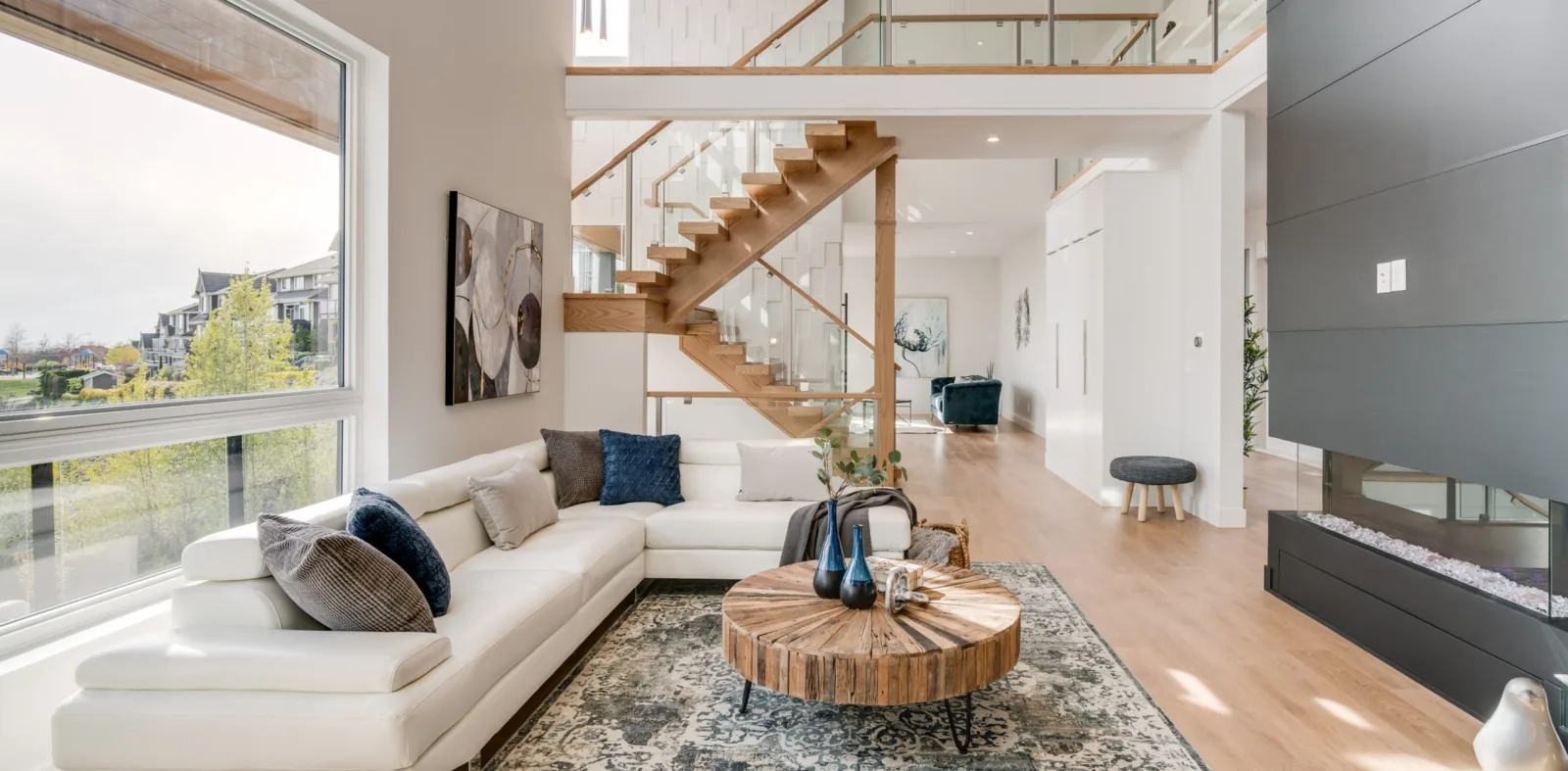
Bespoke Builds
Custom Homes
From foundation to finishing carpentry, homes designed and built around how you actually live, made with materials chosen to age beautifully.
Learn More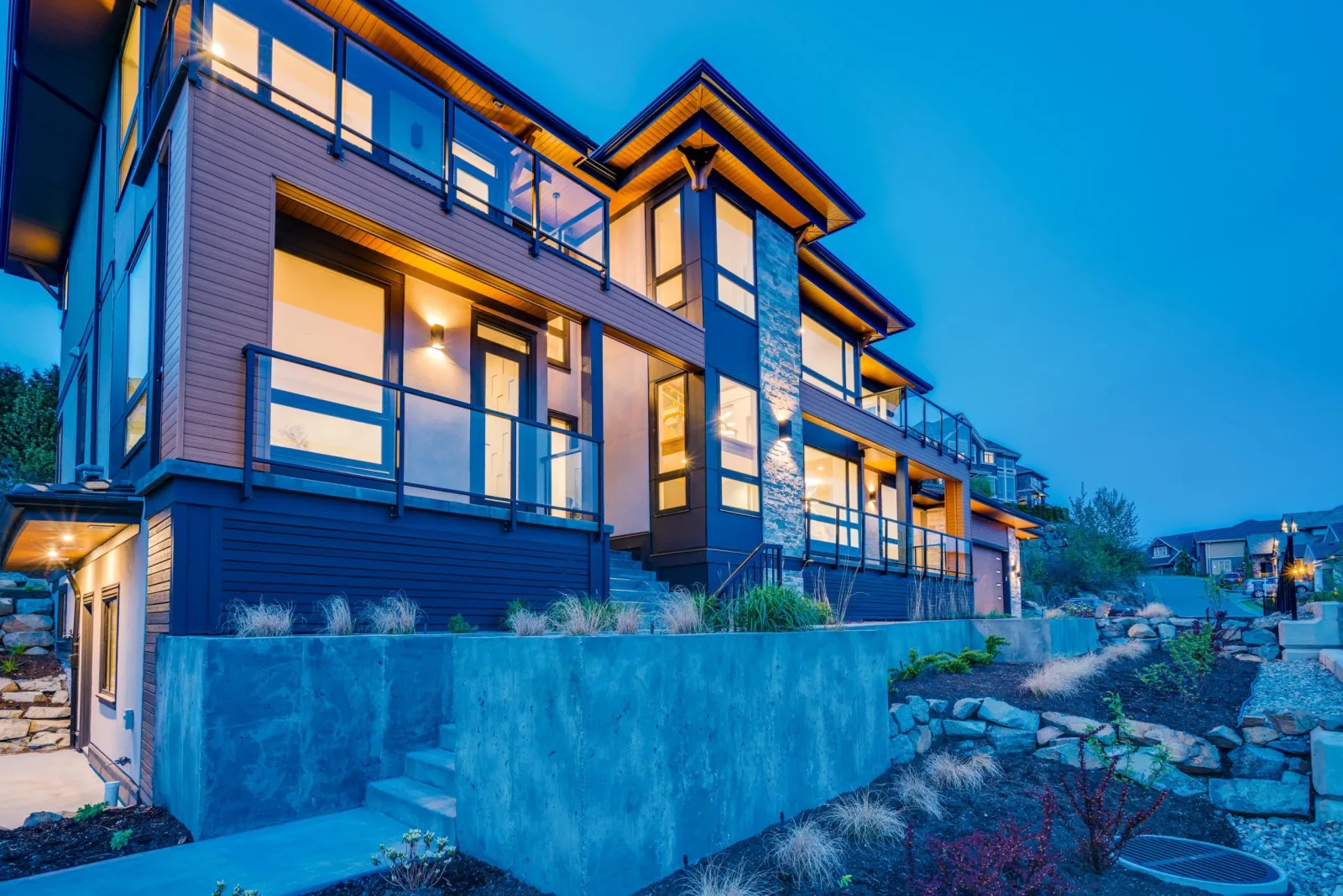
Density, Done Right
Multiplex Construction
Whether for family, tenants or future income, we deliver multiplex projects from rezoning through occupancy with the same craft we bring to single homes.
Learn More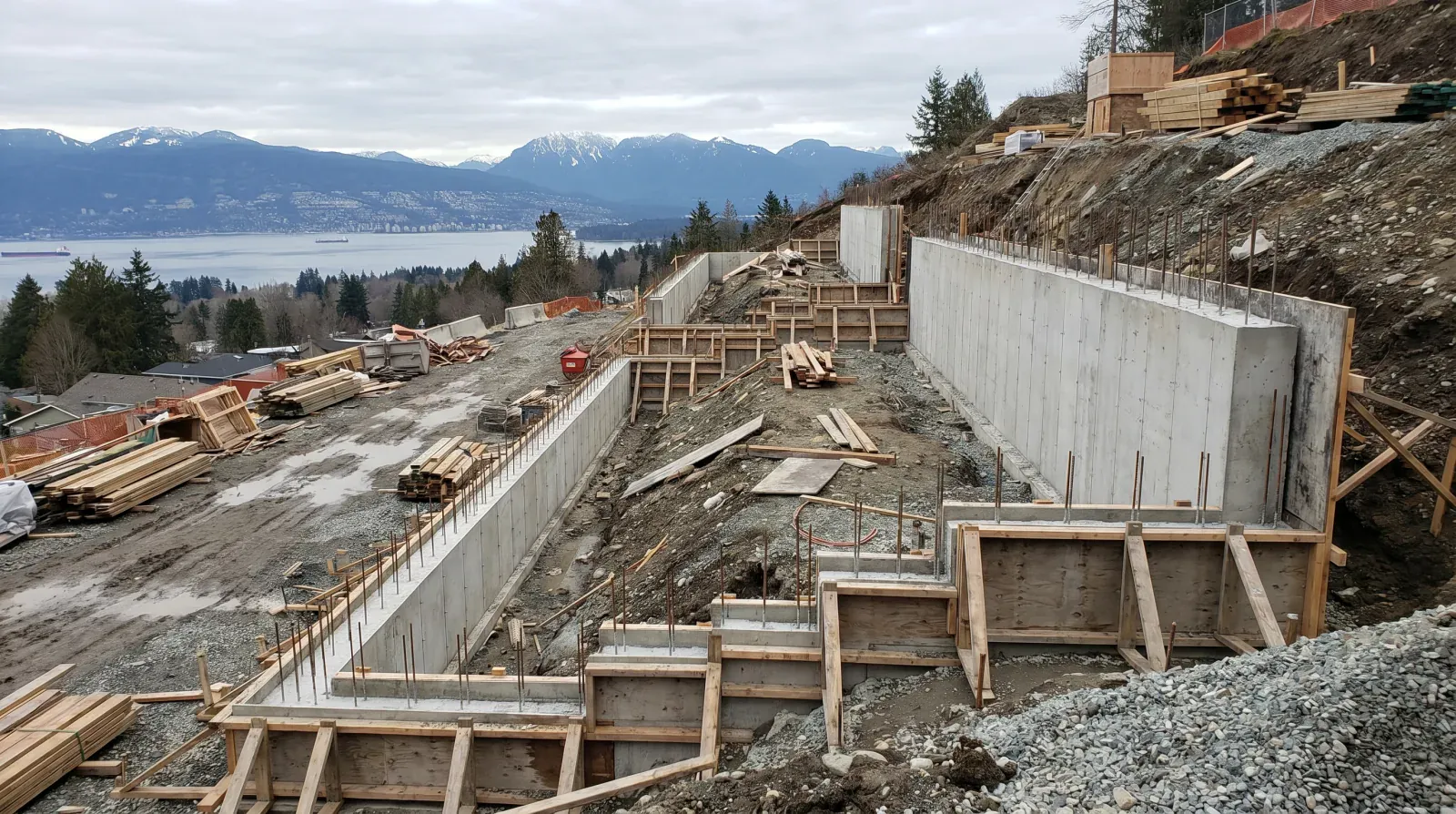
Slope, Soils & Views
Hillside Construction
Stepped foundations, geotechnical-driven retaining walls, hillside drainage, view-corridor bylaws, Burnaby's slope lots demand a builder with two decades of hillside experience. That's what we bring.
Learn More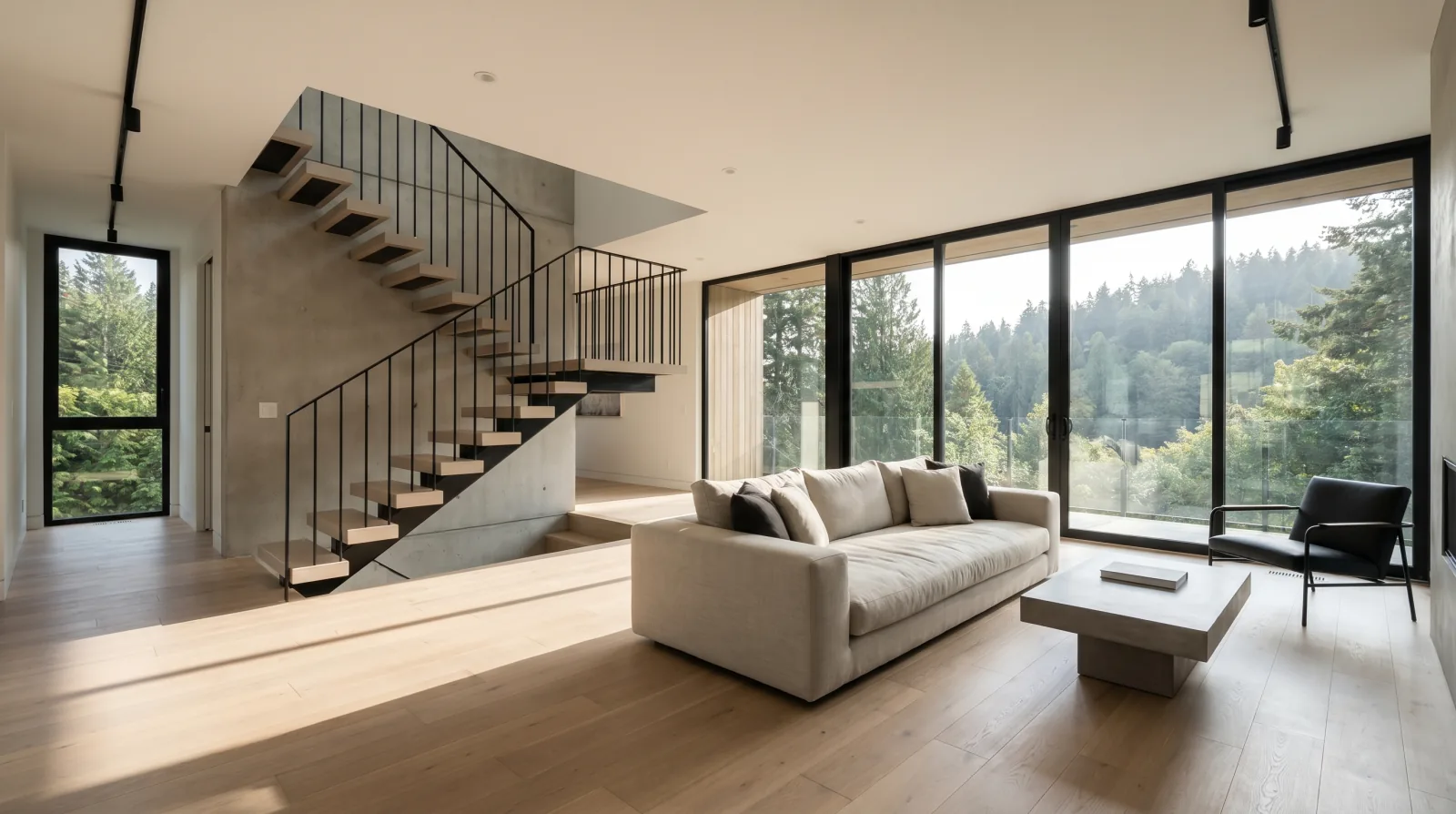
Renovate, Add or Rebuild
Whole-Home Renovation
Major renovations sit on a spectrum from cosmetic refresh to full structural overhaul. We help you find the right point on that spectrum, then build it.
Learn More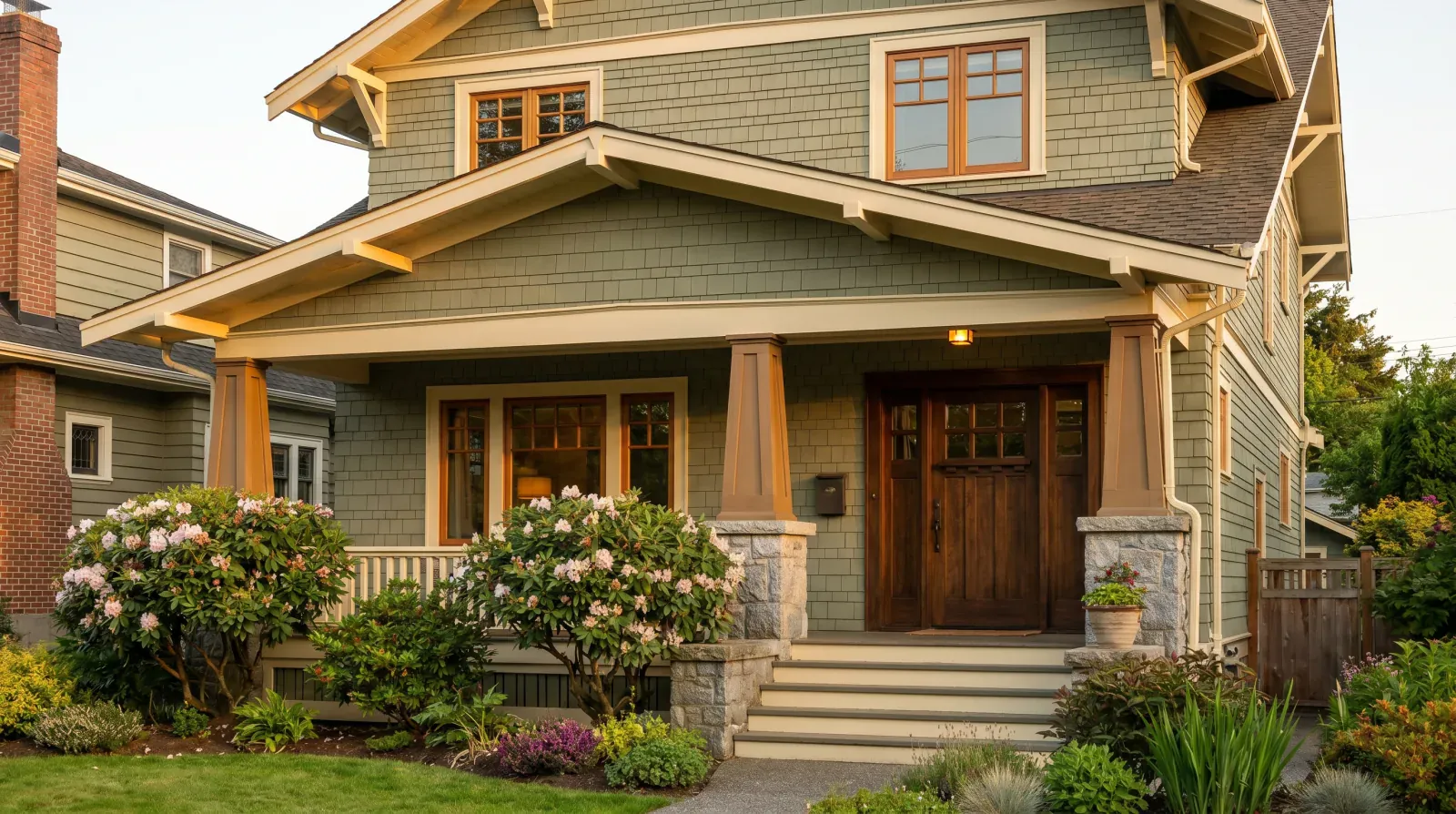
Character, Preserved
Heritage Restoration
Original siding profiles, salvaged fir, restored windows, sympathetic additions, heritage and character home restoration done at builder pace, not museum pace.
Learn More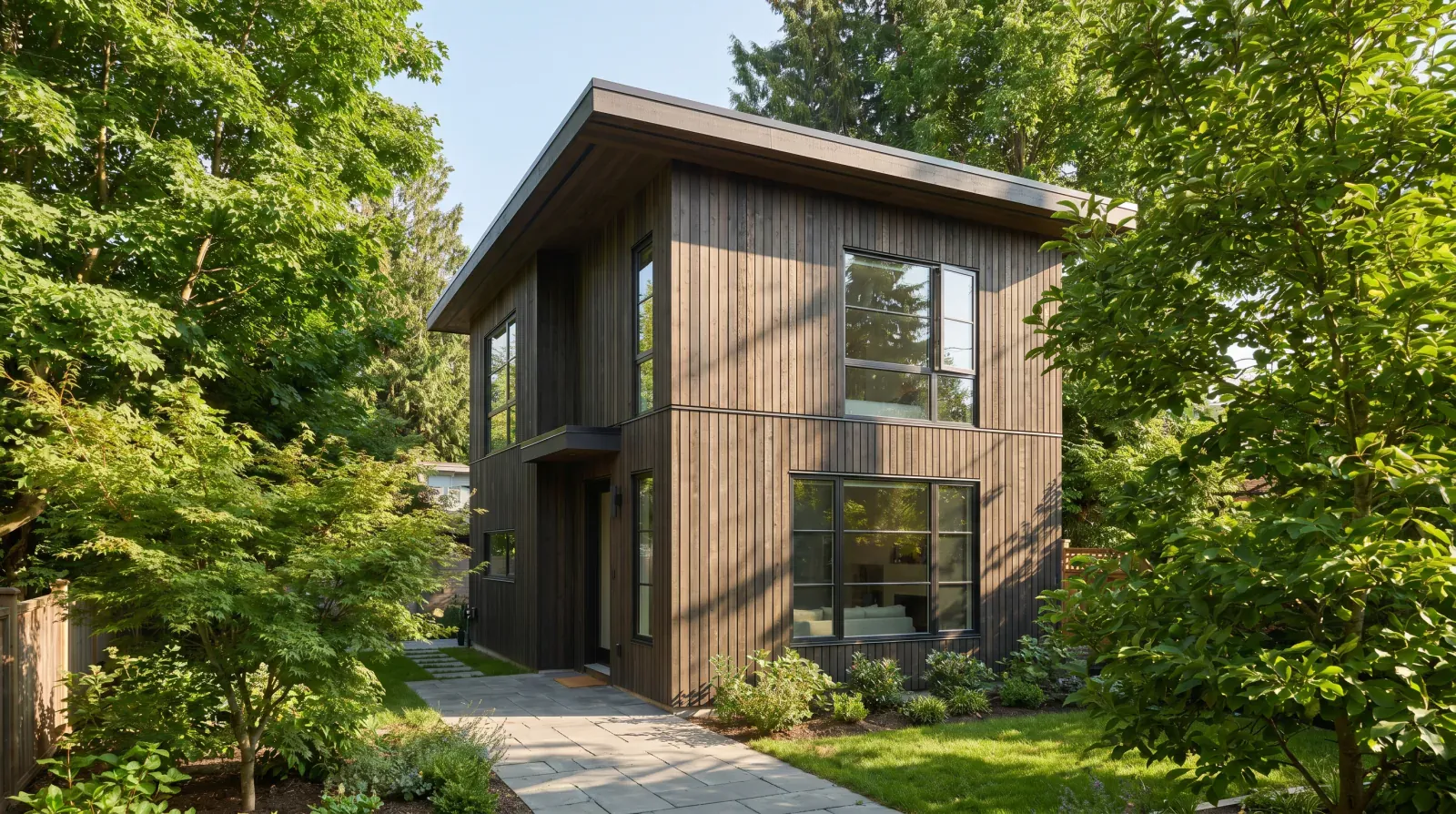
Secondary Dwellings, Done Right
Laneway & Coach Houses
Coach houses and laneway homes built with the same care as the main house, proper envelope, real kitchens, proper sound and fire separation between buildings.
Learn More
Renovate, Kitchens
Kitchen Renovation
Refresh, reconfigure, or take walls down, we scope kitchen renovations honestly, then sequence them so you're not living without a sink longer than you have to.
Learn More
Renovate, Bathrooms
Bathroom Renovation
Tile, fixtures and finishes are the visible part. Waterproofing, ventilation and the plumbing routing under the floor are what decide whether the bathroom lasts.
Learn More
Renovate, Basements
Basement Renovation
Dampproofing, egress, mechanical, and an insulation strategy that actually works on a Burnaby slab. The cosmetic part is the easy part.
Learn More
Renovate, Add Space
Additions
Over-builds, rear extensions, second-storey adds, additions only work when the connection between new and existing is engineered, not improvised.
Learn More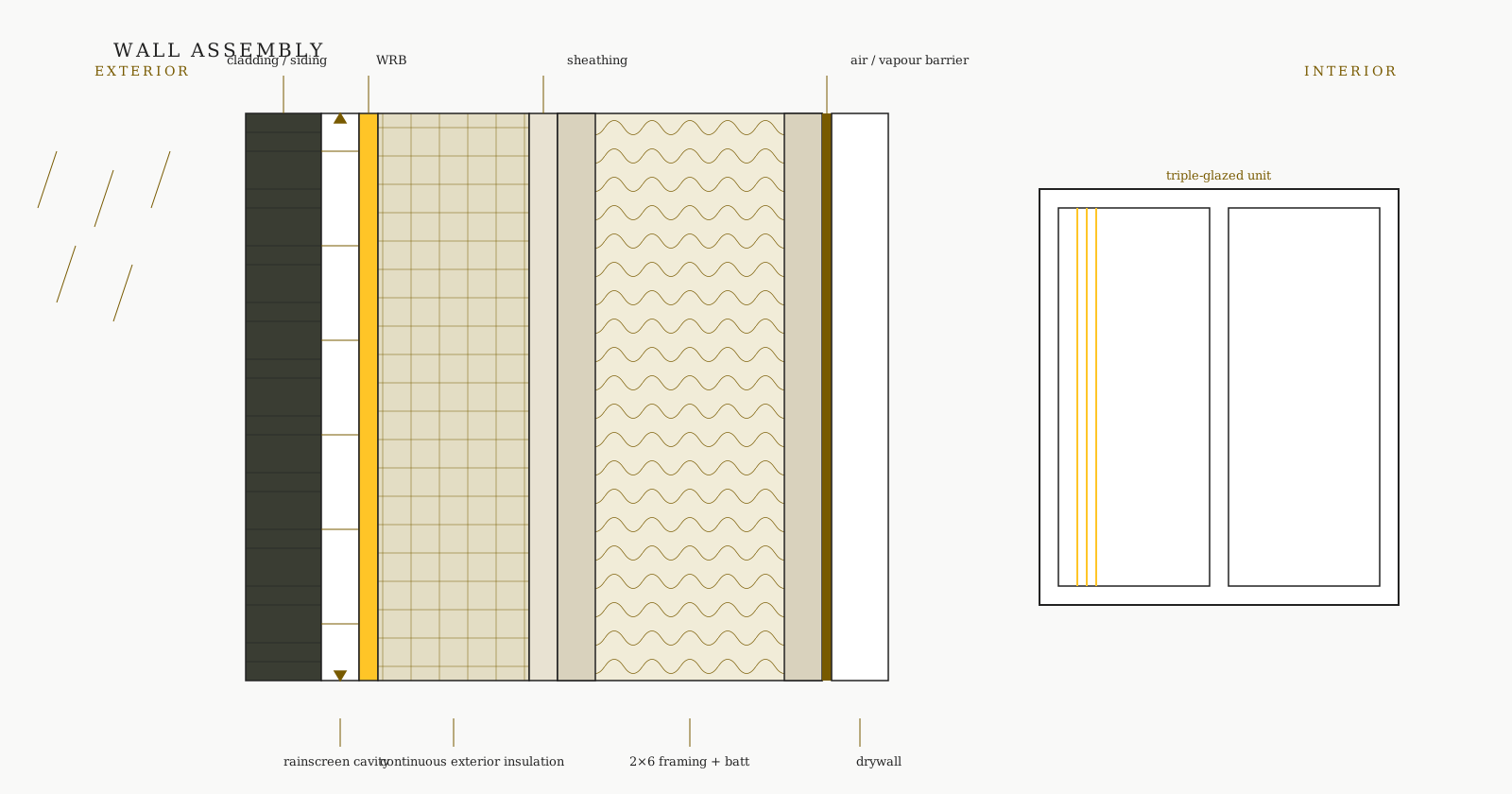
Renovate, Envelope
Exterior Envelope Renovation
Re-clad, retrofit a rainscreen, upgrade insulation, replace windows, envelope work is where most older Burnaby homes get a generation of life back.
Learn More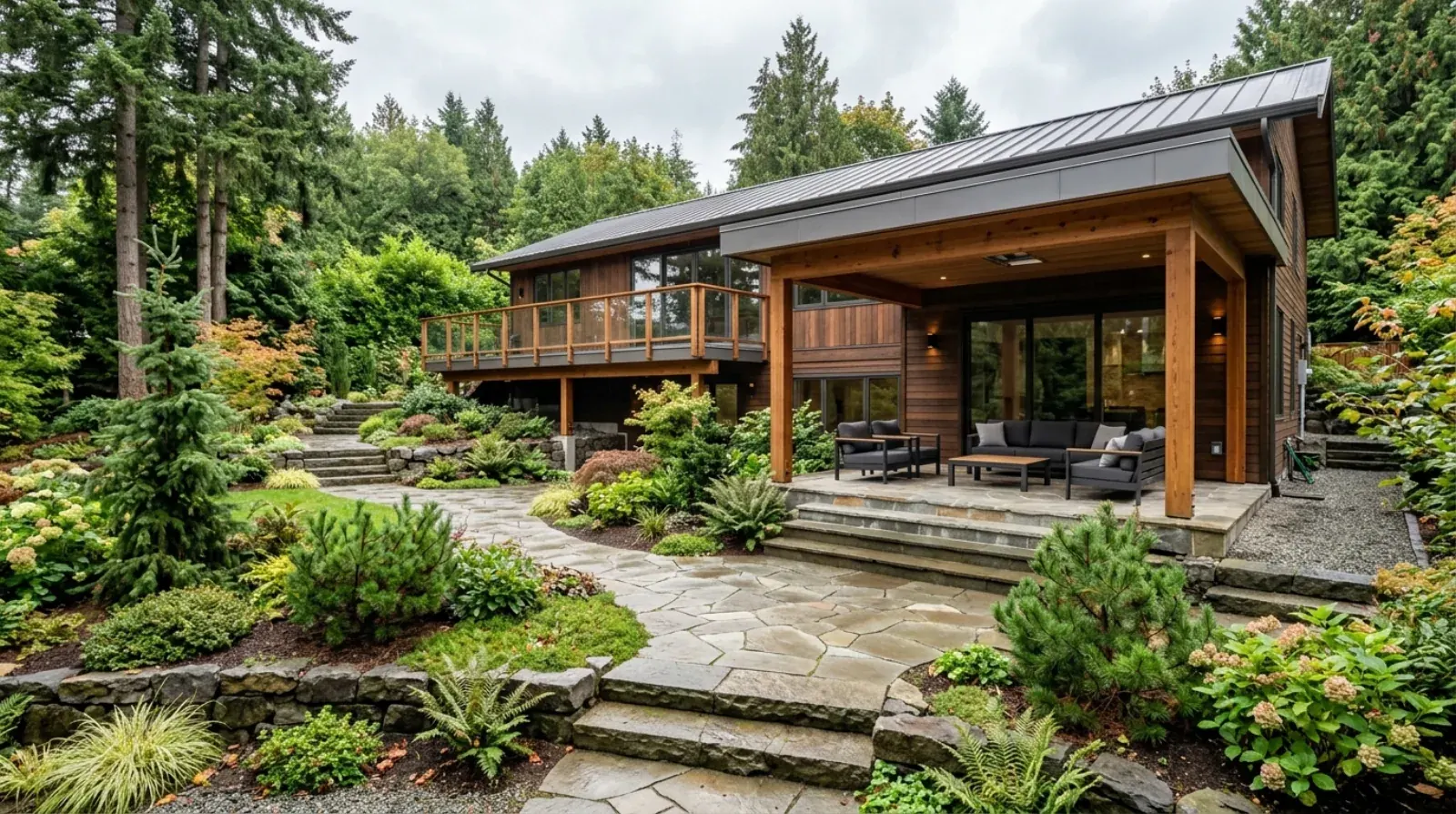
Decks, Grade Change & Privacy
Outdoor Living & Landscape
Decks, retaining walls, fencing, pools, and landscape lighting, planned alongside the house's own site plan and electrical rough-in, not added after the fact.
Learn MoreBegin
Plan a high-performance build
A short conversation is the fastest way to understand whether Icon is the right partner for your project.