
Renovate, Envelope
Exterior Envelope Renovation
Siding, rainscreen, insulation and windows, the parts that decide how the house performs.
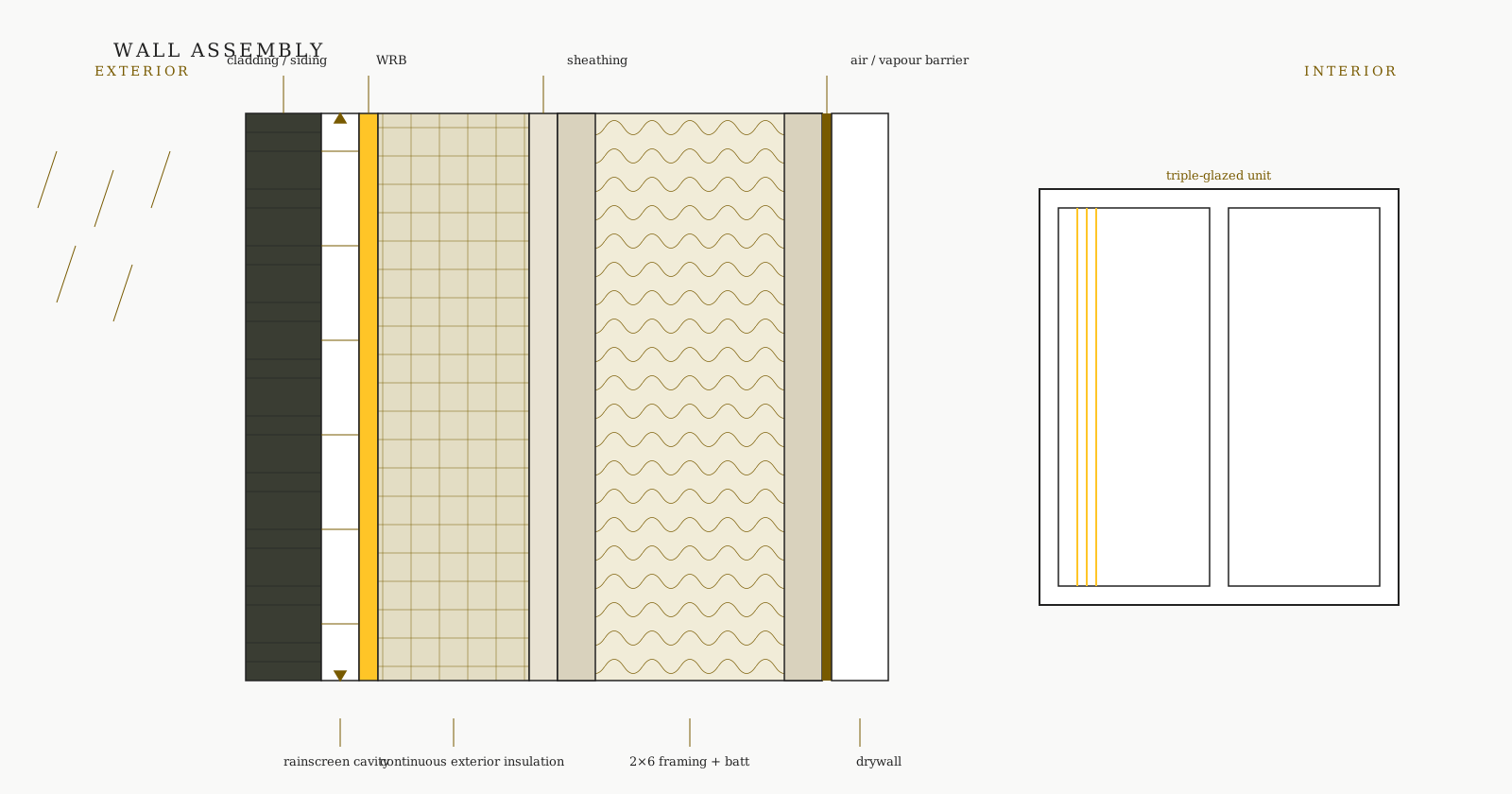
What does an exterior envelope renovation include?
An exterior envelope renovation covers three scopes that can be done separately or together: a siding refresh (removing old cladding, repairing sheathing and flashing, and adding a rainscreen cavity where one is missing), continuous exterior insulation added outboard of the sheathing once the cladding is off, and window replacement. Icon Projects treats a rainscreen retrofit as close to the standard answer for any Burnaby home being re-clad, since homes built before the late 1990s, common across Burnaby Heights, Capitol Hill, and South Burnaby, typically have no drained, vented cavity behind the cladding, so any water that gets past the cladding has nowhere to go. Envelope renovations usually need a building permit but don't normally trigger a development permit unless the cladding change crosses a heritage or character-area design review threshold. We size any exterior insulation and select windows, double-glazed as a competent retrofit standard, or triple-glazed for Step 4 or Step 5 targets, based on what the existing wall assembly can tolerate without trapping moisture.
The Approach
How does Icon Projects handle exterior envelope renovation?
Envelope work is the renovation most homeowners put off the longest and regret putting off the longest. Siding looks fine until it doesn't. Single-pane or early double-pane windows cost the homeowner money every winter without ever announcing themselves. Walls with no rainscreen cavity behind the cladding don't fail on a sunny week in July, they fail in the fifth wet October after a small leak has been quietly soaking sheathing for years. Burnaby's character stock, the post-war and mid-century homes across Burnaby Heights, Capitol Hill, and the older blocks of South Burnaby, was built before rainscreen detailing was standard and well before continuous exterior insulation entered the vocabulary. Renovating the envelope is where the building science actually lives.
The Process
What are the steps in Icon Projects' exterior envelope renovation process?
Every exterior envelope renovation engagement runs through the same four-stage rhythm, refined over two decades of builds.
- 01
Scope, refresh, re-clad, or full retrofit
The lightest scope is a siding refresh: take the old cladding off, inspect and repair the sheathing and any flashing failures, install a new rainscreen cavity and weather-resistive barrier (WRB) where they're missing, and re-clad in the chosen material. Cost varies widely by cladding choice. The middle scope adds continuous exterior insulation outboard of the sheathing, usually 1.5 to 4 inches of mineral wool or rigid foam, which markedly improves the wall's thermal performance and shifts the dew point outward where condensation is less consequential. The heaviest scope is a full envelope retrofit: re-cladding plus exterior insulation plus window replacement plus sometimes air-sealing rim joists and re-flashing transitions. The right scope depends on the age of the home, the condition of the existing walls, and how long the owner plans to stay.
- 02
Rainscreen retrofit, especially on older Burnaby stock
A drained, vented rainscreen cavity behind the cladding is the single most consequential detail in a Lower Mainland envelope. It lets bulk water that gets past the cladding drain out, and it lets the wall dry between rain events. Homes built before the late 1990s often have no rainscreen, cladding is attached directly to building paper over sheathing, and any water that gets in stays in. Retrofitting a rainscreen during a re-clad is roughly the right answer for any Burnaby home being touched. We use furring strips (typically 19 mm) over the WRB, with insect screens top and bottom, and we detail the transitions at windows, doors, decks and the roof eaves carefully, the rainscreen only works if it's continuous.
- 03
Insulation upgrade, when the cladding is off anyway
The moment the cladding is off and the sheathing is exposed is the only practical window for adding continuous exterior insulation without breaking the bank twice. Mineral wool (Rockwool Comfortboard 80, for example) and rigid foam each have their use cases, mineral wool is vapour-open and fire-resistant, rigid foam delivers more R per inch. We size the exterior insulation based on the target Step Code or comfort goal and on what the existing wall assembly will tolerate from a dew-point perspective. There's real building science behind getting this stack right, the wrong combination of interior vapour retarder and exterior insulation can trap moisture in the wall. We design the assembly with that in mind, not as a feel-good upgrade.
- 04
Windows and glazing, low-e double, triple, or Passive House spec
Windows are the weakest performing piece of most older envelopes and the most visible upgrade. The current default for a competent retrofit is a modern double-glazed unit with low-e coating and argon fill in a thermally-broken frame. For Step 4 or Step 5 targets, or for owners who want serious winter comfort and silence, triple-glazed units with insulated frames are the right answer, heavier, more expensive, and a different conversation with the existing rough opening structure. On heritage and character homes the trade-off between visual continuity (wood sash, original sight-lines) and performance is real; we'll lay it out without pretending one answer fits every project. For deeper dives, see [Windows and glazing for Burnaby winter](/blog/windows-glazing-burnaby-winter) and our note on [heat pumps and HRVs in a BC custom home](/blog/heat-pump-hrv-bc-custom-home).
- 05
Permits, usually building permit, often not DP
Envelope renovations in Burnaby usually need a building permit (and an electrical/plumbing permit if any mechanical is being touched as part of the work), but they don't normally trigger a development permit unless the cladding change crosses a heritage or character area design review threshold, or unless the work expands the building envelope. The permit process is straightforward enough when the documentation is in order, we submit assemblies, manufacturer specs for the windows and insulation, and the rainscreen detailing. The inspector will want to see the WRB and flashings before the cladding goes on, so the schedule is built around that inspection happening on time.
From the Journal
Further reading on exterior envelope renovation.
Common Questions
Frequently asked questions about exterior envelope renovation.
Homes built before the late 1990s often have no rainscreen cavity, cladding attached directly to building paper over the sheathing, meaning any water that gets past the cladding has nowhere to drain and stays in the wall. Signs of trouble include staining, soft spots in siding, or musty smells near exterior walls. If you're re-cladding a home of this era for any reason, retrofitting a drained, vented rainscreen cavity during that work is close to the standard answer for a Lower Mainland envelope.
A siding refresh removes old cladding, inspects and repairs the sheathing and flashing, and re-clads, adding a rainscreen cavity where one is missing. A full envelope retrofit goes further, adding continuous exterior insulation, replacing windows, and often air-sealing rim joists and re-flashing transitions. The right scope depends on the home's age, the condition of the existing walls, and how long the owner plans to stay.
The moment the cladding is off and the sheathing is exposed is the only practical window to add continuous exterior insulation without paying to open the wall twice. Mineral wool and rigid foam are both used depending on the assembly, mineral wool is vapour-open and fire-resistant, rigid foam delivers more R-value per inch. We size the exterior insulation to the home's target performance level and check that the resulting wall assembly won't trap moisture at the dew point.
A modern double-glazed unit with low-e coating and argon fill in a thermally-broken frame is a competent retrofit standard for most homes. Triple-glazed units with insulated frames are the right call for Step 4 or Step 5 energy targets, or for owners prioritizing winter comfort and sound reduction, though they're heavier and require checking the existing rough opening structure. On heritage and character homes, there's a real trade-off between visual continuity and performance that we lay out rather than assume.
Usually not. Envelope renovations typically need a building permit, and an electrical or plumbing permit if mechanical systems are touched, but don't normally trigger a development permit unless the cladding change crosses a heritage or character area design review threshold, or the work expands the building envelope. We submit the assemblies, manufacturer specs, and rainscreen detailing as part of the building permit package.
The insulation choice has to be evaluated as part of the full wall assembly, not selected independently, because the combination of exterior insulation type and any interior vapour retarder affects where moisture can condense within the wall. We design the assembly holistically based on the target performance level and what the existing structure can tolerate, rather than treating exterior insulation as an interchangeable upgrade.
Yes. The inspector typically wants to see the weather-resistive barrier (WRB) and flashings installed and detailed correctly before the new cladding covers them, since these layers can't be verified once the finish material is on. We build the schedule around that inspection happening on time so the re-cladding crew isn't held up waiting.
Timeline depends on the scope selected, a siding refresh moves faster than a full retrofit that adds continuous exterior insulation and replaces windows. Cladding material lead times and permit review time also factor in. We give a realistic schedule once the scope and materials are selected.
By city
Renovating somewhere specific?
Permits, protected trees, strata approvals and hazardous materials all work differently depending on where the building is. These pages cover what changes.
Continue Exploring
Other services.

Vision & Permitting
Planning
Every build starts with clarity. We translate intent into permit-ready drawings, navigating zoning, feasibility and budgeting before a single shovel touches the ground.
Learn More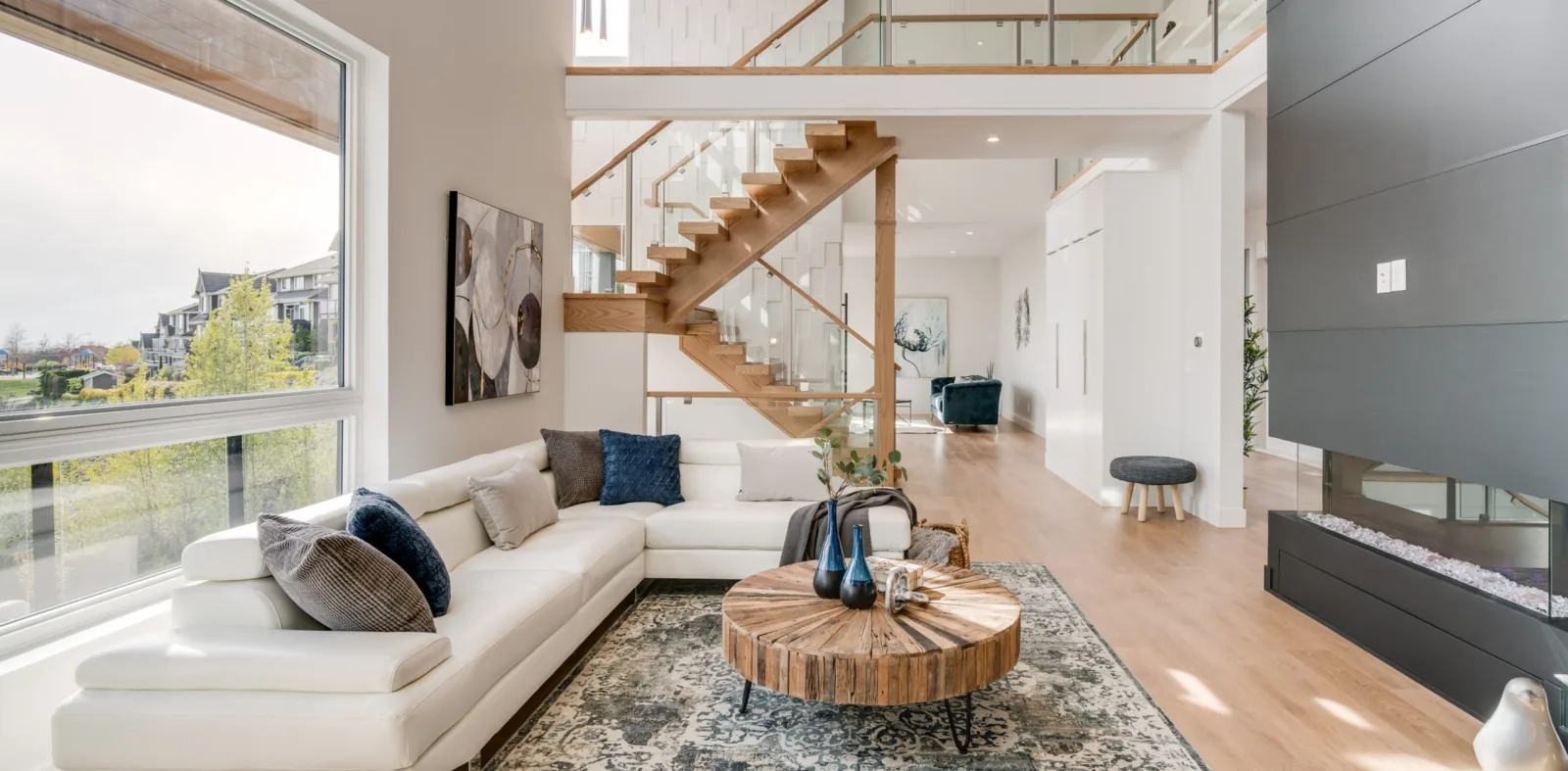
Bespoke Builds
Custom Homes
From foundation to finishing carpentry, homes designed and built around how you actually live, made with materials chosen to age beautifully.
Learn More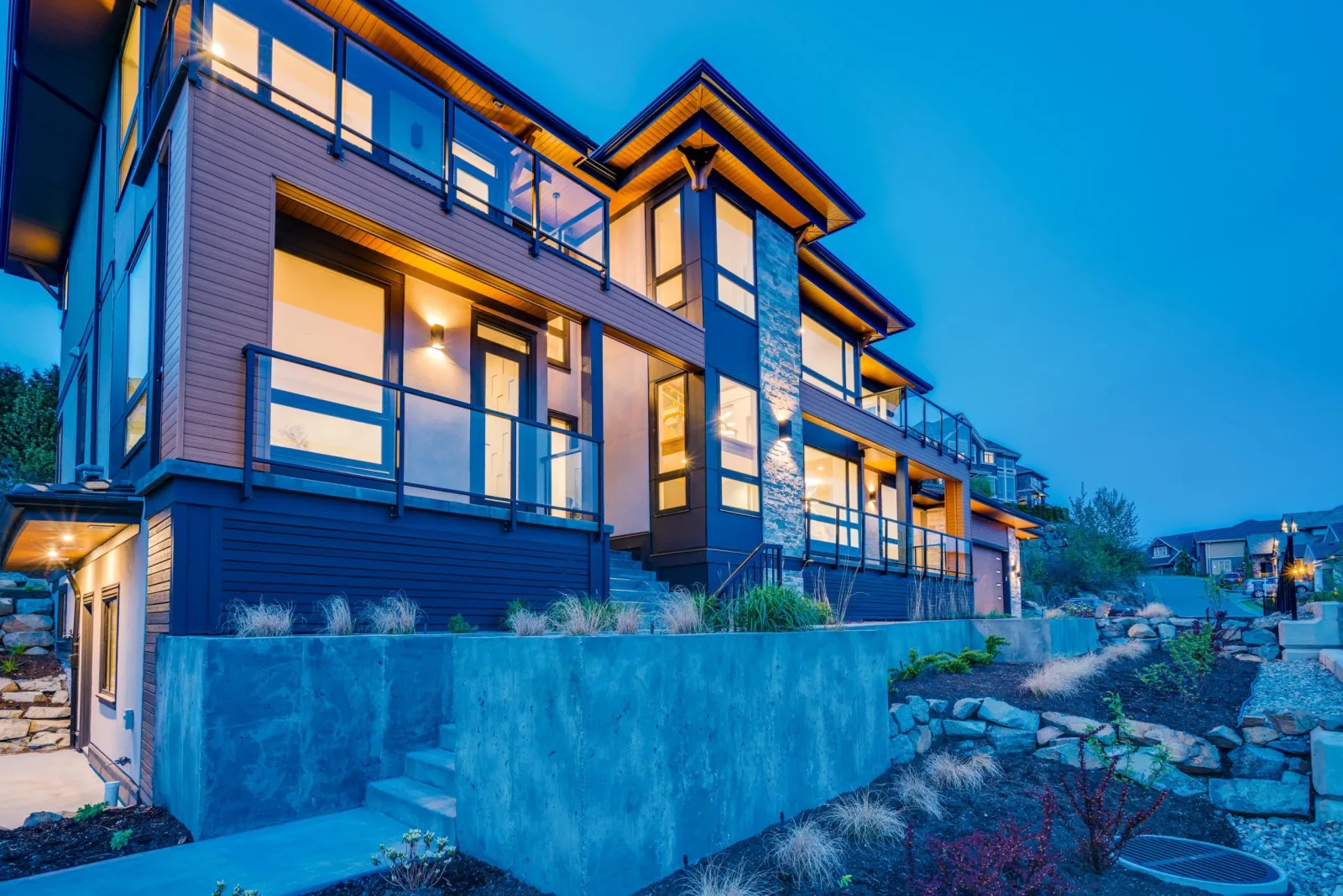
Density, Done Right
Multiplex Construction
Whether for family, tenants or future income, we deliver multiplex projects from rezoning through occupancy with the same craft we bring to single homes.
Learn More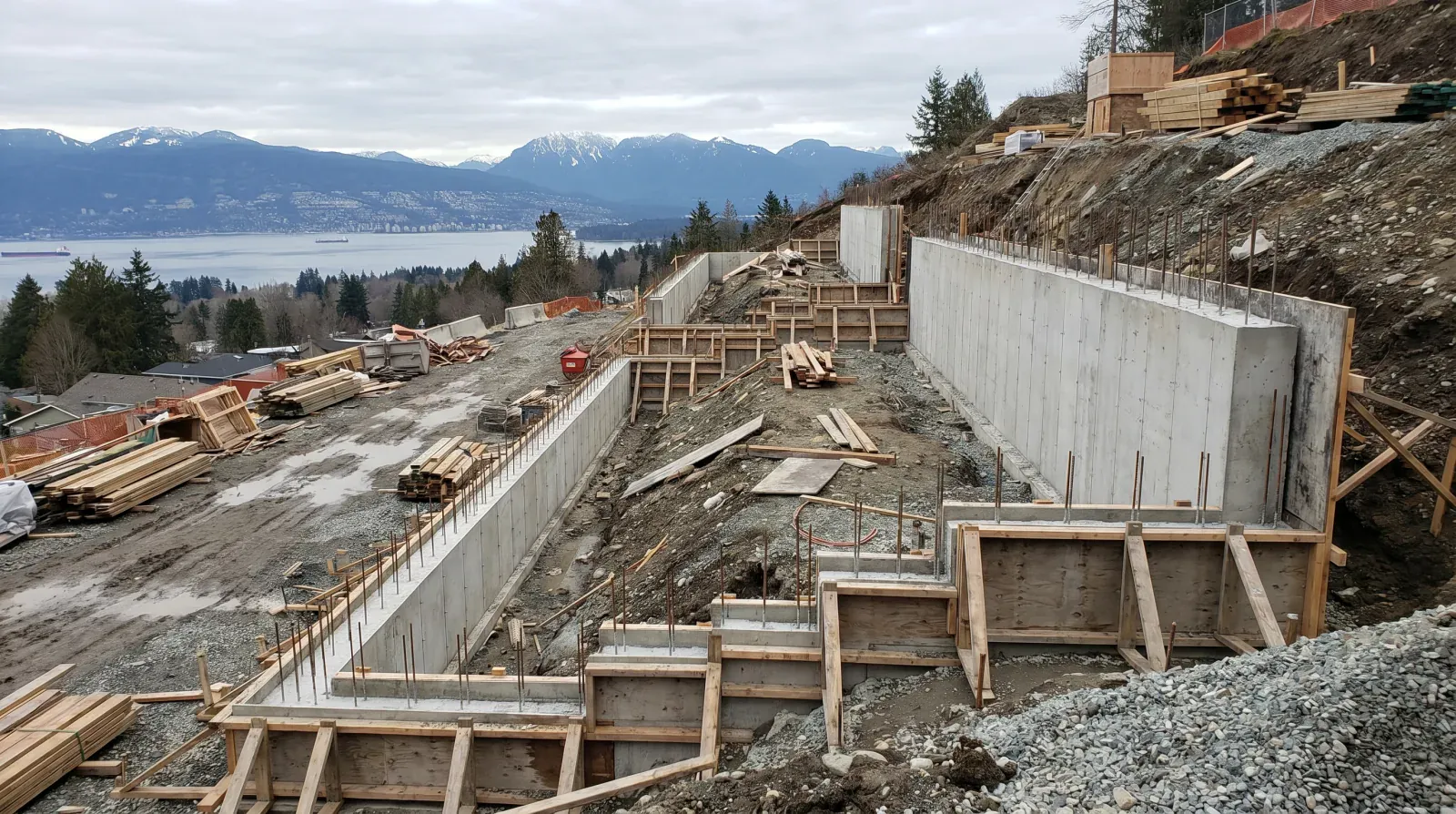
Slope, Soils & Views
Hillside Construction
Stepped foundations, geotechnical-driven retaining walls, hillside drainage, view-corridor bylaws, Burnaby's slope lots demand a builder with two decades of hillside experience. That's what we bring.
Learn More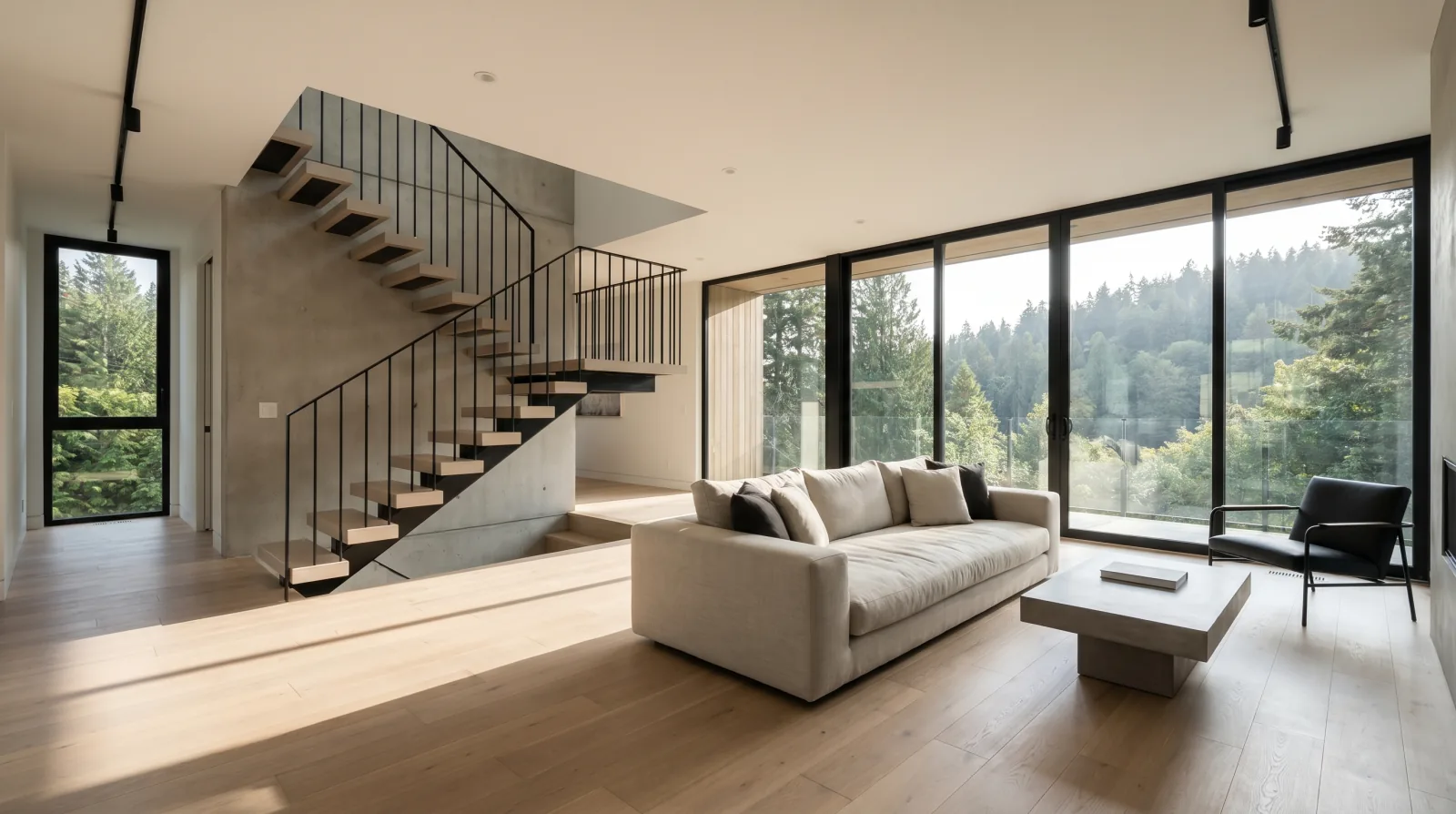
Renovate, Add or Rebuild
Whole-Home Renovation
Major renovations sit on a spectrum from cosmetic refresh to full structural overhaul. We help you find the right point on that spectrum, then build it.
Learn More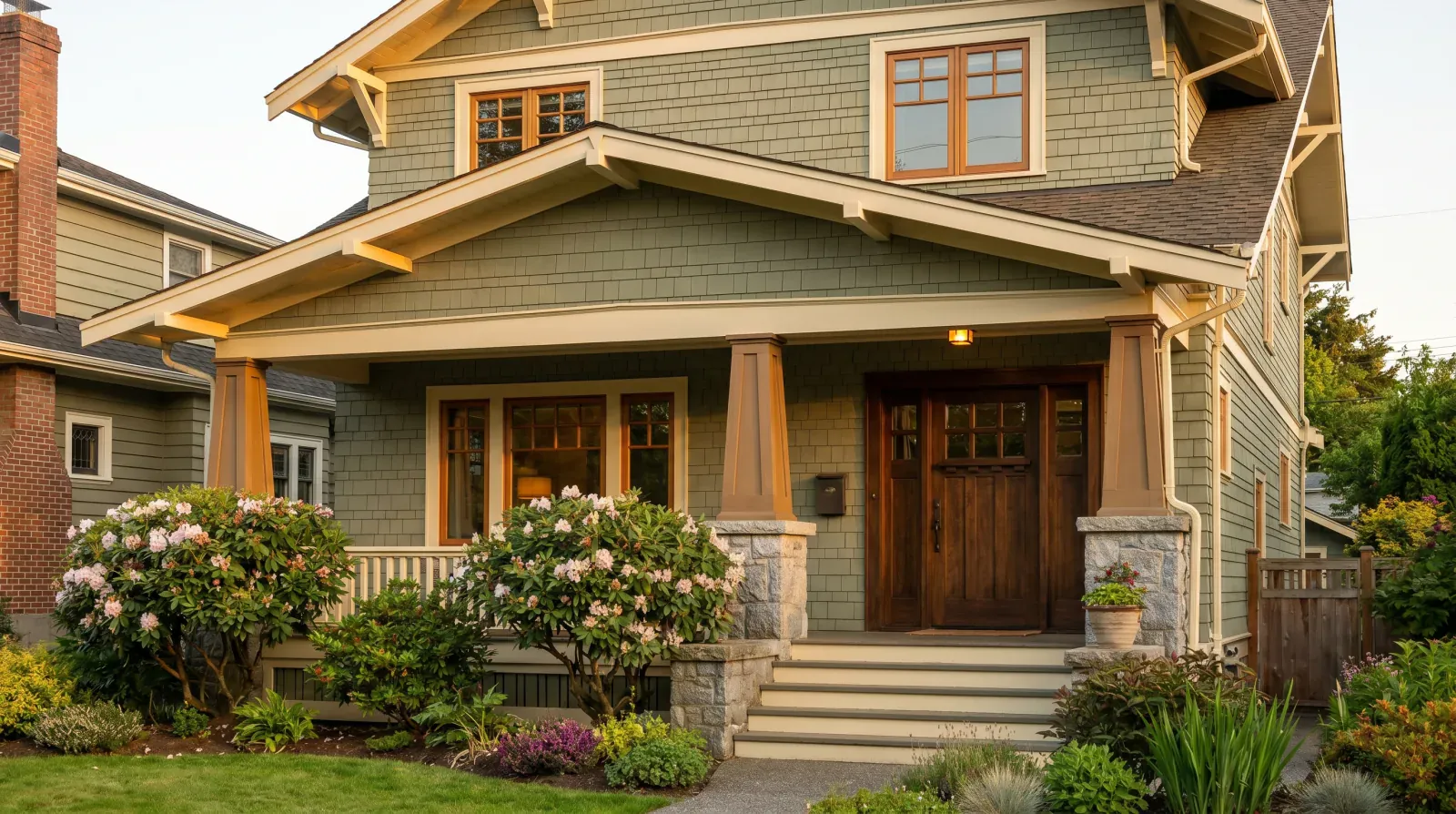
Character, Preserved
Heritage Restoration
Original siding profiles, salvaged fir, restored windows, sympathetic additions, heritage and character home restoration done at builder pace, not museum pace.
Learn More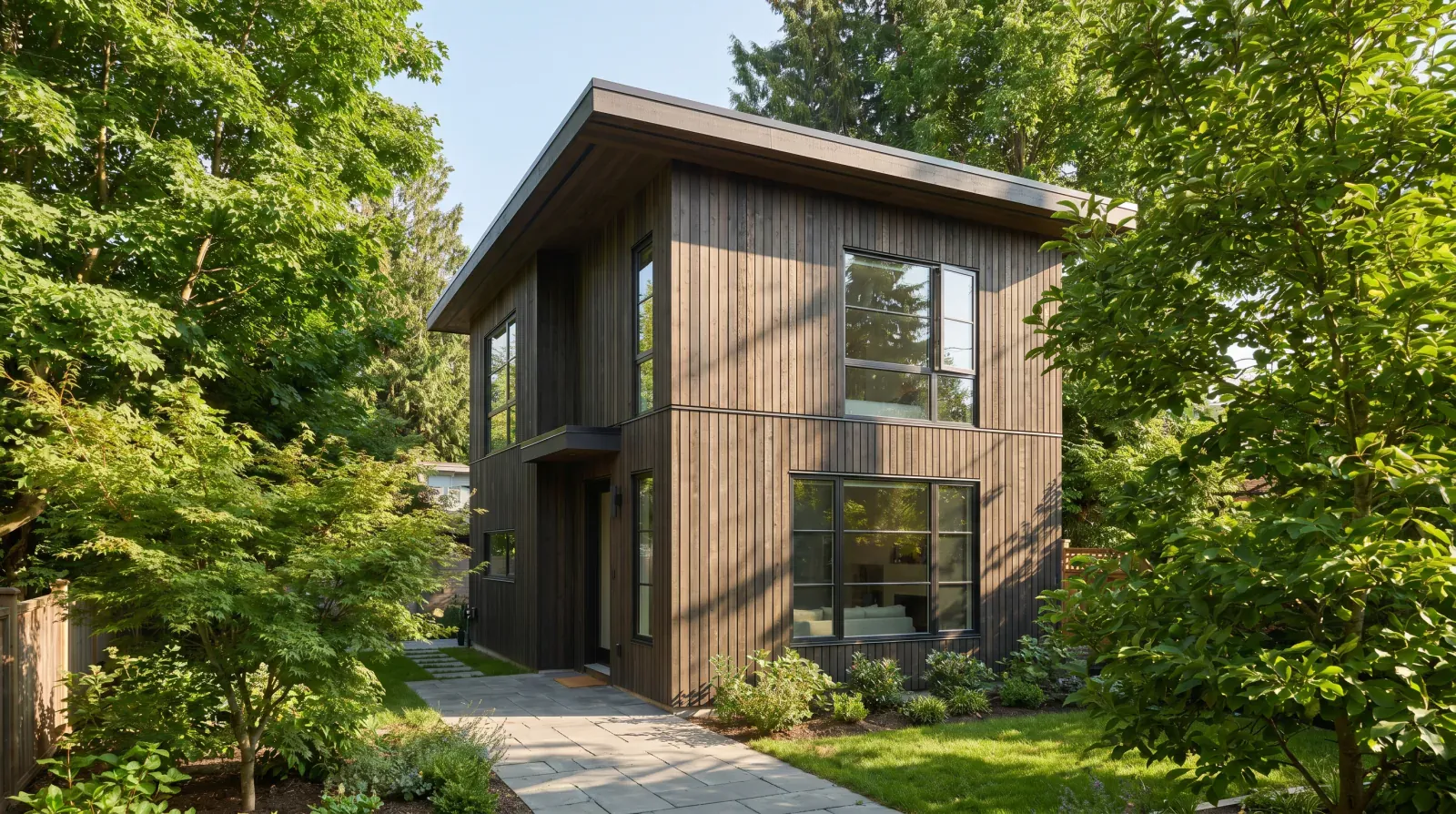
Secondary Dwellings, Done Right
Laneway & Coach Houses
Coach houses and laneway homes built with the same care as the main house, proper envelope, real kitchens, proper sound and fire separation between buildings.
Learn More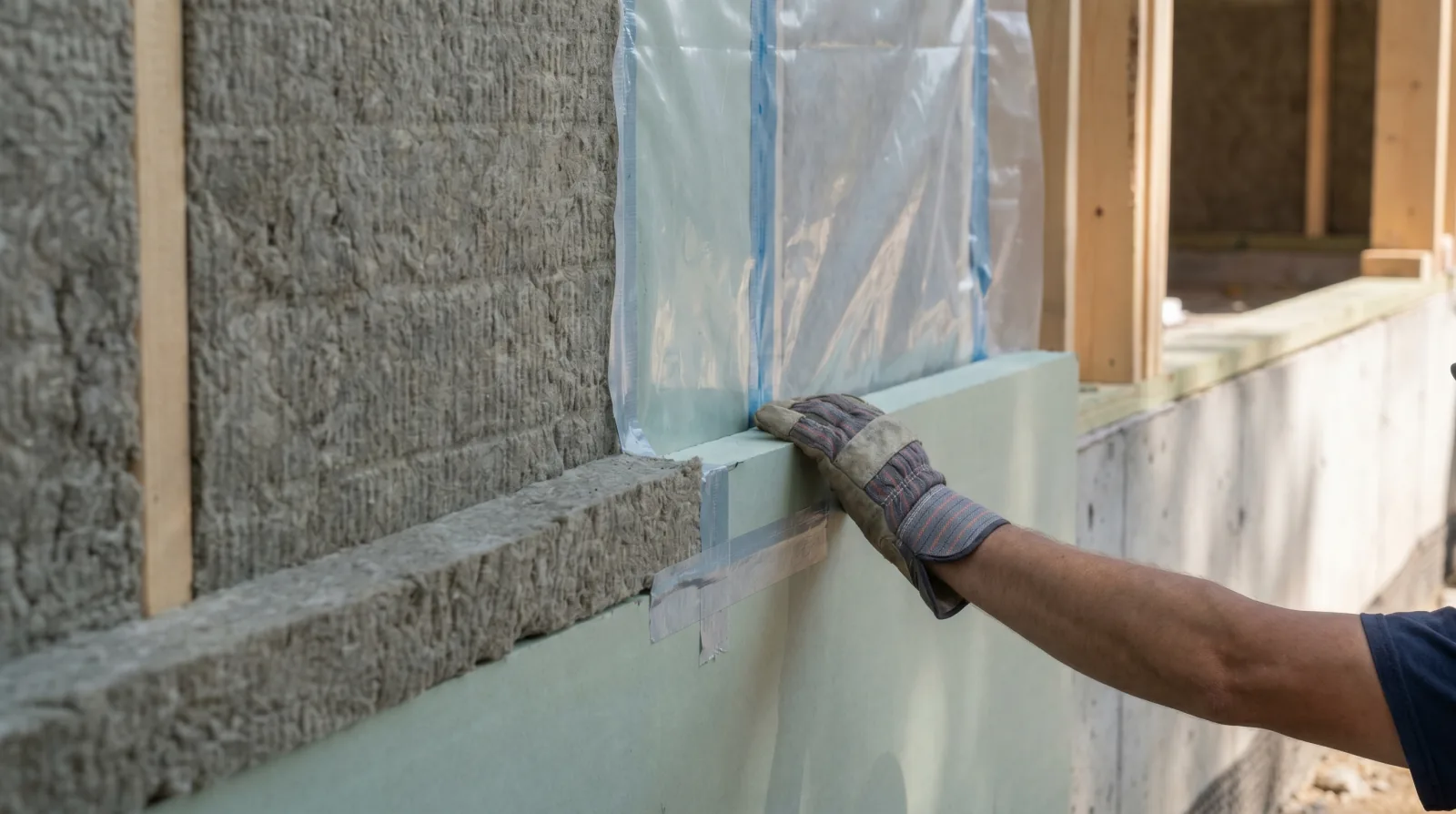
Highest-Performance Envelope
Passive House & Step 5
Step 5 envelopes, blower-door targets under 1.0 ACH₅₀, mineral-wool exteriors, heat-pump mechanical, HRV/ERV, high-performance homes built to certify, not just claim.
Learn More
Renovate, Kitchens
Kitchen Renovation
Refresh, reconfigure, or take walls down, we scope kitchen renovations honestly, then sequence them so you're not living without a sink longer than you have to.
Learn More
Renovate, Bathrooms
Bathroom Renovation
Tile, fixtures and finishes are the visible part. Waterproofing, ventilation and the plumbing routing under the floor are what decide whether the bathroom lasts.
Learn More
Renovate, Basements
Basement Renovation
Dampproofing, egress, mechanical, and an insulation strategy that actually works on a Burnaby slab. The cosmetic part is the easy part.
Learn More
Renovate, Add Space
Additions
Over-builds, rear extensions, second-storey adds, additions only work when the connection between new and existing is engineered, not improvised.
Learn More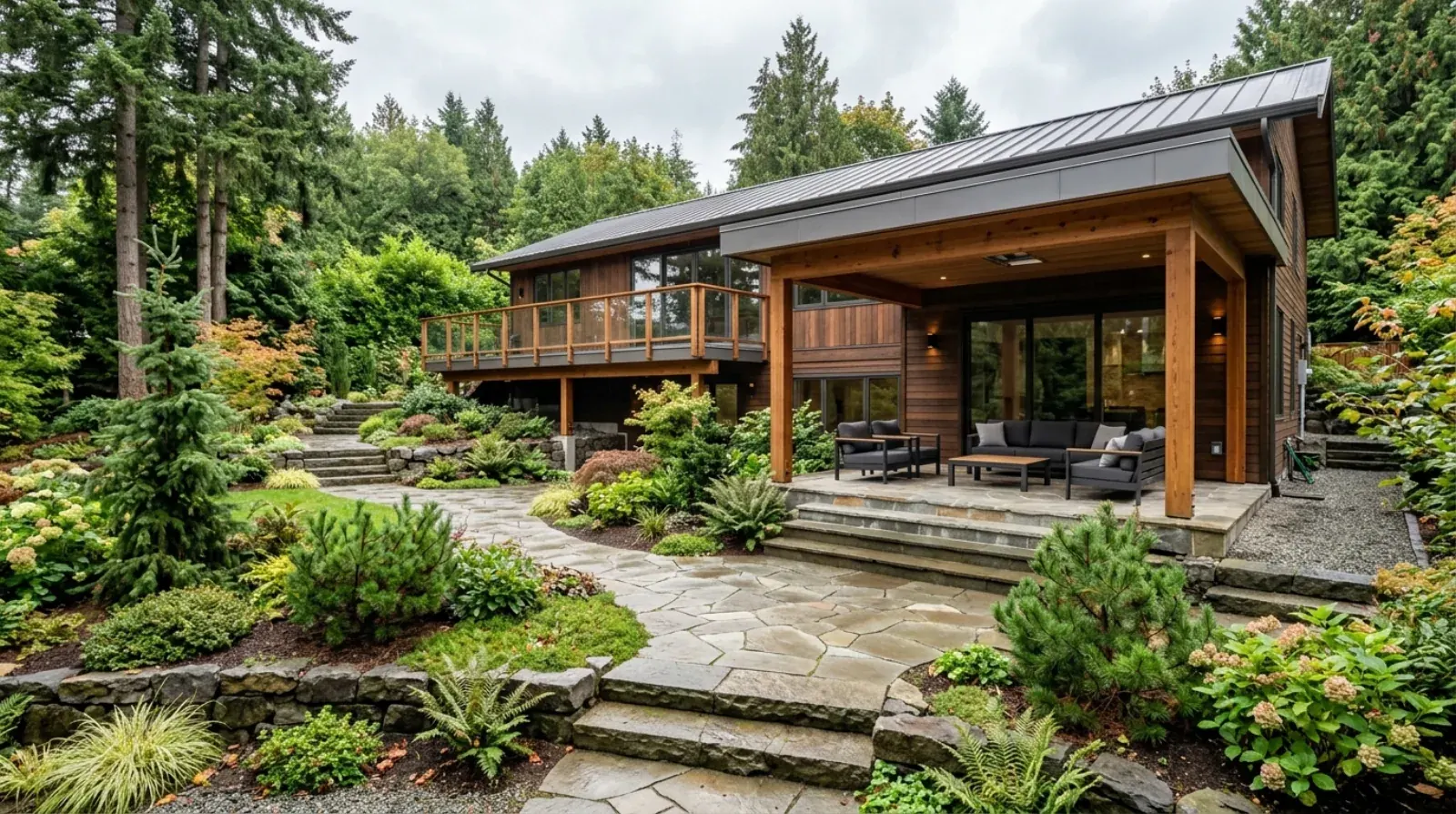
Decks, Grade Change & Privacy
Outdoor Living & Landscape
Decks, retaining walls, fencing, pools, and landscape lighting, planned alongside the house's own site plan and electrical rough-in, not added after the fact.
Learn MoreBegin
Plan an envelope upgrade
A short conversation is the fastest way to understand whether Icon is the right partner for your project.