
Renovate, Add Space
Additions
Second-storey, rear extension, over-build, done in line with the existing home.

What does a home addition contractor in Burnaby actually do?
A home addition contractor plans and builds new construction, a second-storey add, a rear extension, or an over-build, that has to integrate structurally and visually with an existing house. Icon Projects starts by running the zoning numbers against Burnaby's residential bylaws, maximum lot coverage, floor space ratio, and setbacks, before any elevation is drawn, then engages a structural engineer early to design the connection between old and new foundations, since a new footing sits on undisturbed bearing while the existing one has settled over decades. Most additions need a building permit, and additions that add square footage frequently need a development permit as well depending on the zone and scale. Additions of a meaningful size are treated as new construction for energy code purposes, so the new portion has to meet the BC Energy Step Code level in effect at permit application even though the existing house was built to an older standard.
The Approach
How does Icon Projects handle additions?
An addition is one of the trickiest projects in residential construction. New work has to integrate with old work, old foundations, old framing, old envelope, old mechanical, without compromising either side of the line. The new portion has to meet current BC Building Code; the existing portion mostly doesn't unless you've crossed a substantial-renovation threshold. The architecture has to look intentional from the street and inside, not like a gable bolted onto a roof. And the build sequence has to keep the existing house weather-tight and habitable for as long as the family is living in it. Most additions we take on in Burnaby, over-build a single-storey rancher, rear extension on a character home in Burnaby Heights, second-storey add on a 1970s split-level, succeed because we plan the connection between old and new before drawings get committed.
The Process
What are the steps in Icon Projects' additions process?
Every additions engagement runs through the same four-stage rhythm, refined over two decades of builds.
- 01
Feasibility, zoning, lot coverage, FSR
Before we get attached to a design, we run the zoning numbers. Burnaby's residential zones each carry a maximum lot coverage and a maximum floor space ratio (FSR) that limits how much built area the lot will support. An over-build on a single-storey rancher might be the simplest way to add a primary suite without consuming lot coverage; a rear extension might be cleaner architecturally but eats into the back yard and the FSR allowance. Setback rules from front, rear and side property lines bracket the buildable envelope further. We do this analysis in the first conversation, against the current bylaw, before anyone draws a single elevation.
- 02
Structural connection, matching new to old
The most consequential drawing on any addition project is the one showing how the new foundation, framing and lateral system tie into the existing house. New foundation work next to an old one has to consider differential settlement, the new footing is on undisturbed bearing, the old footing has settled in over decades. We engage a structural engineer early to design the connection: dowelled rebar between old and new foundations where appropriate, beam-and-post transitions where existing walls have to carry new loads, lateral diaphragm continuity so the addition behaves with the existing home in a seismic event. None of this is glamorous, and all of it is the difference between an addition that performs and one that telegraphs cracks at every season change.
- 03
Envelope continuity, air, water and vapour barriers
The new portion of the home gets a current-code envelope. The existing portion has whatever envelope it was built with, often no air barrier, no continuous insulation, single-pane or early double-pane windows. Where the two meet, the air barrier has to be continuous; otherwise the new addition just becomes the place where the existing home's moisture problems concentrate. We detail the air-barrier transition explicitly: which membrane laps to which substrate, where the rainscreen cavity terminates, how the existing siding meets the new cladding. These details get drawn before framing starts, because retrofitting them at insulation rough-in is messy and expensive.
- 04
Permits and the DP path in Burnaby
Most additions in Burnaby need a building permit, and additions that add square footage frequently need a development permit (DP) as well, depending on the zone and the scale. The DP process adds review steps and time, design review for character areas, neighbour notification in some cases, council referral on bigger projects. We've been through this enough to know which scopes will sail through and which will get tugged into a longer review. We're upfront about it before drawings are committed, because finding out at month four that the DP is going to add another six months is the kind of surprise we don't enjoy delivering.
- 05
Living through it, or moving out
Some additions can be built with the family still in the house. A rear extension can usually be built with the existing back wall sealed until the new shell is weather-tight, then the wall comes down in a single planned week. A second-storey add is harder, the roof has to come off, and unless we can do it in a dry stretch with tarp protection planned, the house is exposed to weather in a way nobody enjoys. On larger over-builds we often recommend the family rent for the eight to twelve weeks the upper structure is open. The conversation we want to have is honest: which scope keeps you in the house, which one is much faster if you're out, and how much that gap is worth to you.
- 06
BC Step Code triggers on the new portion
Additions of a certain scale are treated as new construction for energy code purposes, the new portion has to meet the BC Energy Step Code level in effect at permit application, even if the existing house was built decades ago. That means the new walls, new roof, new windows and any new mechanical serving the addition all carry the current Step level's targets. On a meaningful over-build or large rear extension, we run an energy model on the new envelope from the start so the framing, sheathing and insulation strategy is designed to the target, not justified to it after the fact. Confirm the exact step requirement for your permit date with the City of Burnaby building department, since the step level has been ratcheting up.
From the Journal
Further reading on additions.
- Home additions in Burnaby: the 2026 rules
- Adding a second storey in Burnaby: what the city allows and what to expect
- Renovate, add, or rebuild: how to decide
- Renovate, add, or rebuild: reading the bones of an older Burnaby Heights home
- Building custom homes and additions in Coquitlam
- Custom home and renovation building in New Westminster
- Considering a full renovation instead of an addition? Compare the two
Common Questions
Frequently asked questions about additions.
We build three main addition types: second-storey adds onto existing single-storey homes, rear extensions that push the main floor footprint back into the yard, and over-builds that add a second storey above an existing ground floor. Each type has its own structural requirements and permit trigger. Second-storey additions require a foundation assessment to confirm the existing footings can carry the new loads. Rear extensions require a feasibility check against zoning setbacks, lot coverage limits, and FSR. Over-builds are the most complex because the roof comes off during construction, sequencing the weather exposure window is a key part of the plan.
Often, yes, but it depends on the existing foundation and framing. We start every addition enquiry with a structural assessment of what is already there: footing size, bearing capacity, wall framing adequacy, and lateral system. On many 1960s-70s Burnaby homes the foundations are concrete and in good condition, but the framing was designed for a single storey and the walls need reinforcing before they carry new loads. The permit process for a second-storey add on an existing home in Burnaby includes structural engineer drawings and a BC Energy Step Code compliance review for the new portion.
An addition increases the footprint or height of the existing home, it adds square footage. A whole-home renovation works within the existing structure to update mechanical systems, envelope, finishes, and layout without increasing the building envelope. In practice the two often overlap: we may do a rear extension and a full kitchen renovation at the same time. When a project involves both, we scope them together so the trade sequencing makes sense and the permit covers everything. Our Whole-Home Renovation service covers projects that stay inside the existing envelope.
Yes. Additions on slope lots, Capitol Hill, Burnaby Heights, Westridge, carry added complexity because the existing foundation may not be designed for the load of a second storey, and geotechnical work often flags drainage or retaining issues that need to be addressed alongside the addition. Our Hillside Construction service covers slope-lot builds in full, including slope additions.
Most additions need a building permit, and additions that add square footage frequently need a development permit (DP) as well, depending on the zone and scale. The DP process adds review steps, design review in character areas, neighbour notification in some cases, and occasionally council referral on larger projects. We flag which scopes are likely to need a DP before drawings are committed, since it materially affects the timeline.
This is the single most consequential drawing on any addition project. New foundation work next to an old one has to account for differential settlement, since the new footing sits on undisturbed bearing while the old footing has settled over decades. We engage a structural engineer early to design the connection: dowelled rebar between old and new foundations where appropriate, beam-and-post transitions where existing walls carry new loads, and lateral diaphragm continuity for seismic performance.
Yes, in most cases. Additions of a meaningful scale are treated as new construction for energy code purposes, so the new walls, roof, windows, and any mechanical serving the addition must meet the BC Energy Step Code level in effect at permit application, even though the existing house was built to an older standard. On larger over-builds or extensions we run an energy model on the new envelope from the start of design.
It depends on the addition type. A rear extension can often be built with the existing back wall sealed until the new shell is weather-tight, then opened in a single planned week. A second-storey add is harder since the roof comes off, exposing the home to weather unless timed carefully. On larger over-builds, we often recommend the family rent for the eight to twelve weeks the upper structure is open, and we lay out the trade-off between staying in the house and moving out honestly before construction starts.
Yes. Our Eagle Mountain project in Coquitlam and our ongoing work in New Westminster's Queen's Park, Sapperton and uptown areas follow the same process as a Burnaby addition: a foundation and framing assessment first, then zoning and setback checks against that municipality's own bylaw, since lot coverage, FSR and DP triggers vary city to city even though the structural and Building Code fundamentals don't. We run that municipal-specific check before any elevation is drawn so the feasibility answer is accurate to the city the lot is actually in, not a Burnaby assumption carried over.
By city
Renovating somewhere specific?
Permits, protected trees, strata approvals and hazardous materials all work differently depending on where the building is. These pages cover what changes.
Continue Exploring
Other services.

Vision & Permitting
Planning
Every build starts with clarity. We translate intent into permit-ready drawings, navigating zoning, feasibility and budgeting before a single shovel touches the ground.
Learn More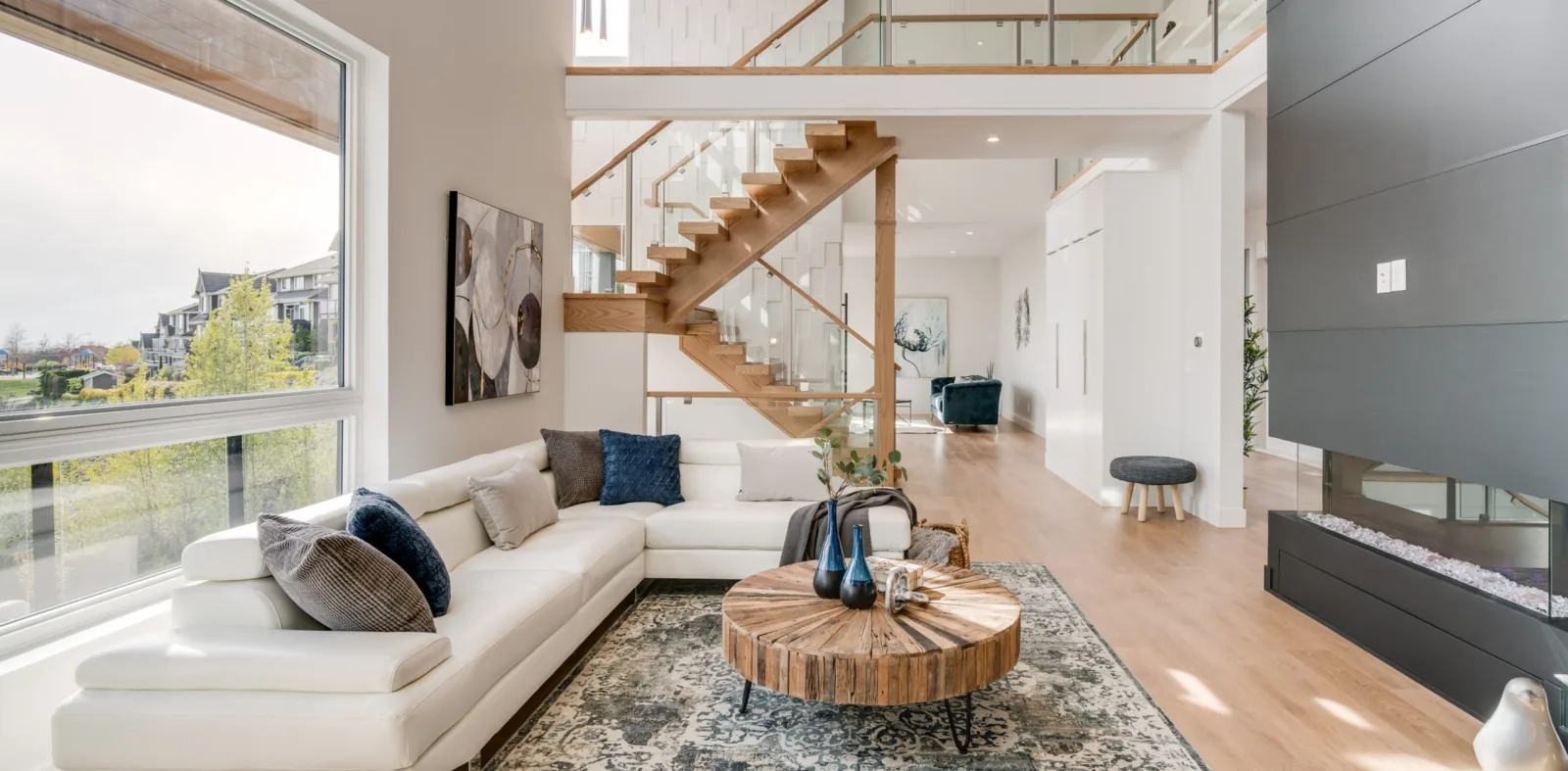
Bespoke Builds
Custom Homes
From foundation to finishing carpentry, homes designed and built around how you actually live, made with materials chosen to age beautifully.
Learn More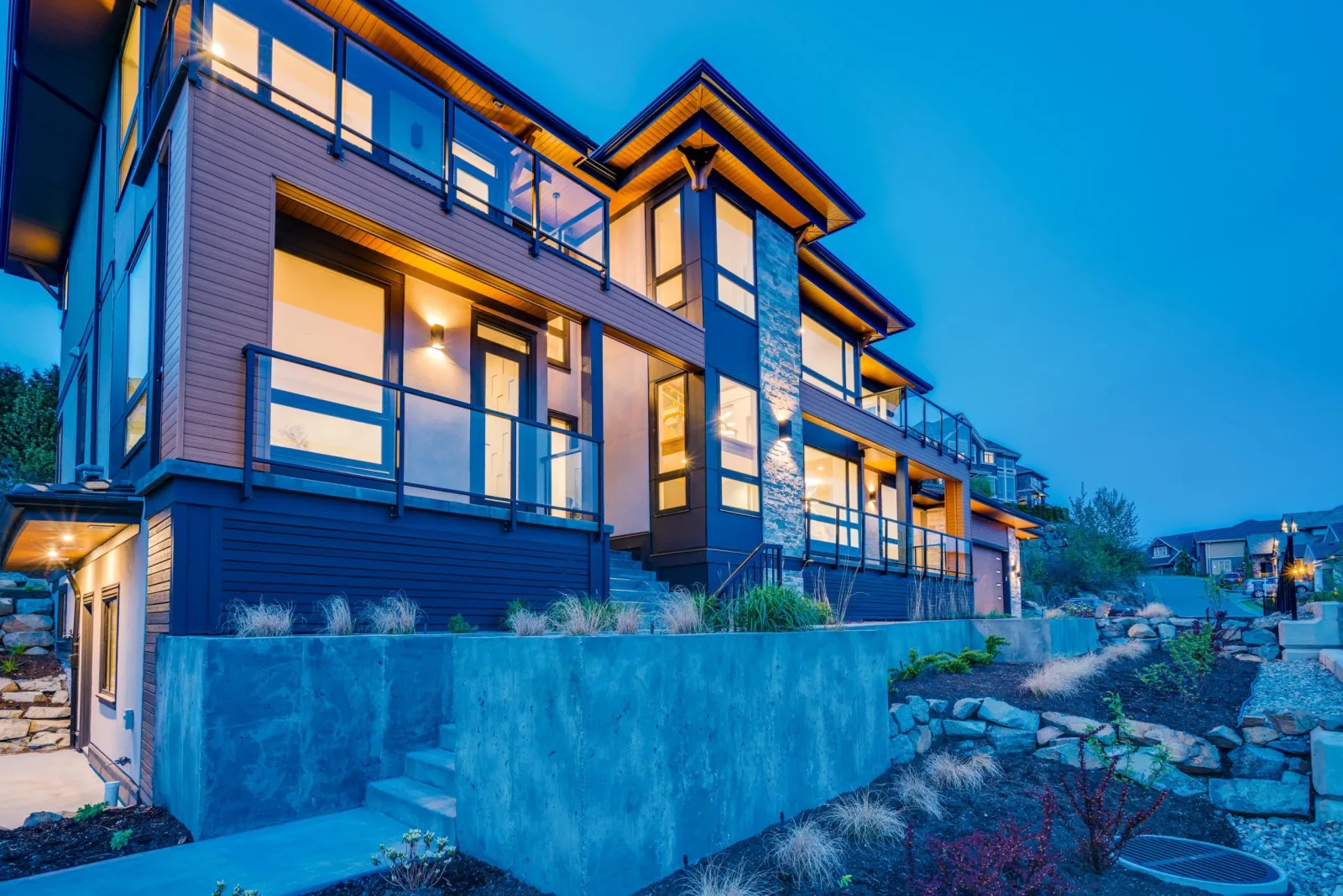
Density, Done Right
Multiplex Construction
Whether for family, tenants or future income, we deliver multiplex projects from rezoning through occupancy with the same craft we bring to single homes.
Learn More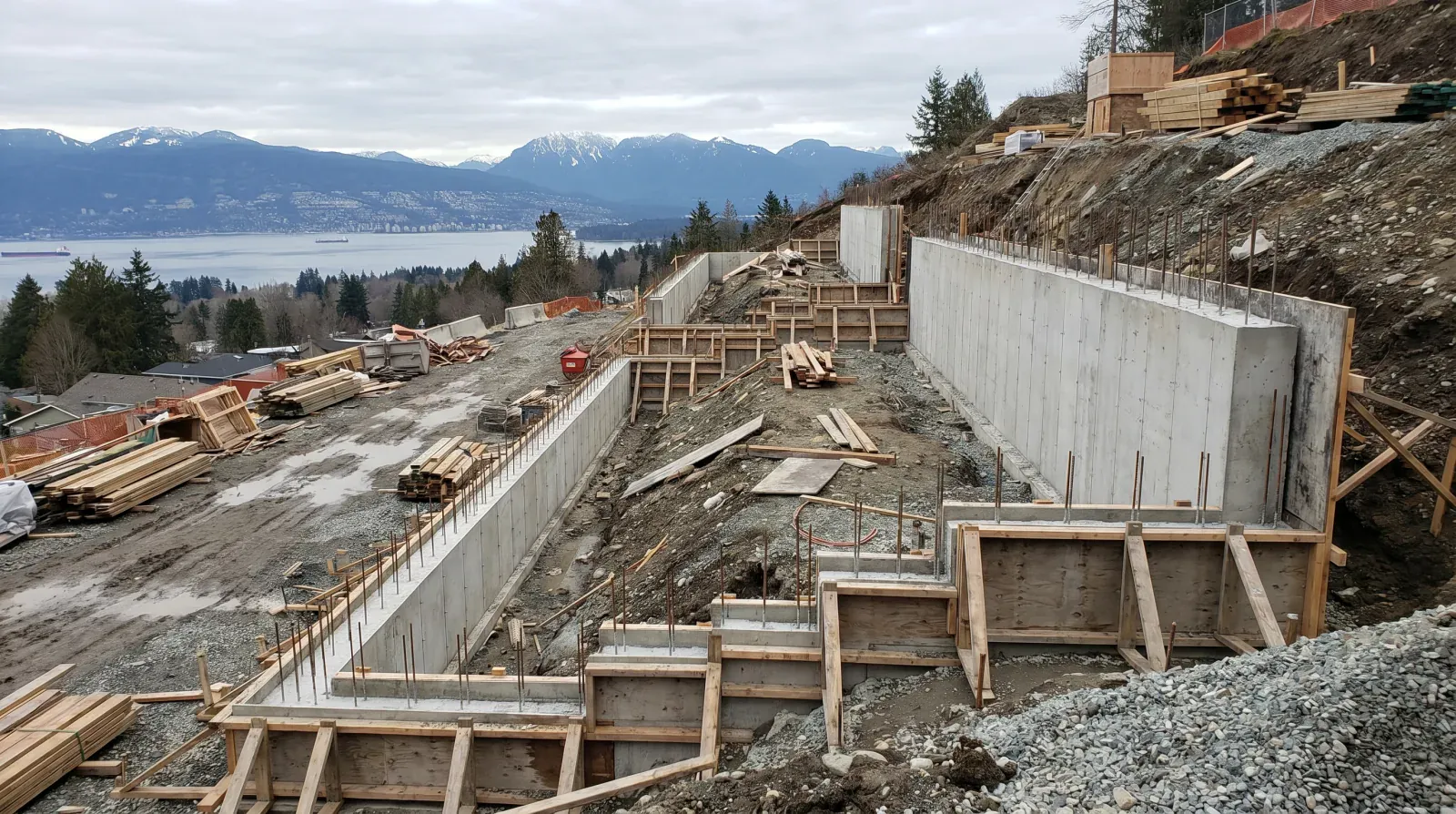
Slope, Soils & Views
Hillside Construction
Stepped foundations, geotechnical-driven retaining walls, hillside drainage, view-corridor bylaws, Burnaby's slope lots demand a builder with two decades of hillside experience. That's what we bring.
Learn More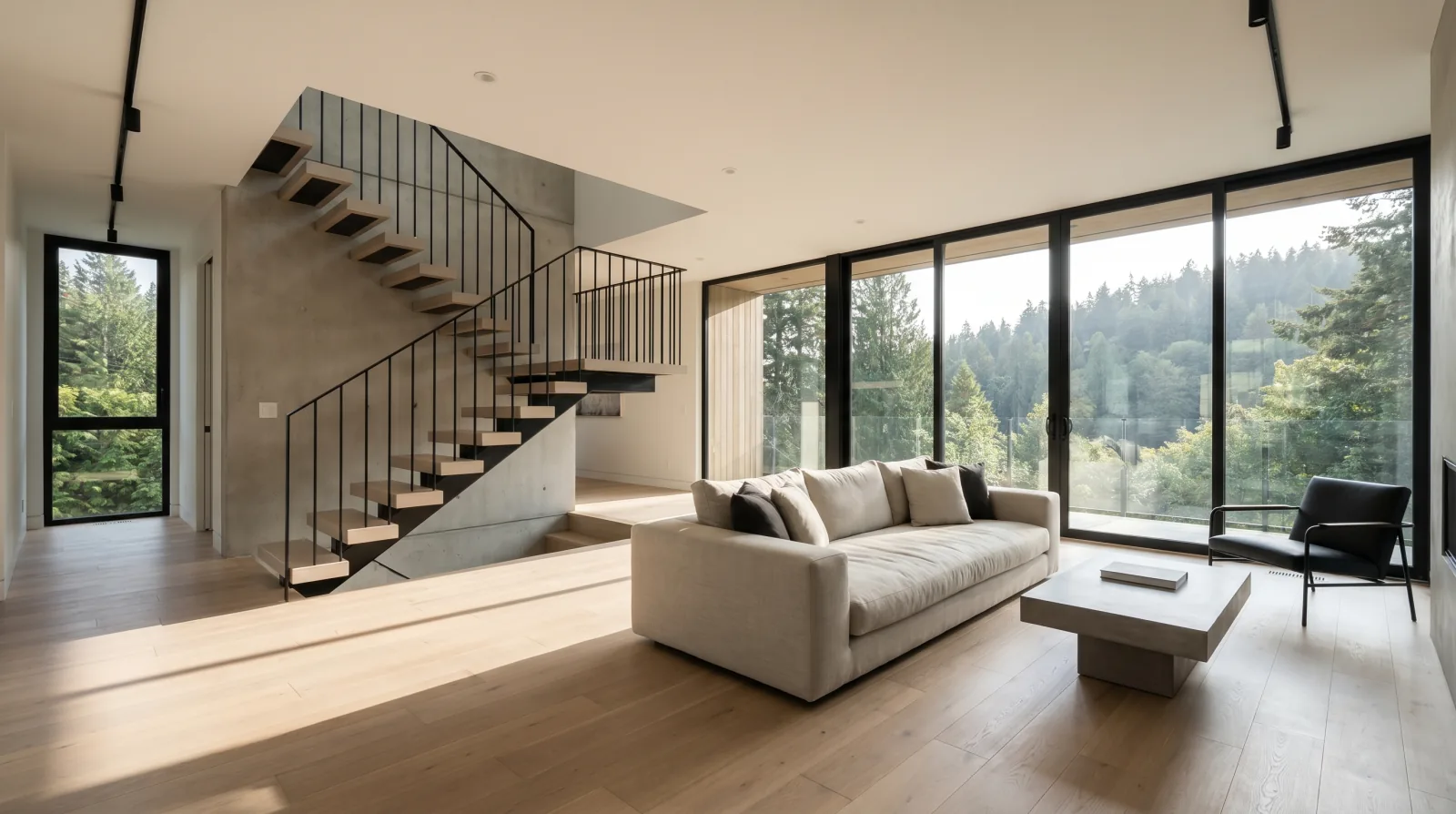
Renovate, Add or Rebuild
Whole-Home Renovation
Major renovations sit on a spectrum from cosmetic refresh to full structural overhaul. We help you find the right point on that spectrum, then build it.
Learn More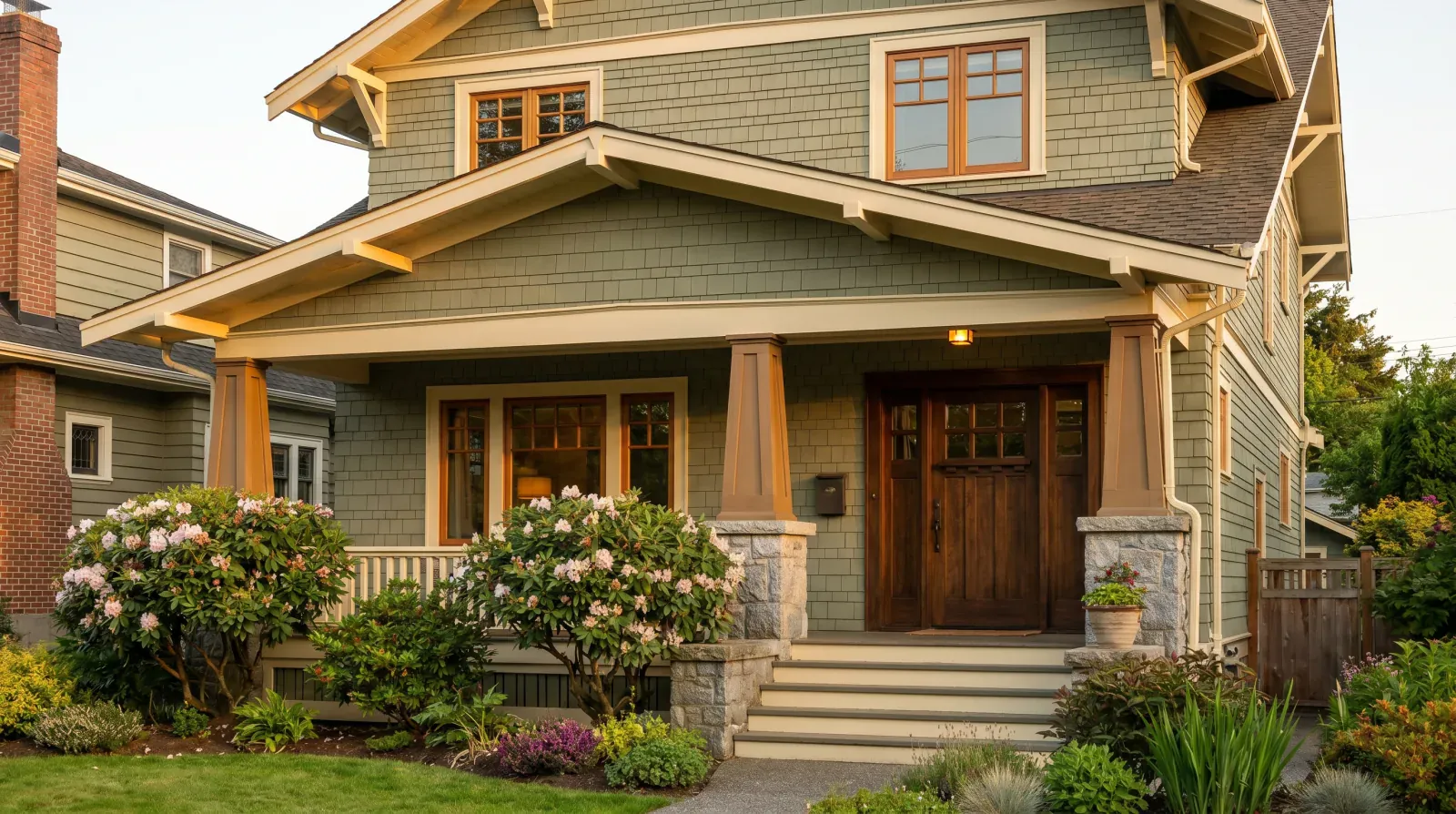
Character, Preserved
Heritage Restoration
Original siding profiles, salvaged fir, restored windows, sympathetic additions, heritage and character home restoration done at builder pace, not museum pace.
Learn More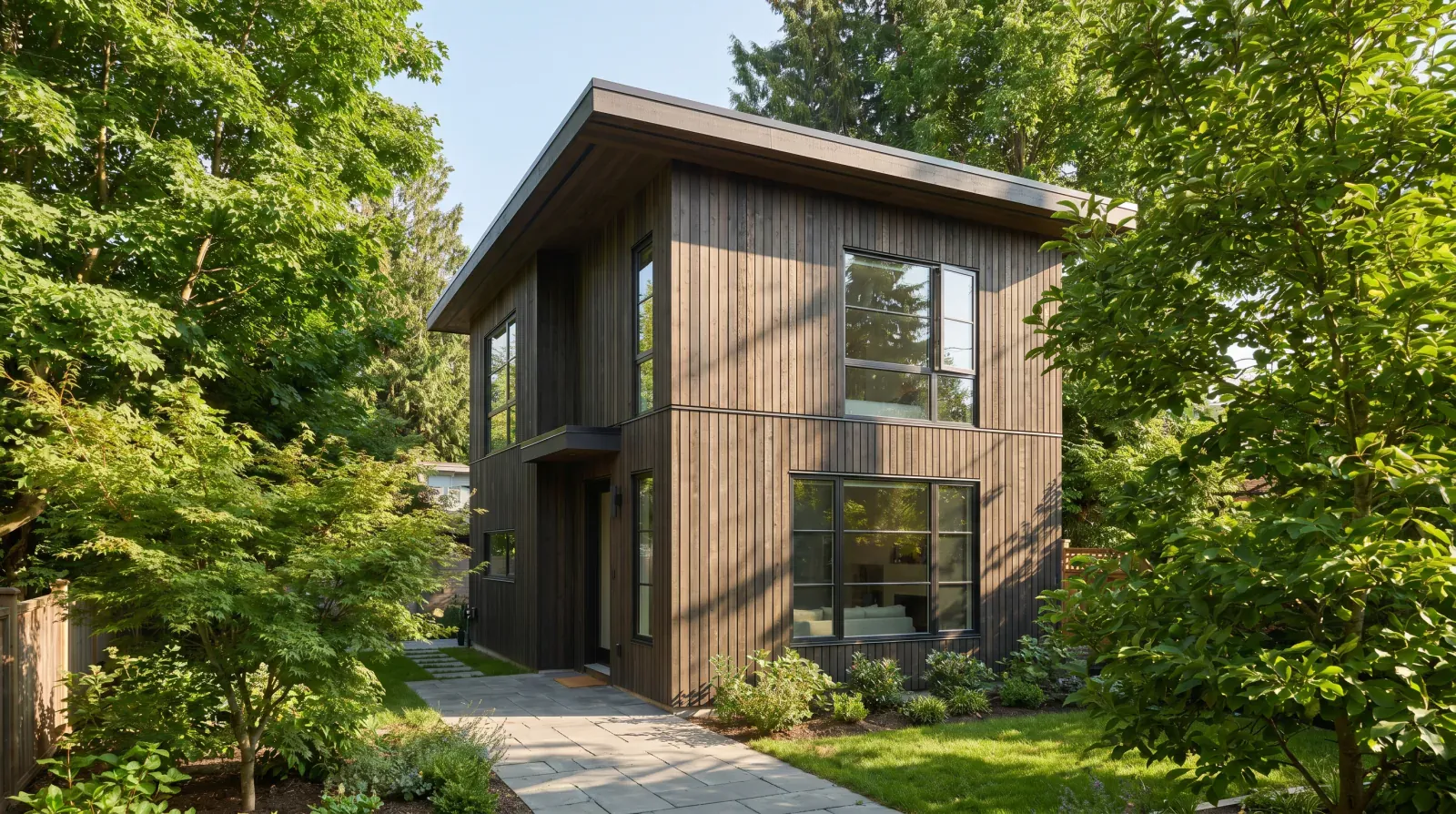
Secondary Dwellings, Done Right
Laneway & Coach Houses
Coach houses and laneway homes built with the same care as the main house, proper envelope, real kitchens, proper sound and fire separation between buildings.
Learn More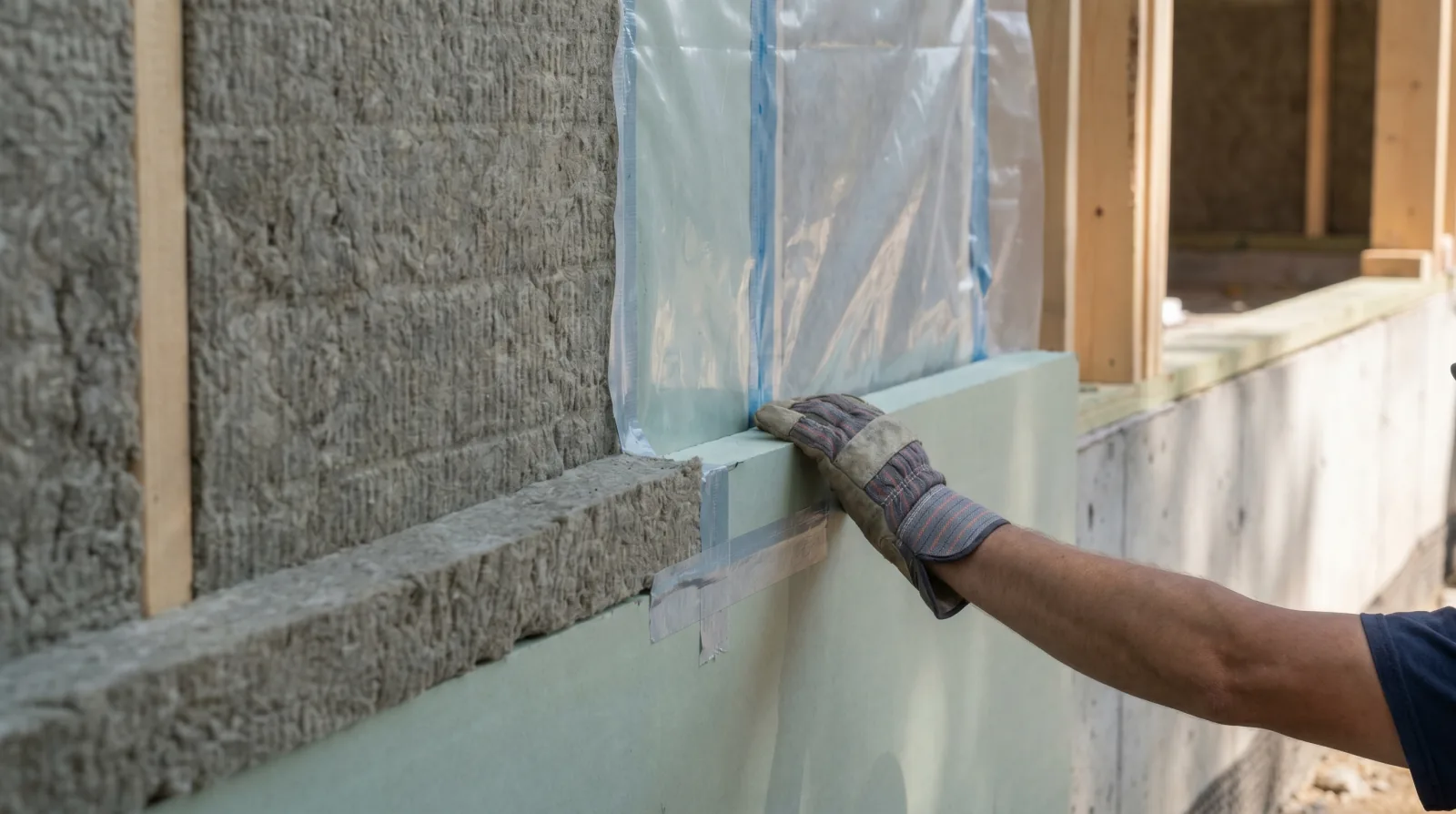
Highest-Performance Envelope
Passive House & Step 5
Step 5 envelopes, blower-door targets under 1.0 ACH₅₀, mineral-wool exteriors, heat-pump mechanical, HRV/ERV, high-performance homes built to certify, not just claim.
Learn More
Renovate, Kitchens
Kitchen Renovation
Refresh, reconfigure, or take walls down, we scope kitchen renovations honestly, then sequence them so you're not living without a sink longer than you have to.
Learn More
Renovate, Bathrooms
Bathroom Renovation
Tile, fixtures and finishes are the visible part. Waterproofing, ventilation and the plumbing routing under the floor are what decide whether the bathroom lasts.
Learn More
Renovate, Basements
Basement Renovation
Dampproofing, egress, mechanical, and an insulation strategy that actually works on a Burnaby slab. The cosmetic part is the easy part.
Learn More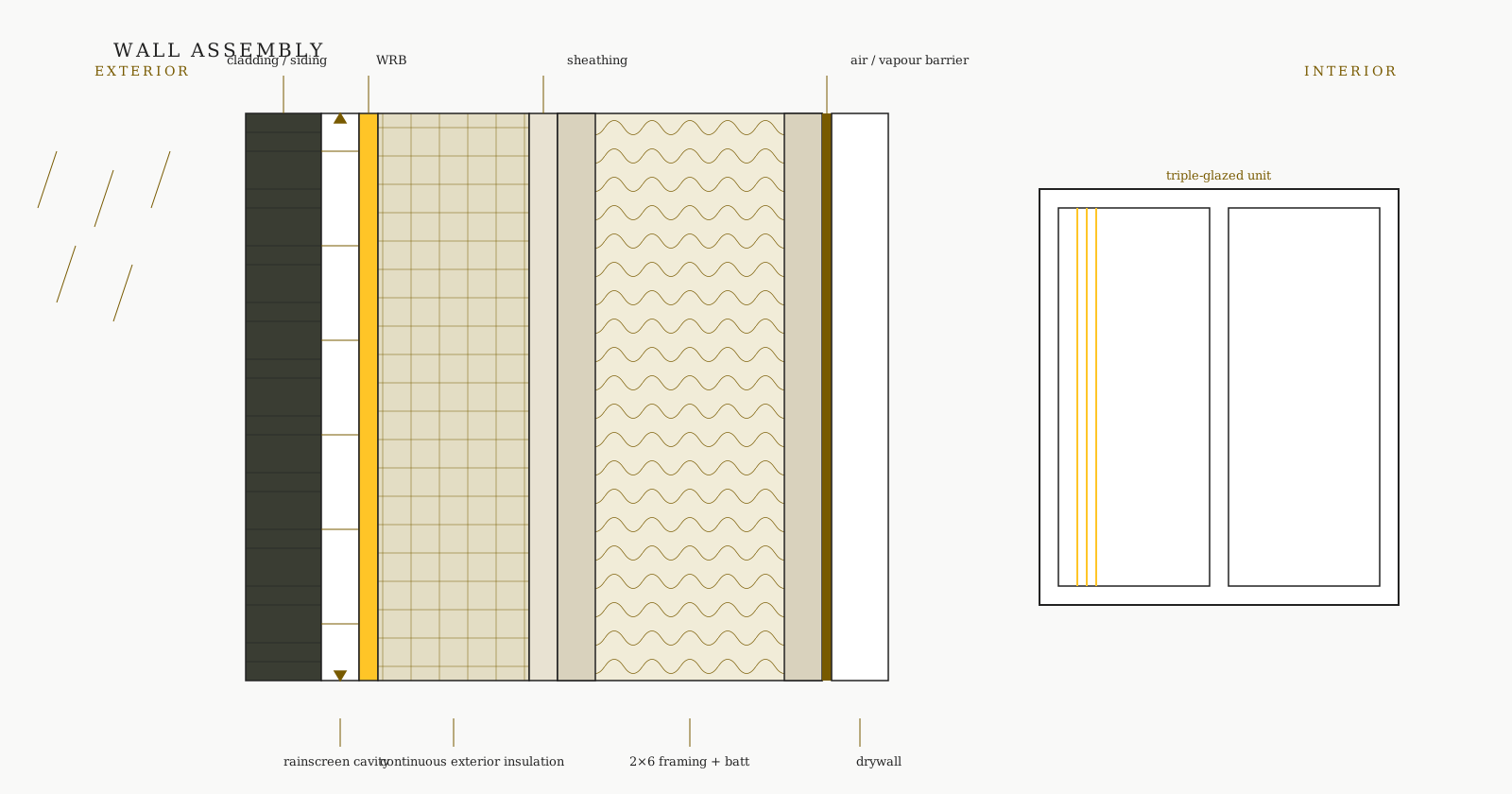
Renovate, Envelope
Exterior Envelope Renovation
Re-clad, retrofit a rainscreen, upgrade insulation, replace windows, envelope work is where most older Burnaby homes get a generation of life back.
Learn More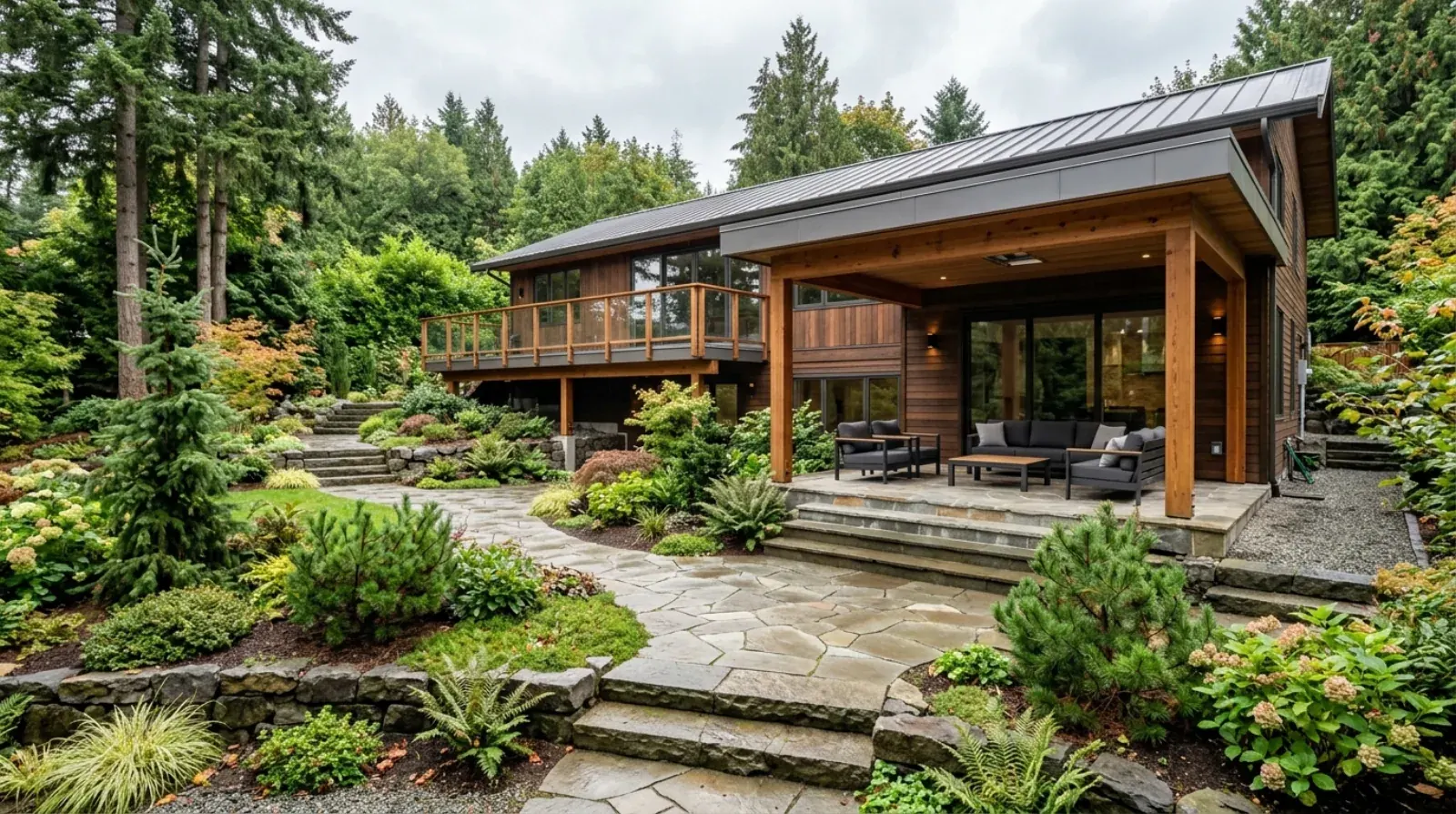
Decks, Grade Change & Privacy
Outdoor Living & Landscape
Decks, retaining walls, fencing, pools, and landscape lighting, planned alongside the house's own site plan and electrical rough-in, not added after the fact.
Learn MoreBegin
Discuss an addition
A short conversation is the fastest way to understand whether Icon is the right partner for your project.