
Secondary Dwellings, Done Right
Laneway & Coach Houses
A real second home, not a glorified garage.
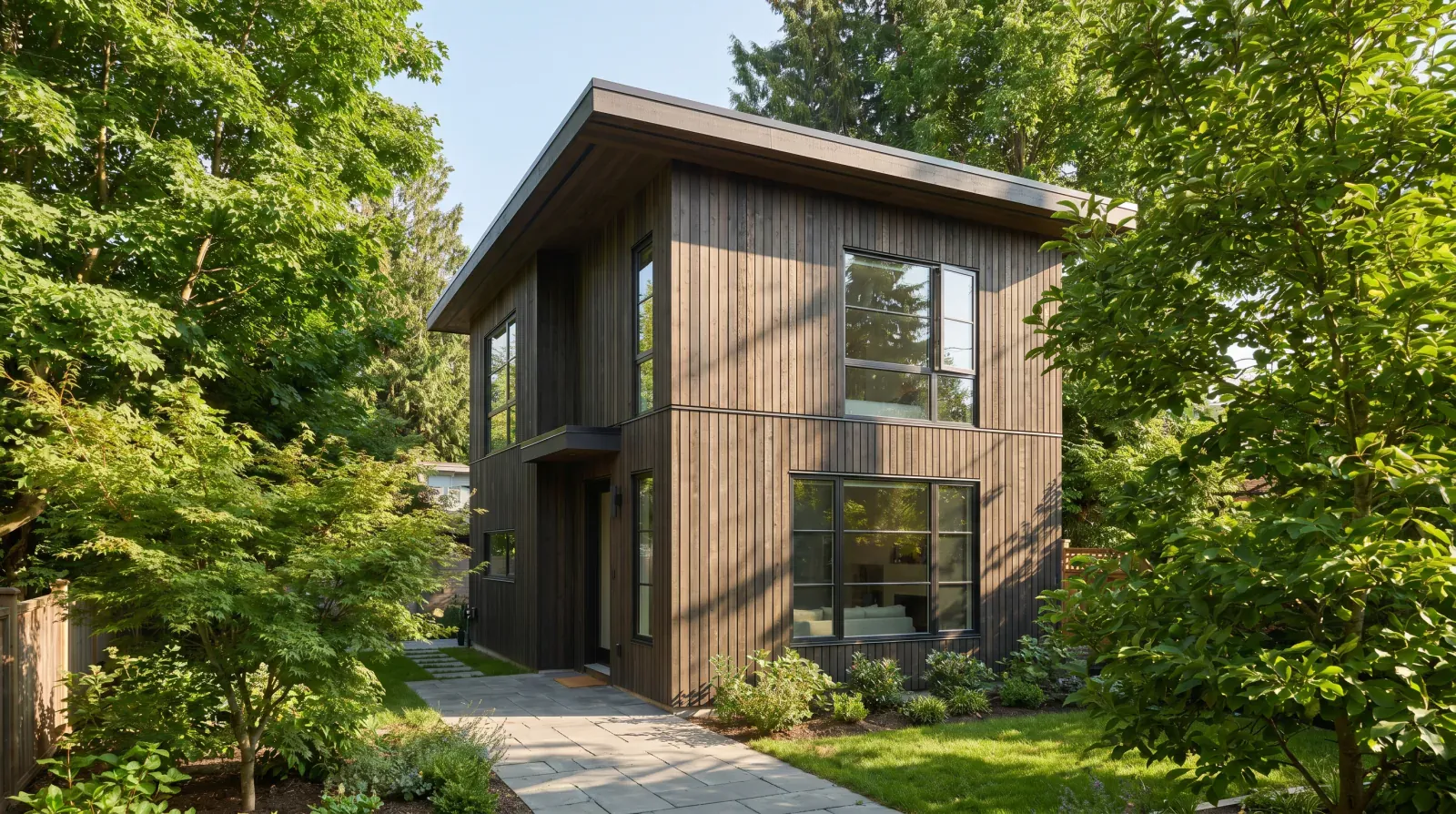
What does a coach house or laneway house builder do in Burnaby?
A coach house or laneway house builder plans and constructs a secondary dwelling at the rear of an existing lot, typically accessed from a lane. Icon Projects starts by running the numbers against the current City of Burnaby zoning bylaw, floor space ratio, setbacks from the rear lane, separation from the principal dwelling, height limits, parking, so the architect knows the actual buildable envelope before design begins. Because most older Burnaby lots were serviced for a single home, adding a laneway dwelling usually means tying into existing water, sewer, gas, and electrical services or running new ones, which we coordinate with the city's engineering department early since servicing is the most commonly under-budgeted line on these projects. We build the envelope, windows, and mechanical to the same standard as a primary residence, heat-pump mini-splits paired with a properly sized heat-recovery ventilator, and design the required fire and sound separation between the two buildings into the drawings from the start.
The Approach
How does Icon Projects handle laneway & coach houses?
Burnaby's secondary-suite and laneway-house rules opened up a real opportunity to add livable space to a single lot, for adult kids, aging parents, a long-term tenant, or future flexibility. The trick is treating the laneway or coach house as a real piece of architecture, not as a tacked-on outbuilding. The lot is small, the access is constrained, the servicing is non-trivial, and the finish quality matters more here than anywhere else because every square foot is on display.
The Process
What are the steps in Icon Projects' laneway & coach houses process?
Every laneway & coach houses engagement runs through the same four-stage rhythm, refined over two decades of builds.
- 01
Lot fit, setbacks and FSR
Before any design work, we run the numbers against the City of Burnaby zoning bylaw, floor space ratio, setbacks from the rear lane, separation from the principal dwelling, height limits, parking. A laneway house that doesn't fit the envelope wastes months in revision. We do this analysis in the first week so the architect knows the box they're designing inside and the owner knows what's actually possible.
- 02
Servicing: water, sewer, gas, electrical
Most older Burnaby lots were serviced for a single home. Adding a laneway dwelling means tying into existing services or running new ones, which can mean trenching from the street, upgrading the panel in the main house, or paying for a separate water meter. We coordinate with the city's engineering department early, because servicing costs are the most commonly under-budgeted line on laneway projects and the timeline is dictated by utility scheduling, not ours.
- 03
Site logistics on a small backyard
Building in someone's backyard is a constrained-site problem. The main house is usually still occupied, the access is through a single gate or an alley, and there's nowhere to stage materials. We sequence the build so the heavy work happens early, excavation, foundation, framing, before the site gets too tight, and we coordinate deliveries to keep the family's driveway, garden and daily life functional. Site protection of the principal dwelling is non-negotiable.
- 04
Real envelope, real mechanical
The temptation on a 700-square-foot dwelling is to value-engineer the envelope. We don't. The wall assembly, the windows, the airtightness, the heat-recovery ventilation, all of it gets the same standard as the main house. Small homes are unforgiving when the envelope underperforms; comfort and energy bills both punish shortcuts. Heat-pump mini-splits with a proper HRV is our default mechanical strategy, sized for the actual load.
- 05
Sound and fire separation between buildings
A laneway home is a separate dwelling unit, and the BC Building Code applies the same fire and sound separation rules between it and the main house as it would between two attached units. Spatial separation, exposed-face limits, fire-rated cladding where the buildings get close, these get designed in, not retrofitted. We coordinate the BC Building Code analysis with the architect so the permit goes in clean.
- 06
Finish quality where every inch shows
On a small footprint, every cabinet line, every tile transition, every window head height is visible from across the room. We treat laneway homes with the same finish standard as a primary residence, built-ins where storage is tight, real materials, kitchens that work for actual cooking. The finished product should make a guest forget they're in a 'secondary' dwelling.
From the Journal
Further reading on laneway & coach houses.
Common Questions
Frequently asked questions about laneway & coach houses.
The terms are largely interchangeable in Burnaby's context, both describe a secondary dwelling unit built at the rear of a lot, typically accessed from a lane. 'Coach house' is the term used more often in Burnaby's own zoning language, while 'laneway house' is the more common regional term. Both are subject to the same setback, floor space ratio, and servicing requirements under the city's secondary-dwelling bylaws.
The buildable footprint depends on lot size, floor space ratio, setbacks from the rear lane and side property lines, and required separation from the principal dwelling. We run this analysis against the current City of Burnaby zoning bylaw in the first week of any laneway project, so the architect knows the actual buildable envelope before design work begins rather than after.
Most older Burnaby lots were serviced for a single home, so adding a laneway dwelling typically means tying into existing water, sewer, gas, and electrical services or running new ones. This can require trenching from the street, a panel upgrade in the main house, or a separate water meter. Servicing is the most commonly under-budgeted line item on laneway projects, and the timeline depends on the city's utility scheduling.
Yes, in most cases. We sequence the build so heavy work, excavation, foundation, framing, happens early before the backyard site becomes too tight for material staging, and we coordinate deliveries to keep the family's driveway and daily routine functional. Site protection of the principal dwelling during construction is treated as a non-negotiable part of the plan.
A laneway home is a separate dwelling unit, so the BC Building Code applies the same fire and sound separation requirements between it and the main house as it would between two attached units. Spatial separation, exposed-face limits, and fire-rated cladding where the buildings sit close together are designed into the drawings from the start rather than retrofitted later.
Our default approach is a heat-pump mini-split system paired with a properly sized heat-recovery ventilator, sized for the dwelling's actual load. Small homes are unforgiving when the envelope or mechanical system underperforms, so we don't value-engineer the wall assembly, windows, or ventilation on a laneway house even though the footprint is small.
A laneway house can be used for family members, a long-term tenant, or as flexible future space, depending on the owner's intent and the zoning classification under which it was permitted. Confirm current occupancy and rental rules with the City of Burnaby at the permit stage, since secondary-dwelling bylaws are updated periodically.
Timeline depends on servicing complexity, lot access, and permit review time, servicing work in particular is dictated by utility scheduling rather than the construction schedule alone. We give a realistic range once we've assessed the lot's existing services and confirmed the buildable envelope against zoning.
Continue Exploring
Other services.

Vision & Permitting
Planning
Every build starts with clarity. We translate intent into permit-ready drawings, navigating zoning, feasibility and budgeting before a single shovel touches the ground.
Learn More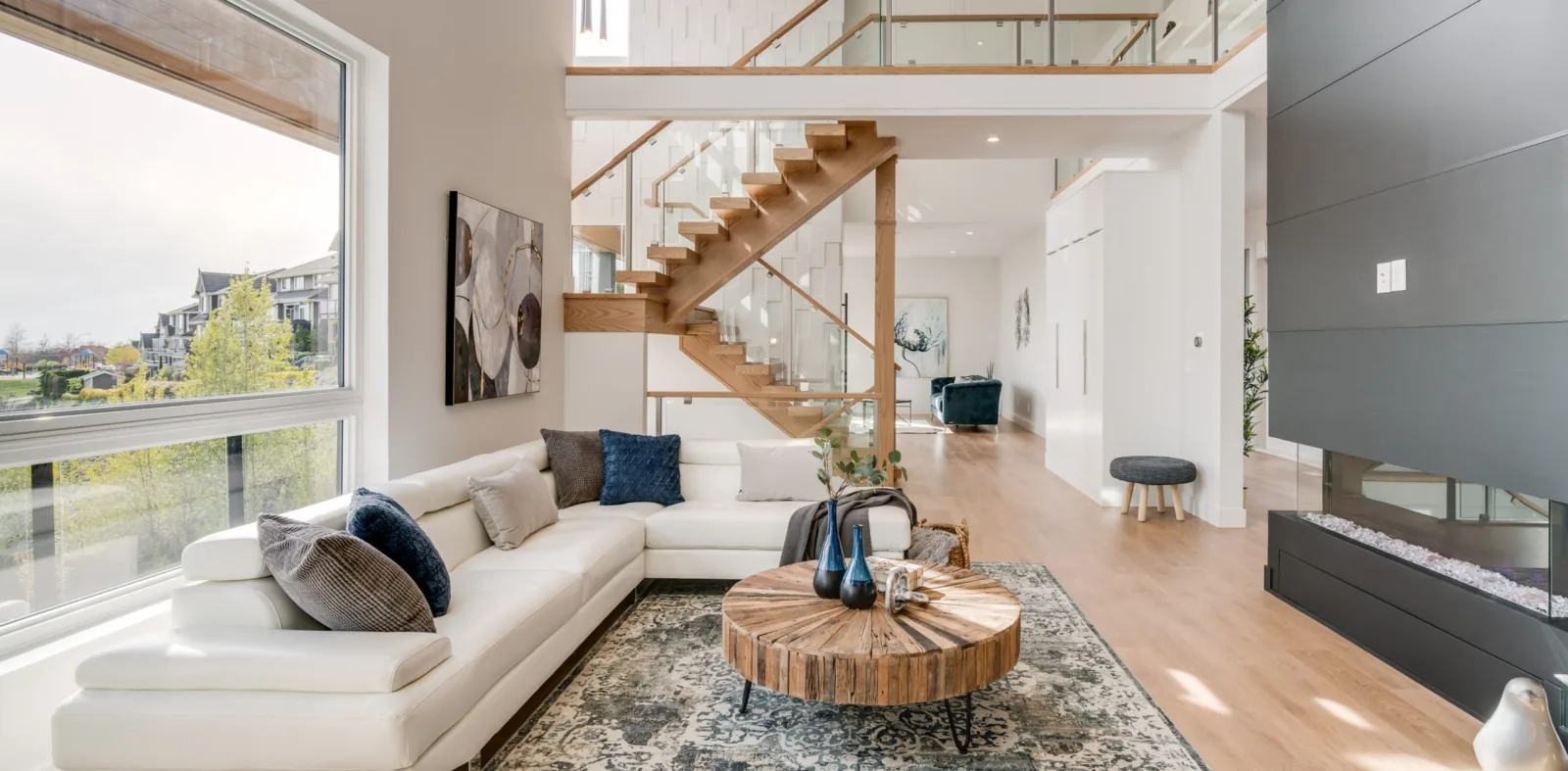
Bespoke Builds
Custom Homes
From foundation to finishing carpentry, homes designed and built around how you actually live, made with materials chosen to age beautifully.
Learn More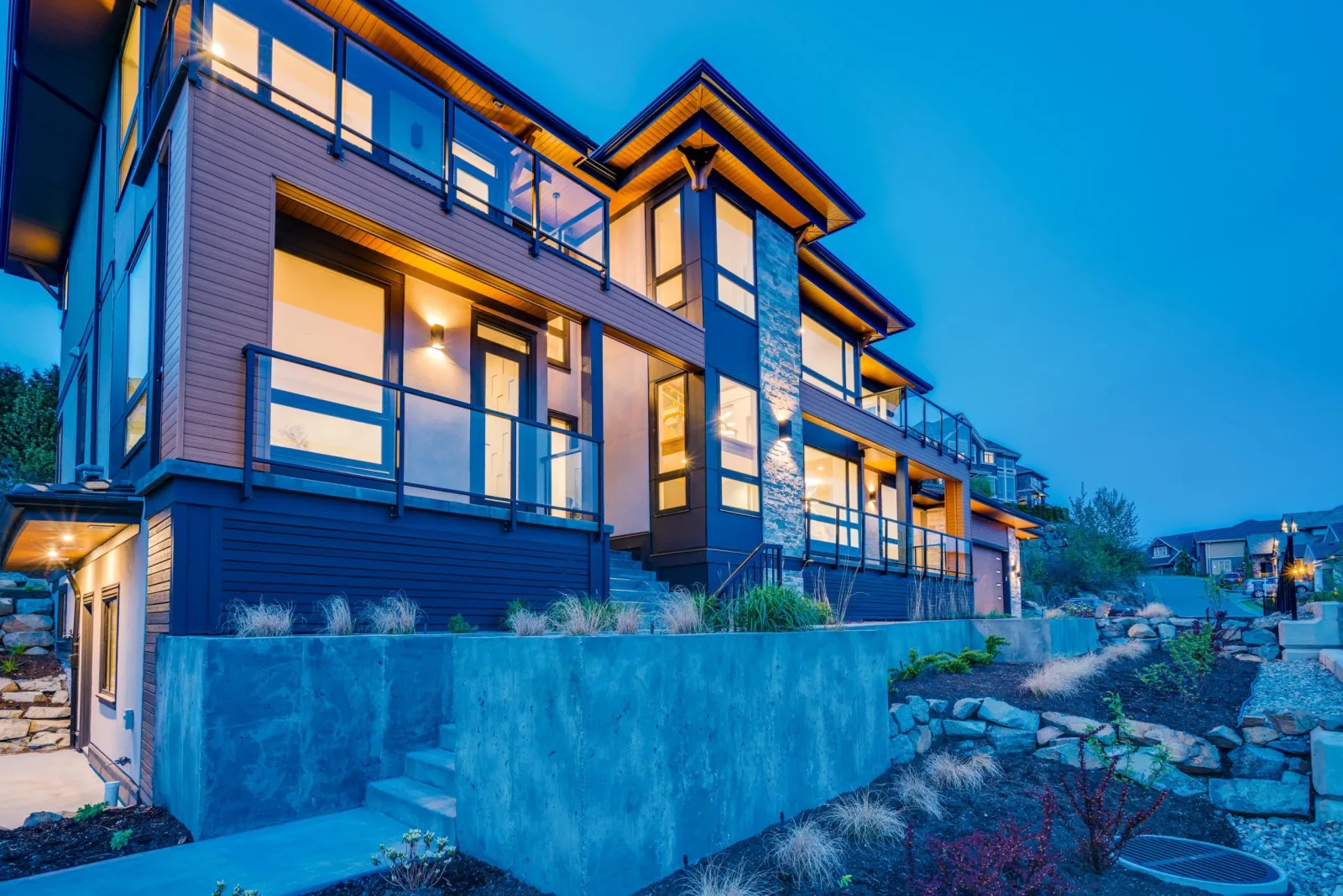
Density, Done Right
Multiplex Construction
Whether for family, tenants or future income, we deliver multiplex projects from rezoning through occupancy with the same craft we bring to single homes.
Learn More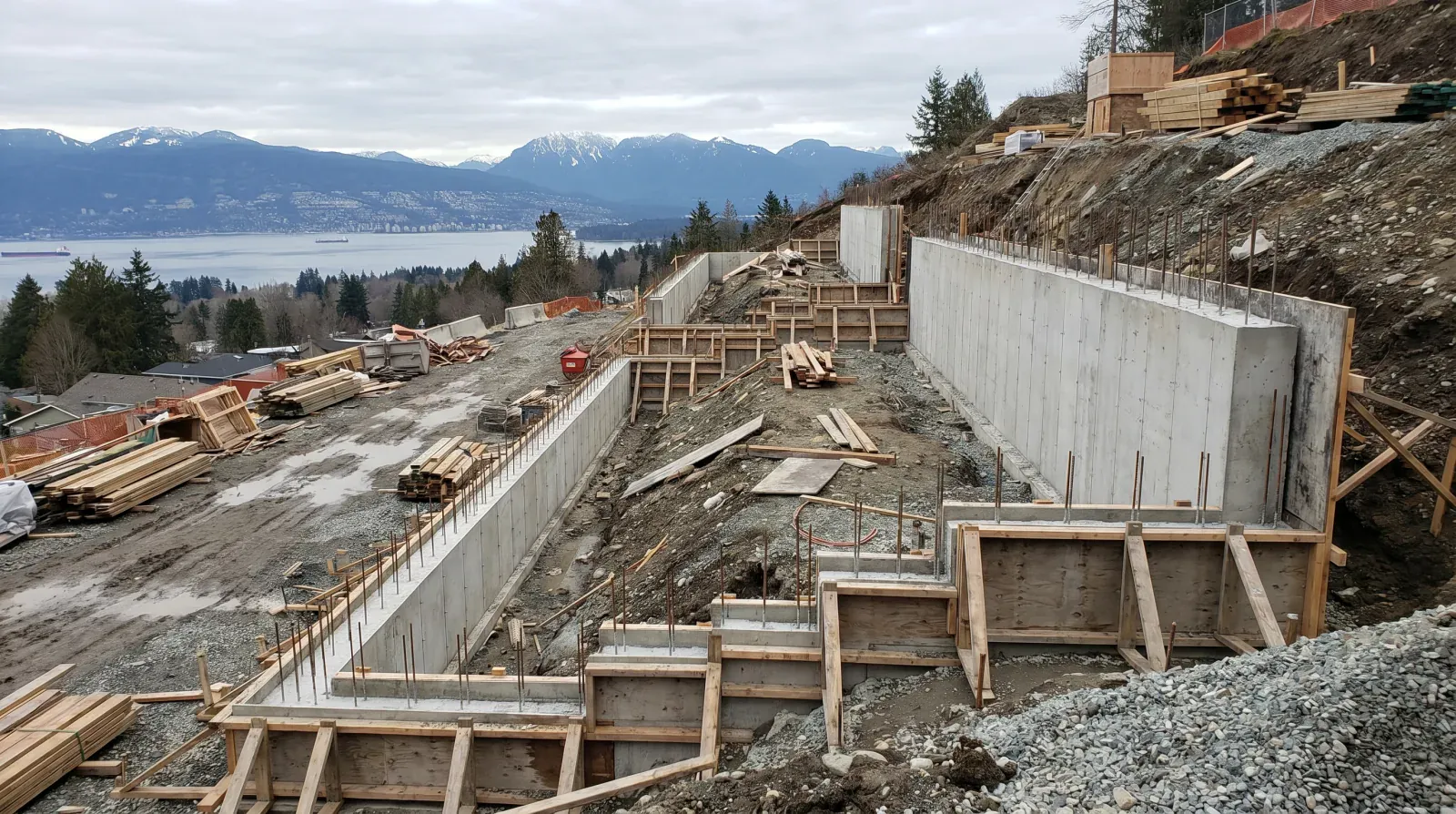
Slope, Soils & Views
Hillside Construction
Stepped foundations, geotechnical-driven retaining walls, hillside drainage, view-corridor bylaws, Burnaby's slope lots demand a builder with two decades of hillside experience. That's what we bring.
Learn More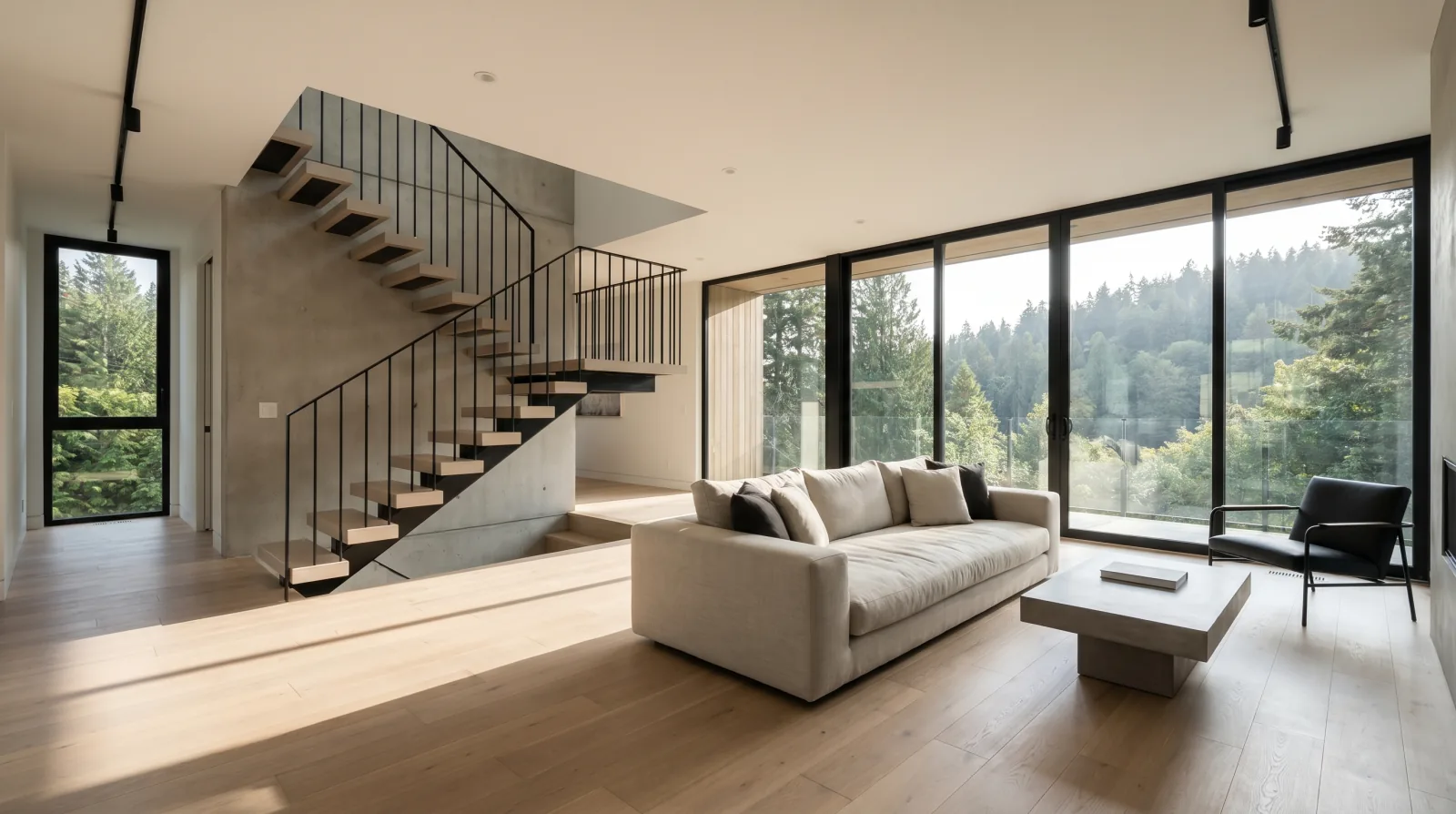
Renovate, Add or Rebuild
Whole-Home Renovation
Major renovations sit on a spectrum from cosmetic refresh to full structural overhaul. We help you find the right point on that spectrum, then build it.
Learn More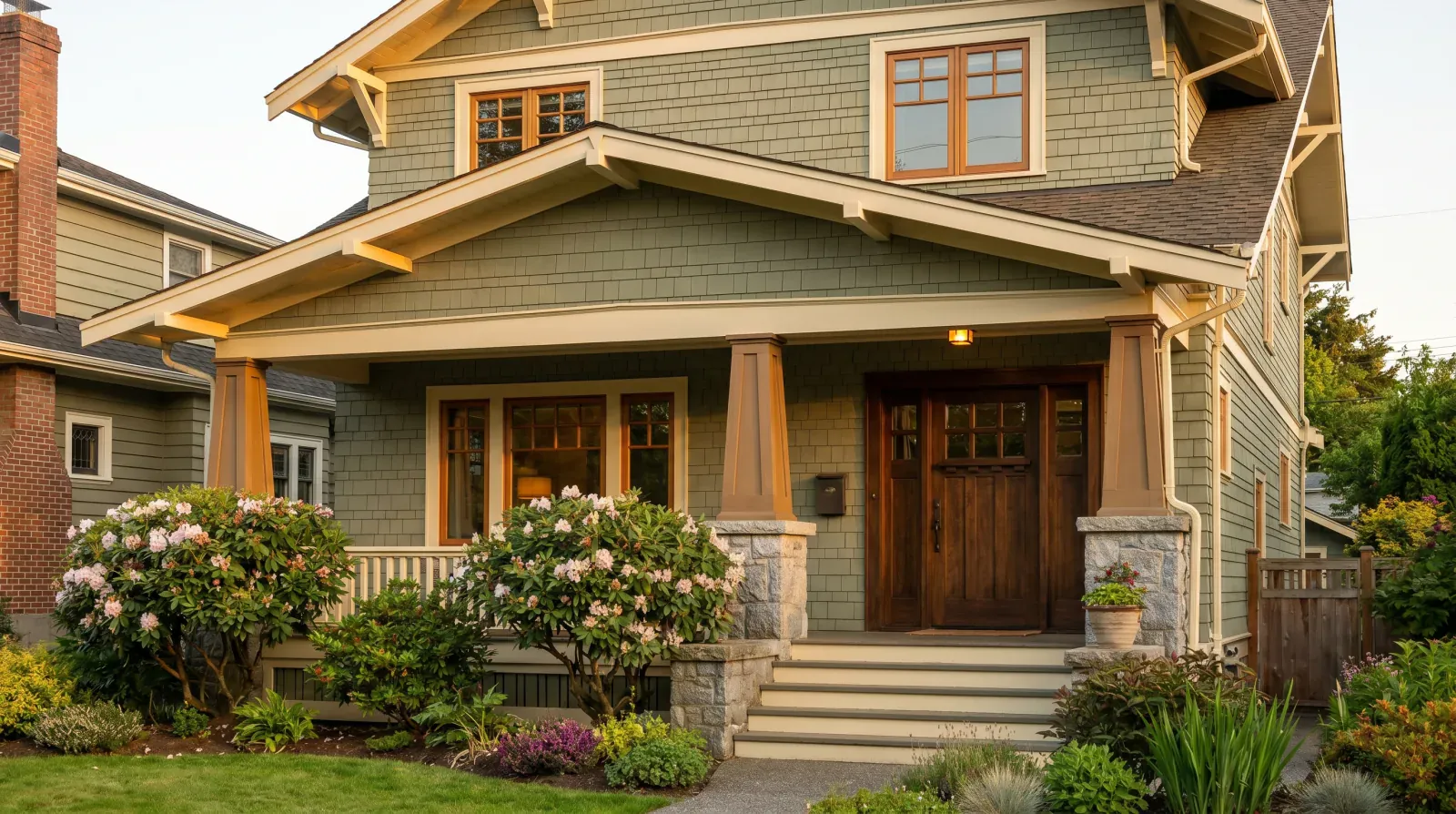
Character, Preserved
Heritage Restoration
Original siding profiles, salvaged fir, restored windows, sympathetic additions, heritage and character home restoration done at builder pace, not museum pace.
Learn More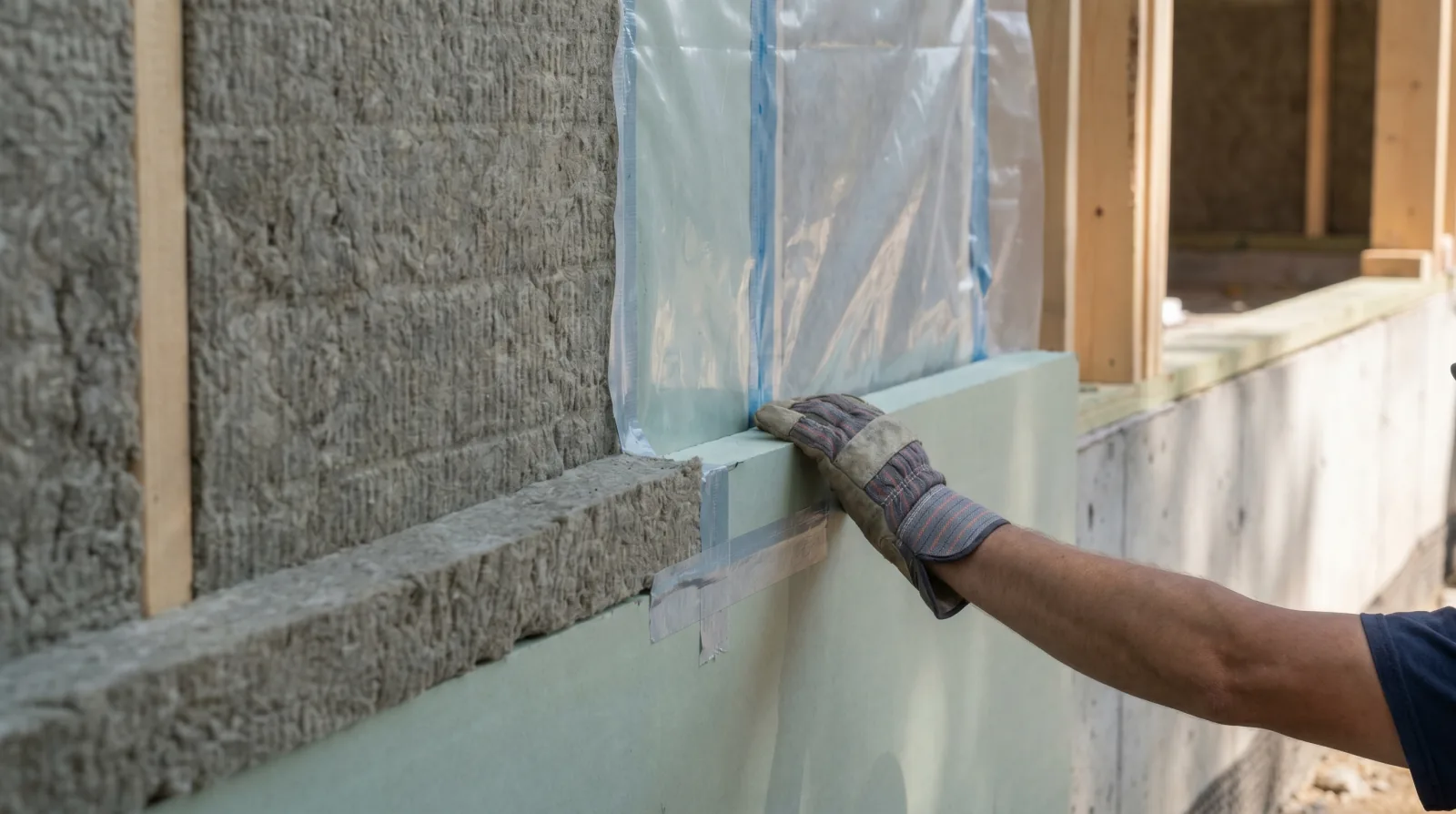
Highest-Performance Envelope
Passive House & Step 5
Step 5 envelopes, blower-door targets under 1.0 ACH₅₀, mineral-wool exteriors, heat-pump mechanical, HRV/ERV, high-performance homes built to certify, not just claim.
Learn More
Renovate, Kitchens
Kitchen Renovation
Refresh, reconfigure, or take walls down, we scope kitchen renovations honestly, then sequence them so you're not living without a sink longer than you have to.
Learn More
Renovate, Bathrooms
Bathroom Renovation
Tile, fixtures and finishes are the visible part. Waterproofing, ventilation and the plumbing routing under the floor are what decide whether the bathroom lasts.
Learn More
Renovate, Basements
Basement Renovation
Dampproofing, egress, mechanical, and an insulation strategy that actually works on a Burnaby slab. The cosmetic part is the easy part.
Learn More
Renovate, Add Space
Additions
Over-builds, rear extensions, second-storey adds, additions only work when the connection between new and existing is engineered, not improvised.
Learn More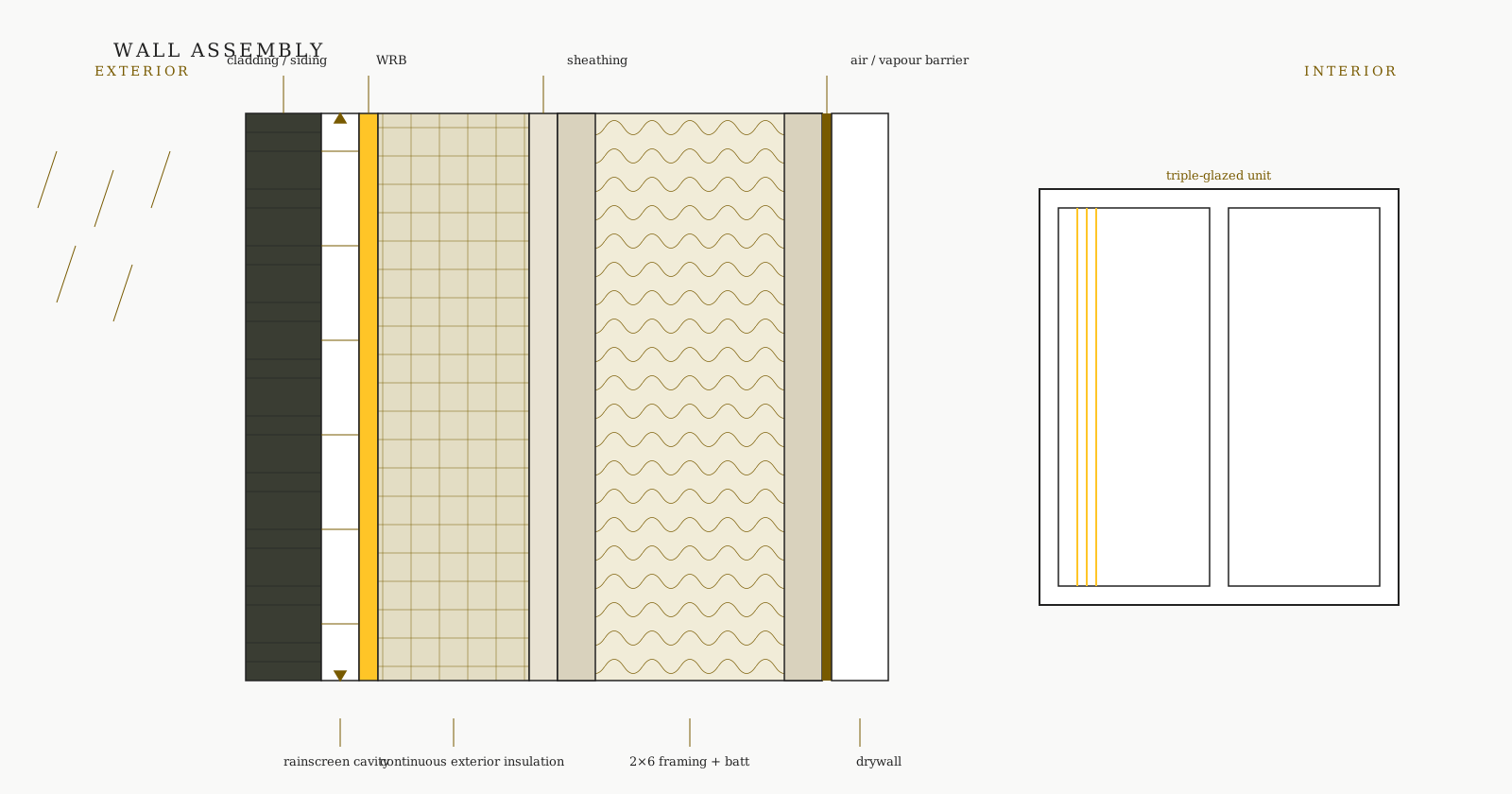
Renovate, Envelope
Exterior Envelope Renovation
Re-clad, retrofit a rainscreen, upgrade insulation, replace windows, envelope work is where most older Burnaby homes get a generation of life back.
Learn More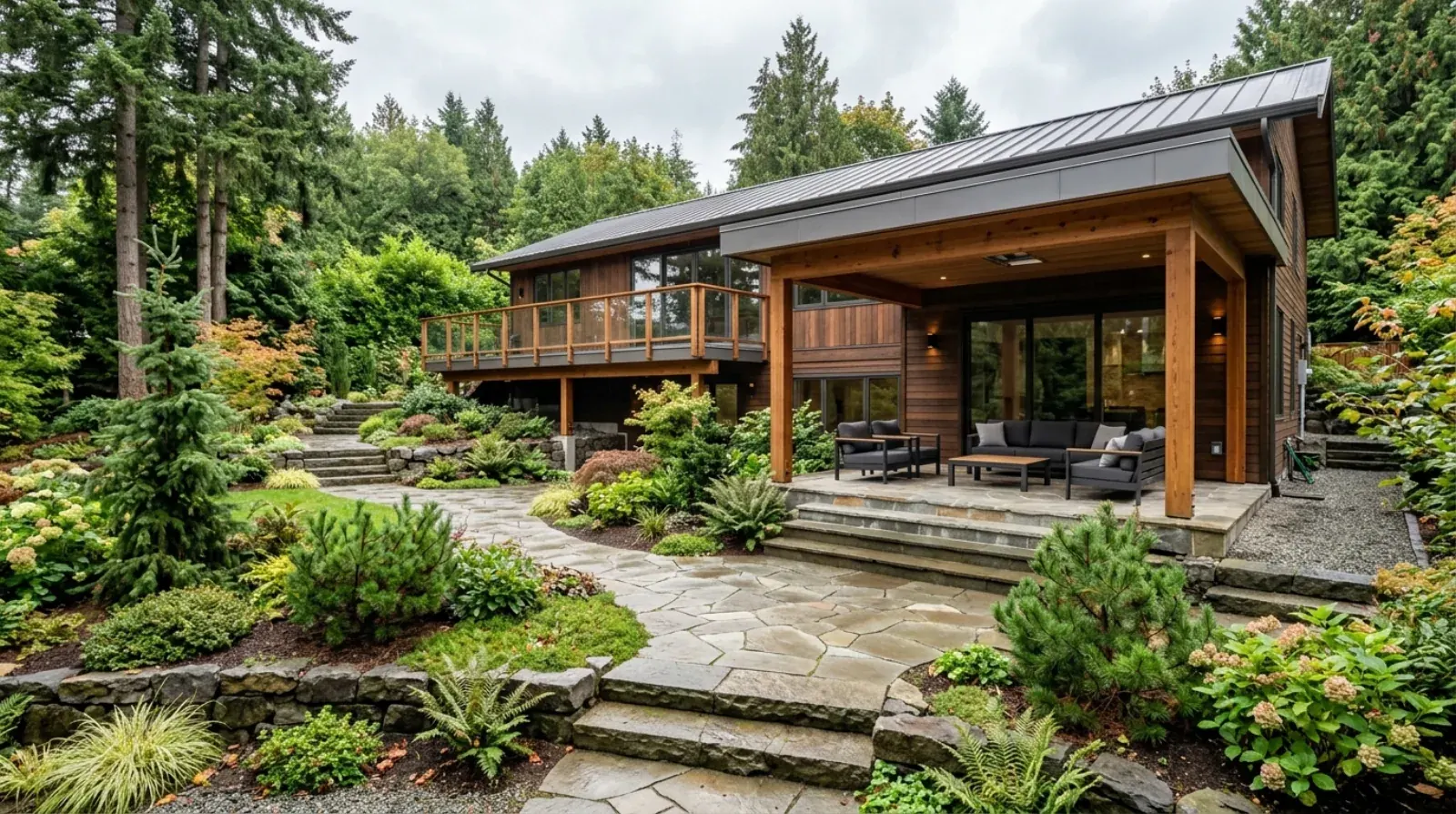
Decks, Grade Change & Privacy
Outdoor Living & Landscape
Decks, retaining walls, fencing, pools, and landscape lighting, planned alongside the house's own site plan and electrical rough-in, not added after the fact.
Learn MoreBegin
Plan a laneway home
A short conversation is the fastest way to understand whether Icon is the right partner for your project.