
Renovate, Basements
Basement Renovation
Finish it properly, or don't finish it at all.

What does finishing a basement in an older Burnaby home involve?
Finishing an older Burnaby basement, the 1950s-60s ranchers and 1970s split-levels built with unconditioned utility space, is a building-science project before it's a cosmetic one. Icon Projects reads the moisture story first: efflorescence, staining at the slab-wall joint, musty odour, or condensation on pipes each signal how water is moving in and out, and we address the source, regrading, perimeter drain work, or interior dampproofing, before any framing goes up. If the basement will contain a bedroom, BC Building Code requires an egress window in each sleeping room, sized for occupant escape and emergency-responder entry, which on many older foundations means cutting an enlarged opening and excavating a window well. A basement rec room is part of the principal dwelling, while a legal secondary suite is a self-contained unit that must be registered under Burnaby's secondary suite program, with its own entry, alarm interconnection, fire separation, and parking requirements, so we design to whichever outcome is the actual goal from the start.
The Approach
How does Icon Projects handle basement renovation?
Burnaby's older housing stock, the 1950s and 60s ranchers, the 70s split-levels, the 80s tudor-ish two-storeys, was built when basements were unconditioned utility space. Half-height windows, no insulation, a bare concrete slab, a single perimeter drain that was new when the Beatles were touring. Finishing one of those basements properly in 2026 isn't a cosmetic project. It's a building-science project that happens to result in a rec room or a suite. The Lower Mainland's wet-coastal climate punishes basements that were finished without addressing moisture, and we've seen enough finished basements peeled back to studs after five years to know which corners aren't worth cutting.
The Process
What are the steps in Icon Projects' basement renovation process?
Every basement renovation engagement runs through the same four-stage rhythm, refined over two decades of builds.
- 01
Moisture first, what the basement is telling you
Before any framing goes up, we read the moisture story. Visible efflorescence on the foundation walls, staining at the slab-wall joint, musty smell after a long rain, condensation on cold-water pipes, each one tells us something about how water is moving in and out. The fix can range from regrading the soil around the house and extending the downspouts, to installing or upgrading the perimeter drain, to applying interior dampproofing membranes before insulation goes on. On homes built before perimeter drains were standard, we sometimes recommend exterior excavation and new drain tile before finishing, it's invasive, but it's much less invasive than tearing out a finished basement in seven years.
- 02
Egress and BC code for habitable basements
If the basement is going to contain a bedroom, for a kid, a guest suite, or a secondary suite, BC Building Code requires an egress window in each sleeping room sized to allow occupant escape and emergency-responder entry. The exact unobstructed opening dimension and sill-height limit are spelled out in the current BC Building Code; we confirm the spec with your designer against the current edition rather than working from memory. On most older Burnaby basements that means cutting an enlarged window opening in the foundation wall and excavating a window well outside, a project in itself, with structural lintels above the new opening and a code-compliant ladder if the well is deep enough to require one.
- 03
Headroom and structural lowering
Basements in older Burnaby homes often have ceiling heights that don't meet the minimum required by BC code for habitable space, sometimes by inches, sometimes by more. The two paths are: design around the existing slab and accept that some rooms (storage, mechanical) live in non-habitable space, or lower the slab. Slab lowering is a real piece of work, under-pinning the existing footings, breaking out and removing the old slab, excavating, pouring a new slab at the lower elevation. It's the kind of project where the math has to work, because it's never trivial. We'll walk you through it honestly before recommending it.
- 04
Secondary suite vs. rec room, Burnaby suite rules
A rec room is part of the principal dwelling; a secondary suite is a self-contained dwelling unit with its own kitchen, bathroom, and entry, and in Burnaby it requires registration as a legal secondary suite under the city's secondary suite program. The bylaws cover separate entry, smoke and CO alarm interconnection, fire separation between the suite and the main dwelling, parking requirements, and limits on suite size. We work the scope against the city's current secondary-suite requirements early, designing a suite that almost qualifies and then trying to fix it at final inspection is the worst path. If a suite is the goal, the plans go in as a suite from the start.
- 05
Envelope and insulation, the renovation opportunity
When the basement is open to studs is the only practical moment to upgrade the envelope below grade. Continuous rigid insulation on the interior face of the foundation walls (with the right vapour-control strategy for an inboard-of-concrete assembly), insulation under any new slab where applicable, and air-sealed rim joists at the floor-above transition. Done together, these change a basement from a heat sink into conditioned space that doesn't drag the whole house's energy bill up. Mechanical follows from there, extending the home's existing heat pump or furnace, adding a dedicated zone, or running a small mini-split for the basement rec area depending on layout. Skipping the envelope upgrade because 'we just want to finish it cheap' is how we end up redoing the basement in eight years.
From the Journal
Further reading on basement renovation.
Common Questions
Frequently asked questions about basement renovation.
Burnaby's older housing stock, 1950s-60s ranchers, 1970s split-levels, was built when basements were unconditioned utility space with a single perimeter drain, often decades old. Finishing over an unresolved moisture problem is how finished basements end up peeled back to studs within five years. We read the moisture signs, efflorescence, staining at the slab-wall joint, musty odour, condensation, before any framing goes up, and address the source before the cosmetic work begins.
Yes. If a basement will contain a bedroom, BC Building Code requires an egress window in each sleeping room, sized to allow occupant escape and emergency-responder entry. On many older Burnaby basements this means cutting an enlarged opening in the foundation wall and excavating a window well outside, with structural lintels above the new opening. We confirm the exact dimension and sill-height requirements against the current code edition with your designer rather than relying on a general rule.
Older Burnaby basements often fall short of the minimum ceiling height required for habitable space, sometimes by inches, sometimes by more. The two paths are designing around the existing slab and keeping affected areas as non-habitable space, or lowering the slab, which involves underpinning the existing footings, removing the old slab, and pouring a new one at a lower elevation. Slab lowering is a significant undertaking, and we walk through the cost and structural implications honestly before recommending it.
A rec room is part of the principal dwelling. A secondary suite is a self-contained dwelling unit with its own kitchen, bathroom, and entry, and in Burnaby it must be registered under the city's secondary suite program, with requirements covering separate entry, interconnected smoke and CO alarms, fire separation, and parking. We design to the suite requirements from the start whenever a suite is the goal, since retrofitting a near-miss design at final inspection is the hardest path.
Yes, and it's a decision that has to be made while the basement is open to studs, since that's the only practical moment to access the foundation walls. Continuous rigid insulation on the interior face of the foundation, insulation under any new slab, and air-sealed rim joists together change a basement from a heat sink into genuinely conditioned space. Skipping this step to finish cheaply is a common reason basements need to be redone within a decade.
Often, yes. Depending on layout and the existing system's capacity, we can extend the home's existing heat pump or furnace with a dedicated zone, or install a small mini-split serving just the basement rec area. The right approach depends on the home's existing mechanical system and how the basement space will be used.
Timeline depends heavily on scope, whether moisture remediation, slab lowering, or an egress window excavation are part of the project significantly changes the schedule compared to a straightforward finish of a dry, code-compliant basement. We give a realistic range once we've assessed the existing moisture condition, ceiling height, and code status of the space.
A building permit is required for finishing a basement in Burnaby, and the scope determines what else is triggered, an egress window cut into the foundation, a secondary suite registration, or slab lowering each add their own permit and inspection requirements. Electrical and plumbing permits apply to any new circuits or fixtures. We map the full permit scope against the city's current requirements before drawings are finalized.
Continue Exploring
Other services.

Vision & Permitting
Planning
Every build starts with clarity. We translate intent into permit-ready drawings, navigating zoning, feasibility and budgeting before a single shovel touches the ground.
Learn More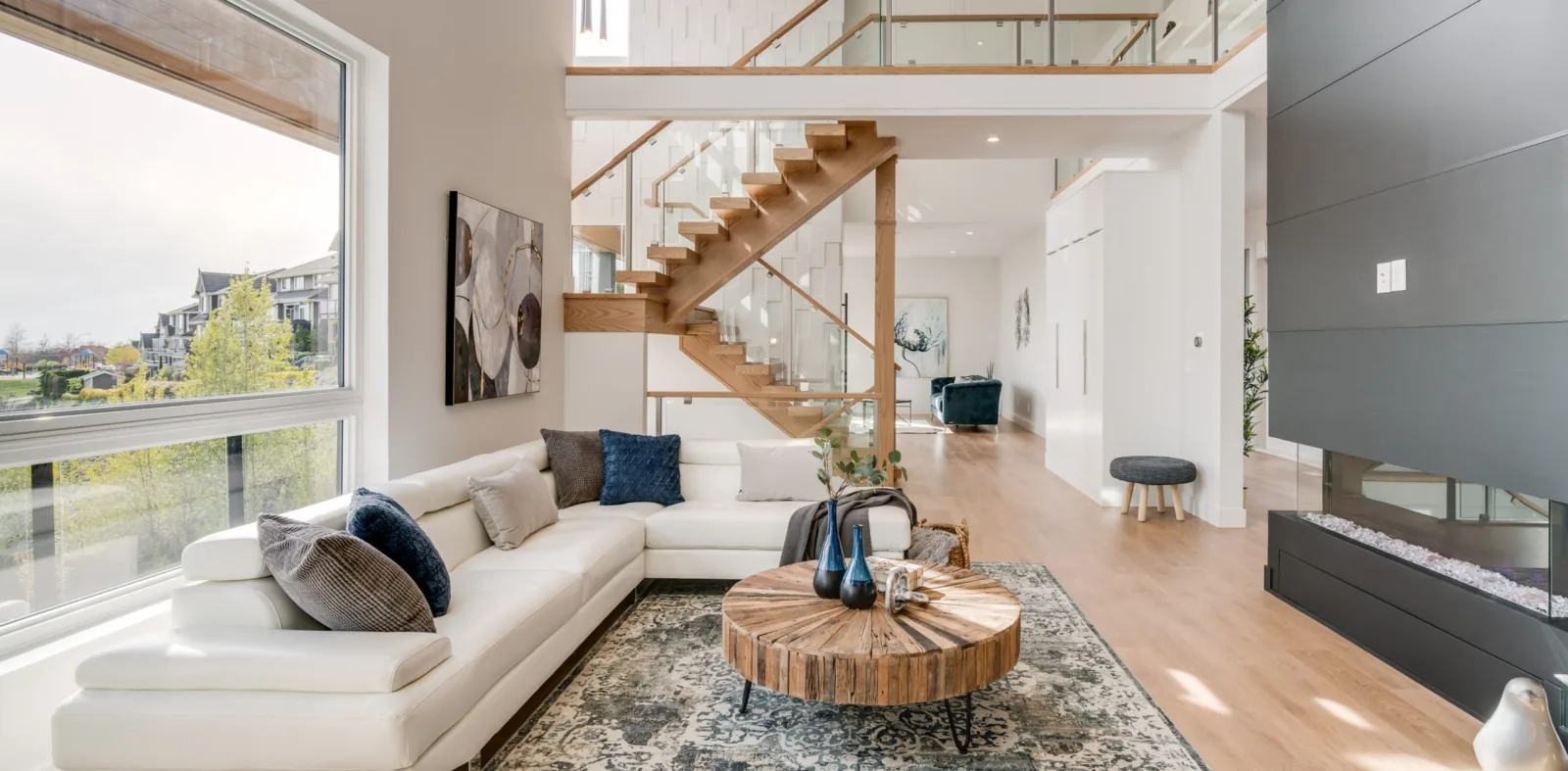
Bespoke Builds
Custom Homes
From foundation to finishing carpentry, homes designed and built around how you actually live, made with materials chosen to age beautifully.
Learn More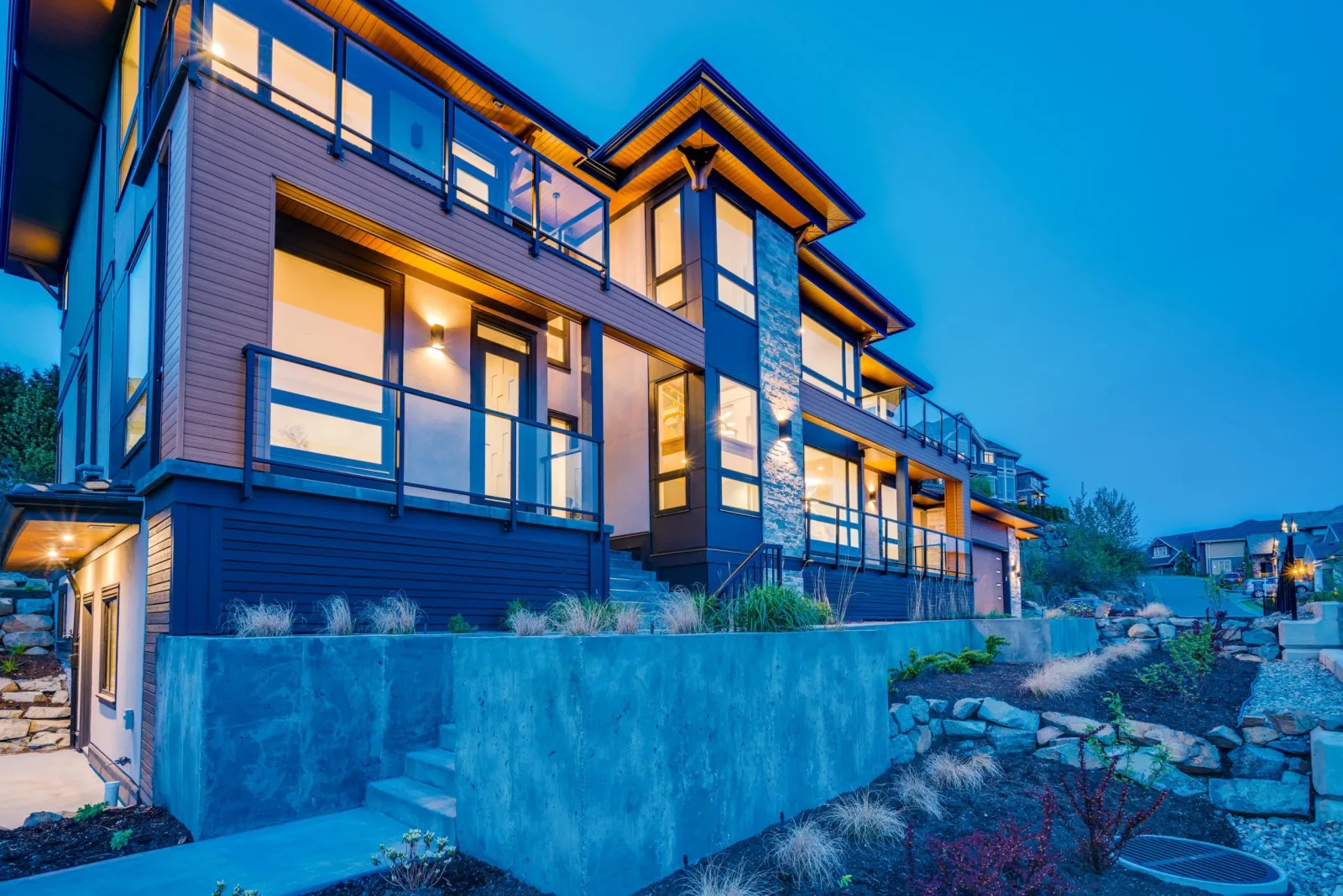
Density, Done Right
Multiplex Construction
Whether for family, tenants or future income, we deliver multiplex projects from rezoning through occupancy with the same craft we bring to single homes.
Learn More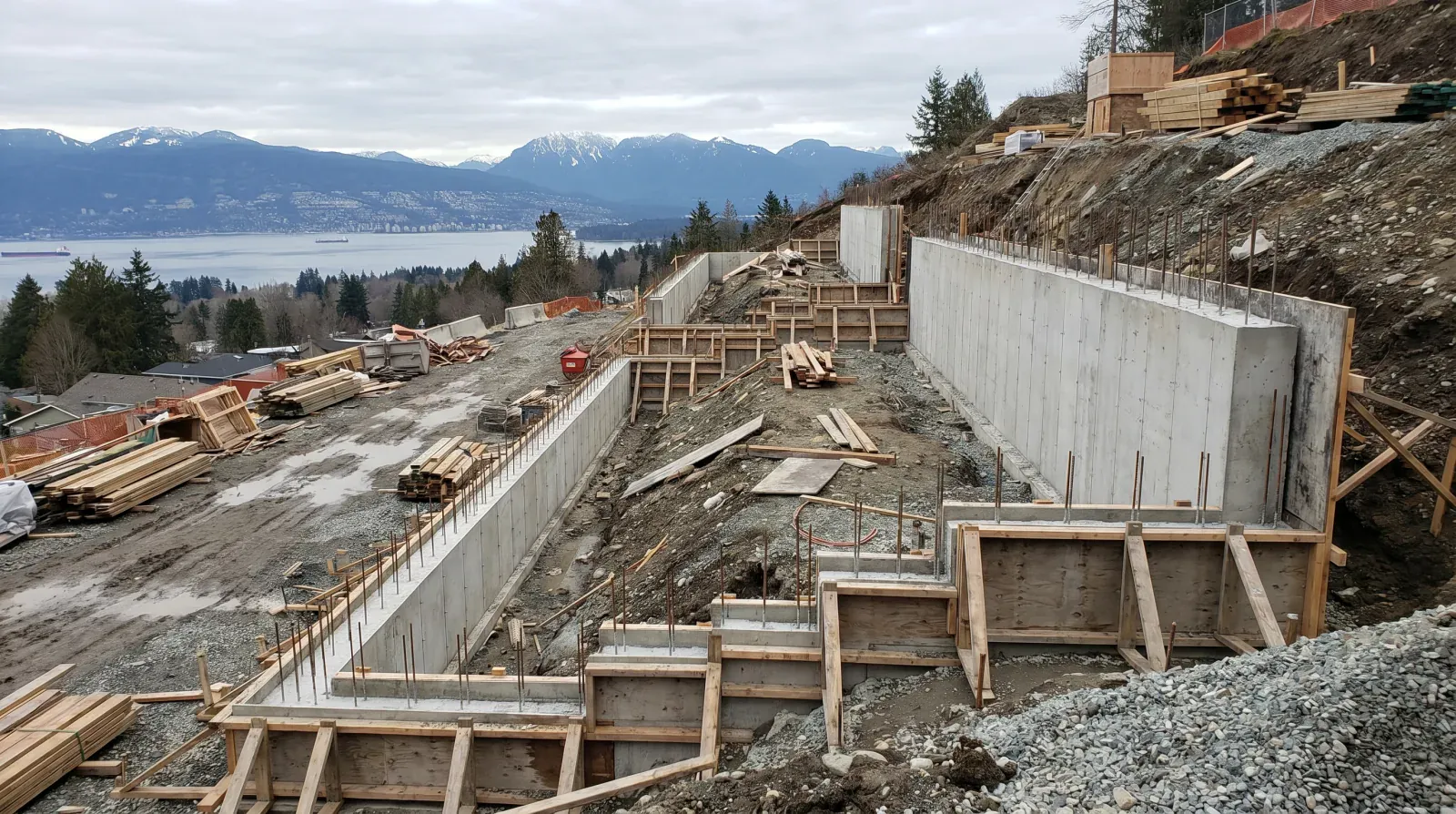
Slope, Soils & Views
Hillside Construction
Stepped foundations, geotechnical-driven retaining walls, hillside drainage, view-corridor bylaws, Burnaby's slope lots demand a builder with two decades of hillside experience. That's what we bring.
Learn More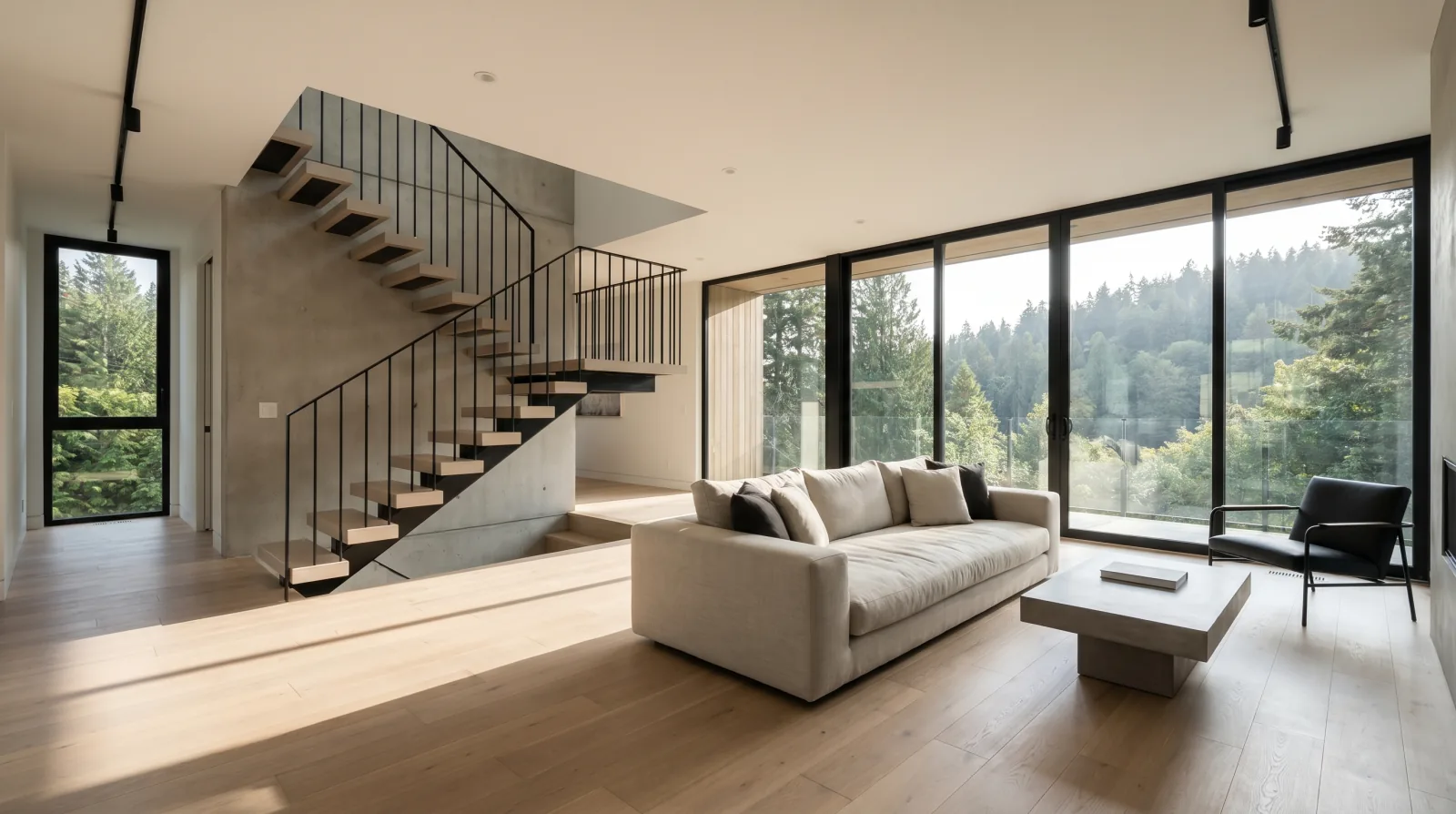
Renovate, Add or Rebuild
Whole-Home Renovation
Major renovations sit on a spectrum from cosmetic refresh to full structural overhaul. We help you find the right point on that spectrum, then build it.
Learn More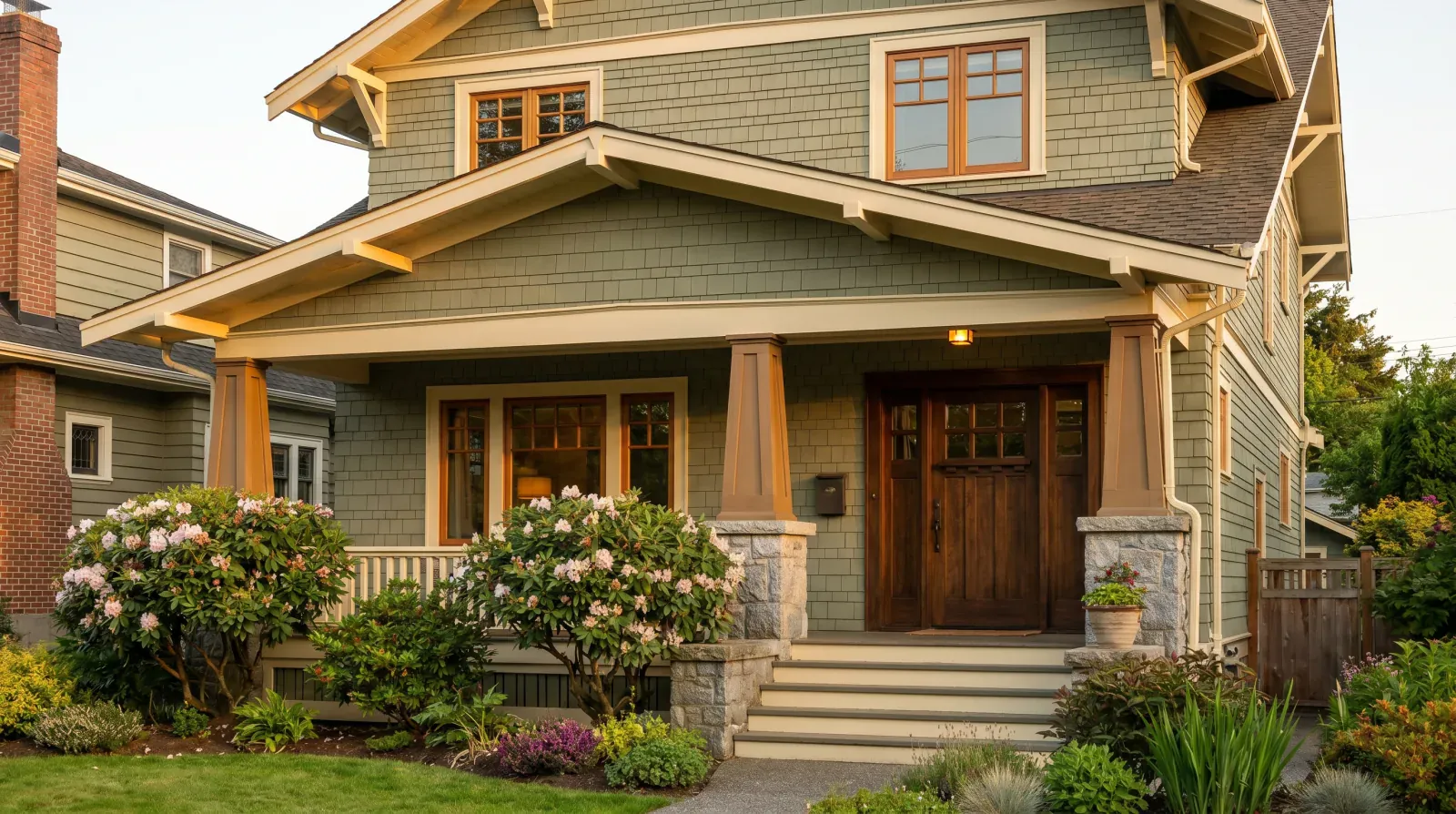
Character, Preserved
Heritage Restoration
Original siding profiles, salvaged fir, restored windows, sympathetic additions, heritage and character home restoration done at builder pace, not museum pace.
Learn More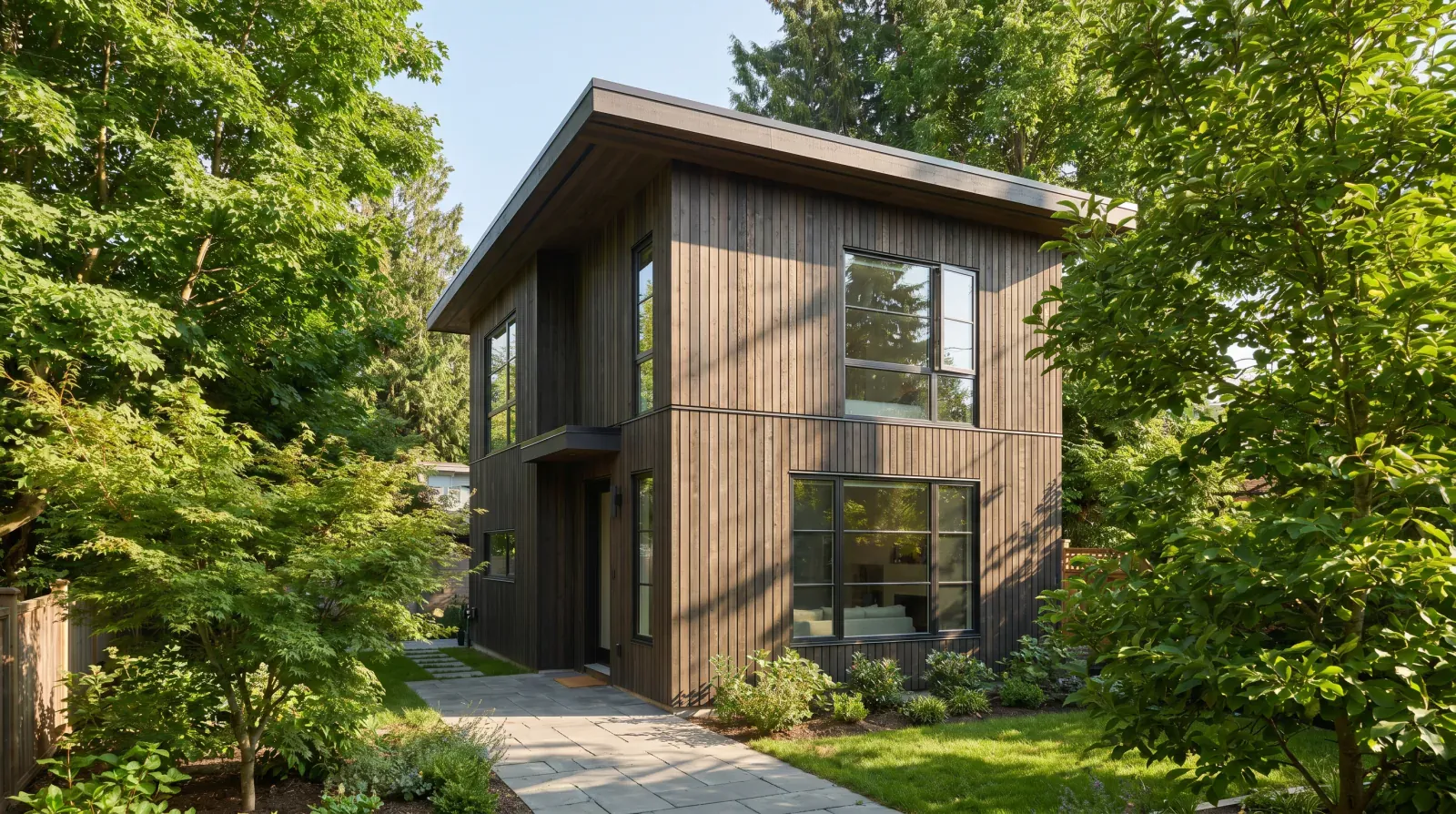
Secondary Dwellings, Done Right
Laneway & Coach Houses
Coach houses and laneway homes built with the same care as the main house, proper envelope, real kitchens, proper sound and fire separation between buildings.
Learn More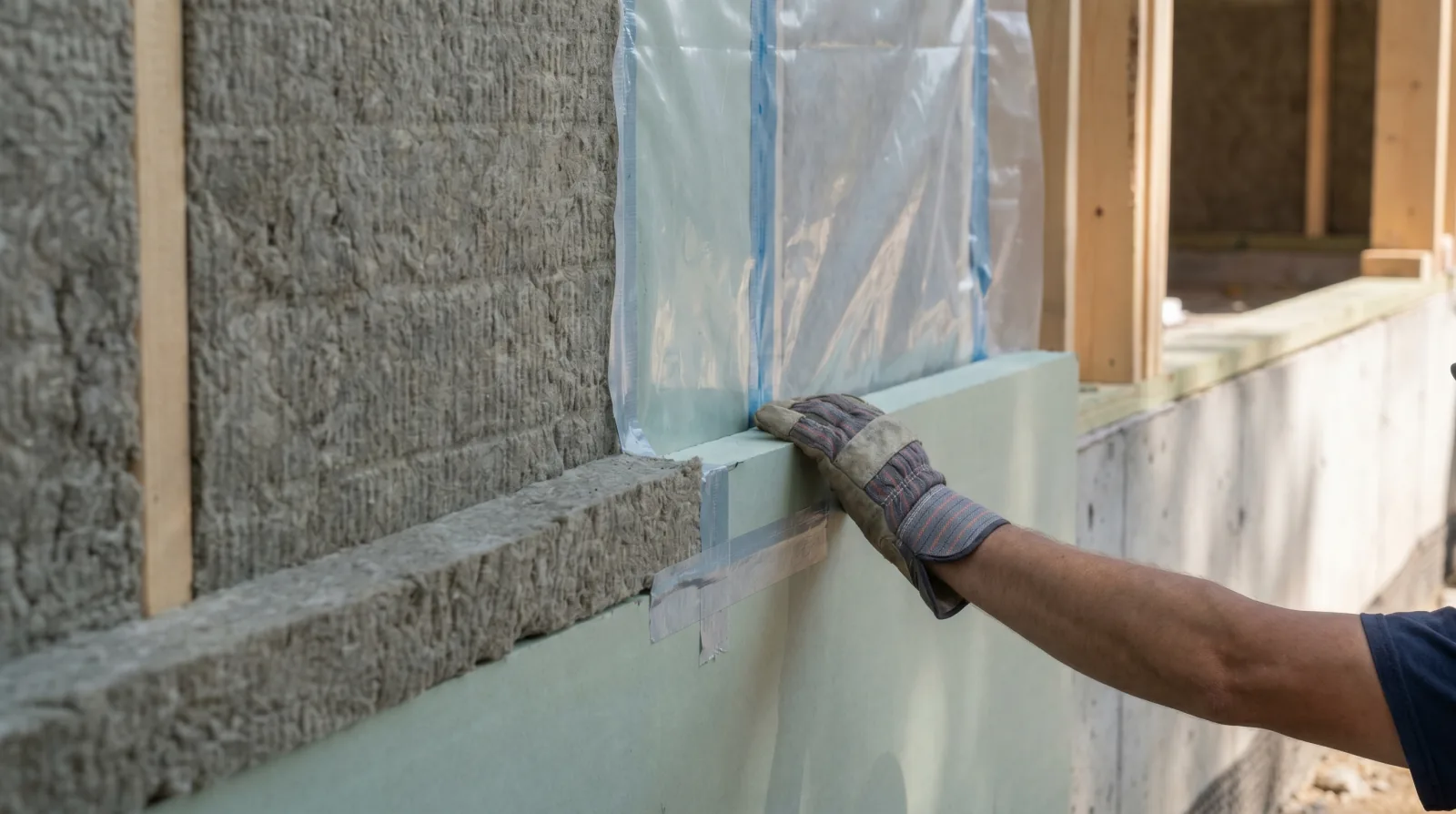
Highest-Performance Envelope
Passive House & Step 5
Step 5 envelopes, blower-door targets under 1.0 ACH₅₀, mineral-wool exteriors, heat-pump mechanical, HRV/ERV, high-performance homes built to certify, not just claim.
Learn More
Renovate, Kitchens
Kitchen Renovation
Refresh, reconfigure, or take walls down, we scope kitchen renovations honestly, then sequence them so you're not living without a sink longer than you have to.
Learn More
Renovate, Bathrooms
Bathroom Renovation
Tile, fixtures and finishes are the visible part. Waterproofing, ventilation and the plumbing routing under the floor are what decide whether the bathroom lasts.
Learn More
Renovate, Add Space
Additions
Over-builds, rear extensions, second-storey adds, additions only work when the connection between new and existing is engineered, not improvised.
Learn More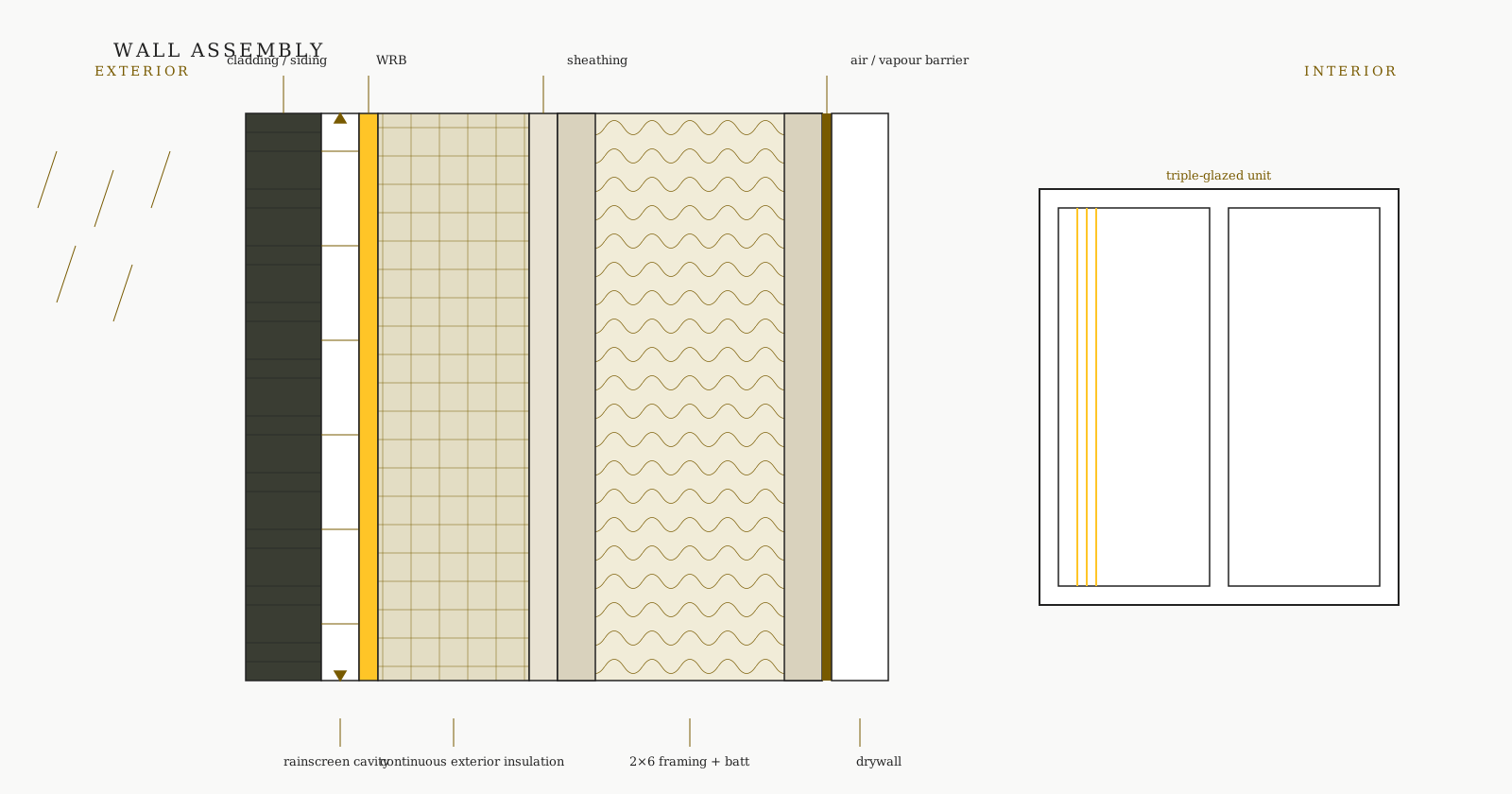
Renovate, Envelope
Exterior Envelope Renovation
Re-clad, retrofit a rainscreen, upgrade insulation, replace windows, envelope work is where most older Burnaby homes get a generation of life back.
Learn More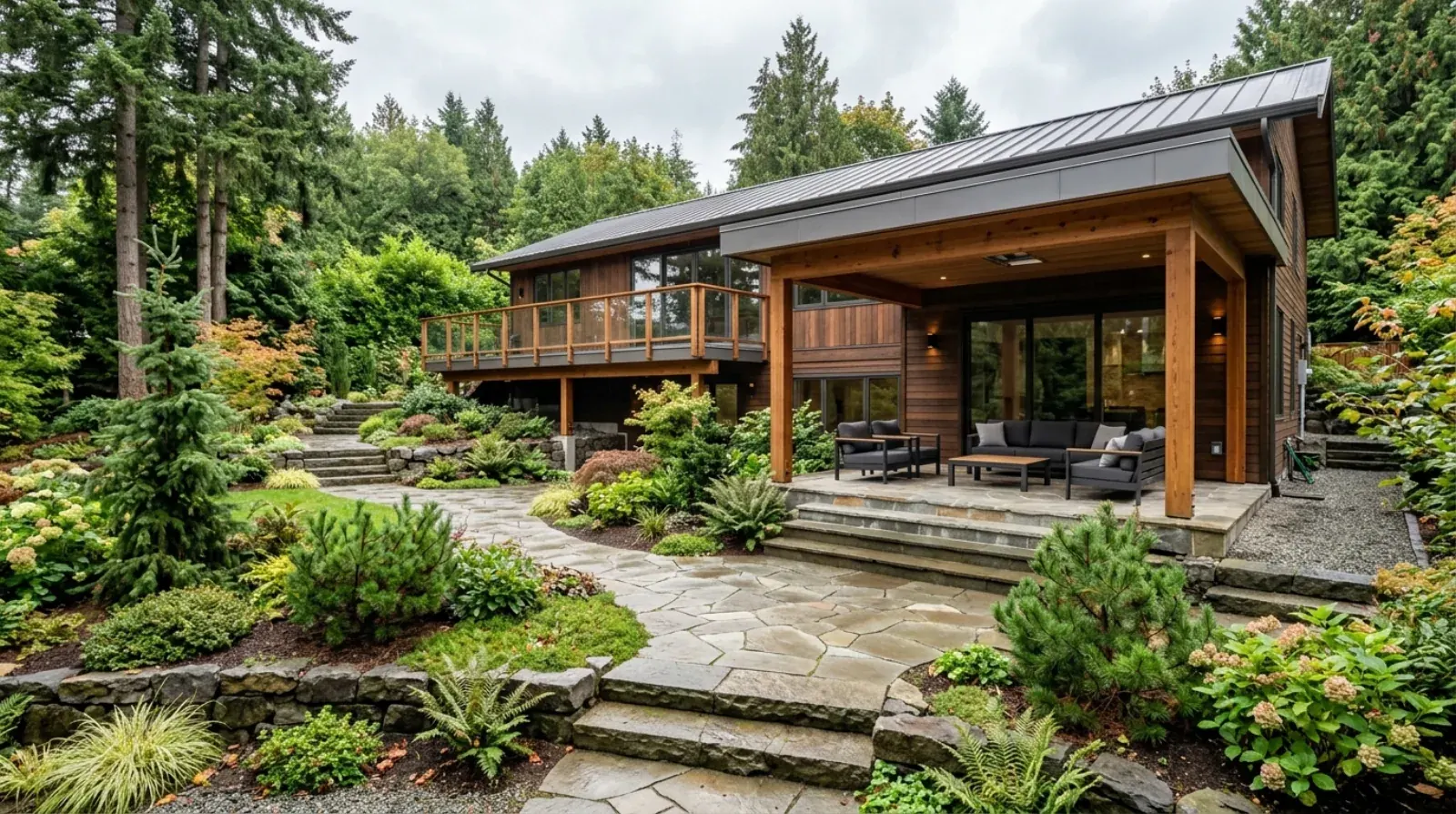
Decks, Grade Change & Privacy
Outdoor Living & Landscape
Decks, retaining walls, fencing, pools, and landscape lighting, planned alongside the house's own site plan and electrical rough-in, not added after the fact.
Learn MoreBegin
Scope a basement renovation
A short conversation is the fastest way to understand whether Icon is the right partner for your project.