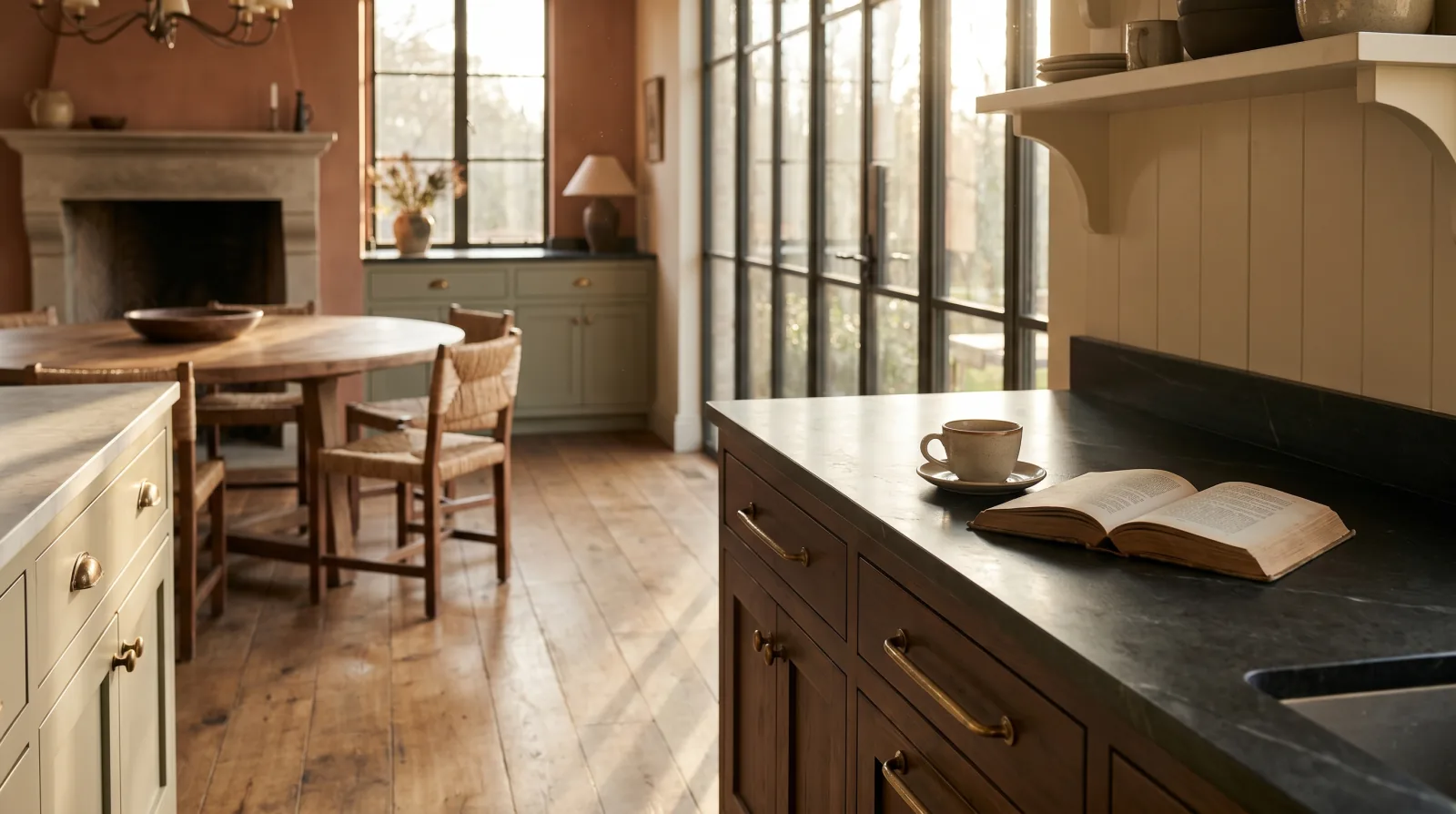
The mistakes that show up in the first six months are obvious and fixable. The ones at year three are quieter, harder to undo, and almost always trace back to a decision made before the foundation was poured. Here's what BC's warranty system catches and what it doesn't.
The mistakes that show up in the first six months are usually obvious, and usually fixable. The ones that show up around year three are quieter, harder to undo, and almost always trace back to a decision made before the foundation was poured.
We've watched this pattern across hundreds of Burnaby and Greater Vancouver custom homes over two decades. Vancouver, Coquitlam, North Vancouver, the Fraser Valley, the failure modes are consistent. The five below are the ones we see most. They're also the five that BC's 2-5-10 home warranty insurance often won't cover, because they're design and specification decisions rather than construction defects, and that's exactly why they're worth catching at the brief stage.
A note on what the warranty actually covers
Worth saying up front. Under BC's Homeowner Protection Act, the mandatory 2-5-10 warranty covers:
- Years 1 to 2: defects in materials and labour
- Years 1 to 5: defects in the building envelope, including unintended water penetration
- Years 1 to 10: structural defects in load-bearing parts of the home
What it does not cover: design choices that age poorly. Specification decisions that produced quiet long-term annoyance. Maintenance you didn't plan for. Convenience compromises that became inconvenient. The 2-5-10 warranty is a structural and envelope safety net, not an aesthetic or ergonomic one. The five mistakes below all live in that uncovered space.
1. Mechanical equipment that wasn't planned for service access
Furnaces. Hot water tanks. HRVs. Water filtration. Heat pumps and air handlers. All of it gets serviced or replaced eventually. We've walked into otherwise excellent builds where the only access path to a sixty-pound piece of equipment is up a turn in a narrow stair. Year three: the part fails, the technician charges double because it's a two-person job, and the family lives without hot water an extra day.
The Energy Step Code makes this worse, not better. Heat-recovery ventilators, heat pumps with backup electric coils, mini-split air handlers, the equipment count in a Step 3 or Step 5 home is higher than in a 2010 home, and every additional unit needs service access.
What we plan for at the design stage:
- Mechanical room sized to allow side-clearance pulls of every major piece of equipment
- Door swing wide enough for the largest single piece (typically the furnace or heat pump indoor unit)
- A clear path from the mechanical room to an exterior door without a 90-degree turn under 36 inches
- Filter access without removing surrounding equipment
- Drain pan and overflow protection sized for plausible failure scenarios
This isn't fancy work. It's a thirty-minute conversation at design development, sketched onto the mechanical room plan, that saves a $400 service call from becoming a $1,200 service call every five years for the life of the home.
2. Plumbing routing that ignored the noise of water
Hot water lines on the back side of a primary bedroom wall. Drain stacks running through a ceiling above a quiet office. Invisible at finish. Impossible to ignore at year three, when the layout is final and the pipes have started to amplify every flush.
Three specific patterns we deliberately avoid:
- Drain stacks above quiet rooms. Bedrooms, offices, libraries. The drain noise from a flush, a shower, or a dishwasher cycle is noticeably louder above the room than beside it.
- Hot water supply lines on shared walls with bedrooms. Thermal expansion clicks from copper supply lines is a documented source of three-year complaints.
- Mechanical pumps and circulators near sleeping areas. Recirculation pumps for the hot water loop, sump pumps in the basement, condensate pumps for HVAC units, all run on schedules and can be heard if mounted on a structural wall shared with a bedroom.
The fix at design is straightforward. Cluster wet walls. Stack plumbing chases vertically rather than horizontally where possible. Acoustically isolate the mechanical room from sleeping areas. Use cast-iron drain stacks (rather than PVC) where stacks run above quiet rooms; the cost differential is small, the acoustic difference is substantial.
3. Cheap finishes on the touch surfaces
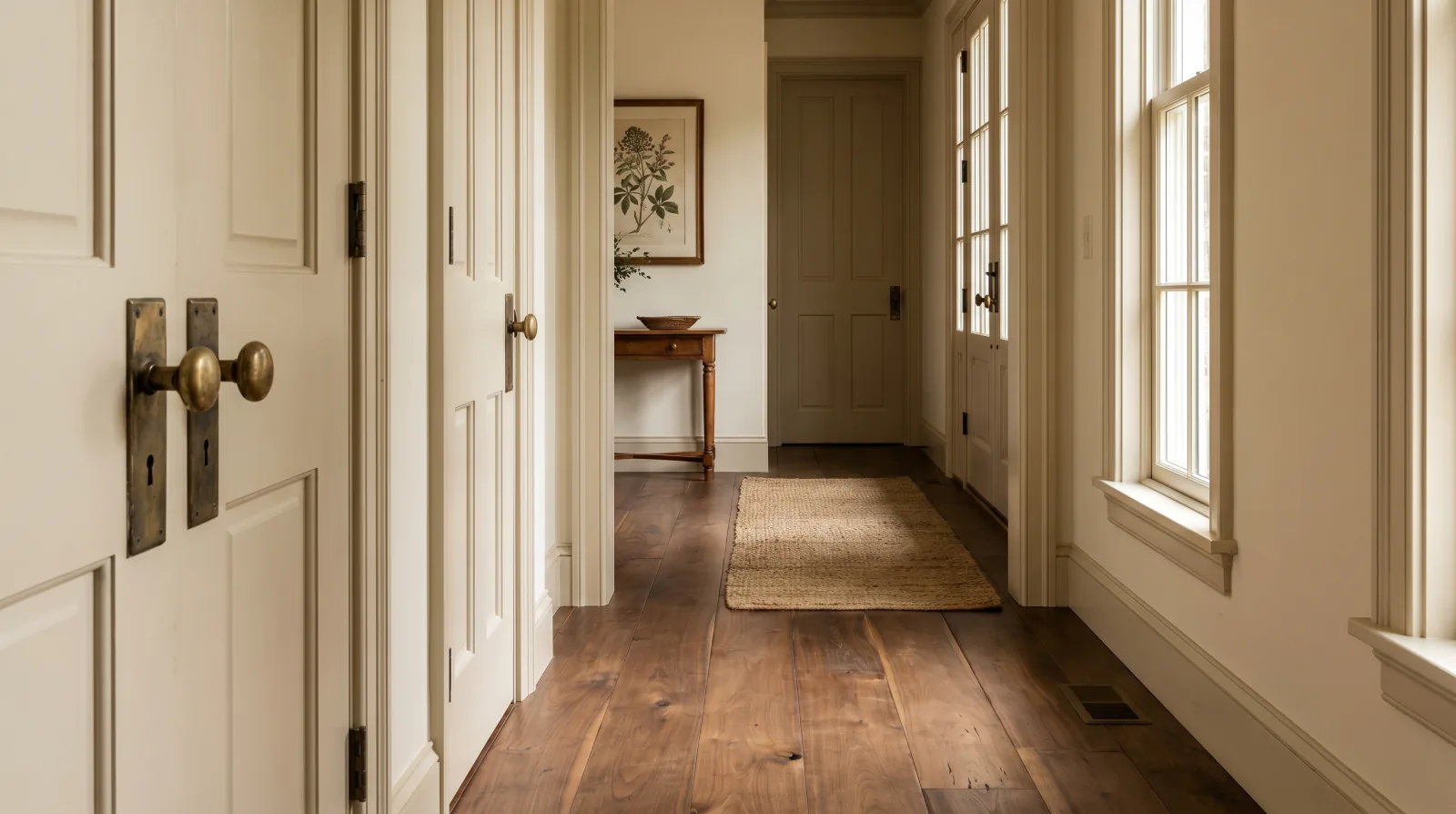
Floors. Door hardware. Faucets. Cabinet handles. Window operators. Light switches. The things a hand actually touches every day. A premium home with bargain hardware looks fine on day one and looks tired by year three, no matter how nice everything else is. We'd rather scale back the marble and put the difference into what fingers actually meet.
The Pacific Northwest climate accelerates this on hardware specifically. Burnaby, Vancouver, North Vancouver, and the Fraser Valley all live with high humidity through the cool half of the year, and bargain plated hardware pits on a faster timeline than the marketing suggests. A few specific specifications we recommend on a forever-home brief:
- Solid brass (unlacquered or oil-rubbed) or marine-grade stainless on door hardware. Not plated zinc.
- Solid brass faucet bodies with ceramic disc cartridges. The body matters more than the finish.
- Real wood or solid metal cabinet handles. Not zinc with a thin plating.
- Solid wood doors at primary openings. Hollow-core in closets if the budget tightens.
4. Paint that wasn't specified to live with kids
Flat paint on a hallway wall. Eggshell on a stair tread. Specifying the wrong sheen for the wrong room is the mistake that becomes visible exactly when scrubbing it makes it worse.
The general rule we work from:
- Flat or matte paint: ceilings only, except in homes without children or pets where flat can extend to bedroom and dining-room walls
- Eggshell: primary living-room and bedroom walls in low-traffic areas
- Satin (or "pearl"): kitchens, bathrooms, hallways, kids' rooms, any wall that gets touched, scrubbed, or splashed
- Semi-gloss: trim, doors, casings, and any high-touch detail
- High-gloss: rare; only by deliberate design choice
The mistake we see most is flat paint on hallway walls. It looks lovely on day one because flat hides drywall imperfections beautifully. By year three, every backpack, every knee, every dragged toy has marked the wall, and the marks won't scrub off without polishing the paint into uneven sheen patches.
Specifying the right sheen costs nothing extra at the painting stage. The cost differential between flat and satin acrylic is essentially zero. The cost of repainting hallways at year four is real.
5. Not planning for technology you'll add later
Cat6 to every room. Conduit to the obvious future runs. Blocking for TVs that haven't been bought yet. Structured wiring back to the mechanical room. Power outlets where the family will eventually want desks, monitors, charging stations. Adding any of it later means cutting drywall, and you only realize you needed it once the family has lived in the home long enough to know how each room actually gets used.
A 2026 family's technology load is meaningfully different from a 2016 family's. Specific things we plan for now that we wouldn't have planned for ten years ago:
- Multiple EV charging circuits. Even on a one-EV household today, planning for two future EVs costs almost nothing in conduit and panel capacity.
- Heat pump support load. A whole-home heat pump (now common under the Step Code) needs a specific electrical configuration, often with backup electric resistance heating during cold spells. Panel capacity has to account for both.
- Battery backup readiness. Home batteries are becoming common. A clean conduit run from the panel to the mechanical room or garage, sized for future battery integration, is cheap to install and impossible to add later.
- Conduit for future low-voltage runs. Even if you're not running fibre, security, or smart-home wiring at construction, leaving accessible conduit between key rooms means future runs don't require drywall surgery.
- Structured wiring closet. A small dedicated closet (or wall-mounted cabinet) where every Cat6 run, every fibre, every coax terminates. Most homes have this stuck in the basement utility room. A purpose-built location is cleaner and more accessible.
We don't catch these because we're smart. We catch them because we've watched dozens of clients regret each one across Burnaby, Vancouver, and the Fraser Valley, and we'd rather they didn't.
Icon Projects Team
What these five have in common
None of these are exotic. None of them require expensive materials or unusual construction techniques. They're the ordinary, low-glamour decisions that decide whether a home feels well-built three years in, or just well-photographed three months in.
Three things they share:
- They're all design decisions, not construction defects. The 2-5-10 warranty doesn't backstop them.
- They're all cheap to address at the brief or design-development stage. They're expensive or impossible to address at year three.
- They're all invisible to the camera. Marketing photos of a finished home don't show service-access paths, drain-stack locations, or paint sheen choices.
The owners who avoid them are the ones who walk through the brief carefully with a builder before drawings start. The questions are mundane: where does the laundry land, where does the family decompress, who services the mechanical, where will future tech go. The mundane questions are the ones that decide year three.
A practical brief-stage checklist
Before locking the design on a Burnaby, Vancouver, or Fraser Valley custom home, the five questions we put on the brief:
- Where does every piece of mechanical equipment land, and how is it serviced?
- Where do drain stacks and supply lines run, and what's above and beside them?
- What are the touch surfaces, and what are they specified as?
- What sheen of paint is on each wall in each room?
- What technology load is the home planned for in years five and ten, not just years one?
A custom home that answers those five questions cleanly will read differently in year three than one that punted them to the field.
Related on the Journal
- What year-five regrets actually look like
- Materials that age beautifully
- The pre-drywall walkthrough that prevents most of them
Frequently asked questions
- What does BC's 2-5-10 home warranty actually cover on a custom home?
- Under BC's Homeowner Protection Act, the mandatory 2-5-10 warranty covers materials and labour defects for years one to two, building envelope defects including unintended water penetration for years one to five, and structural defects in load-bearing parts of the home for years one to ten. It does not cover design choices that age poorly, specification decisions that cause long-term annoyance, or convenience compromises, which is why those issues tend to surface unaddressed around year three.
- Why do mechanical rooms need to be planned for service access at the design stage?
- Because furnaces, hot water tanks, HRVs, and heat pumps eventually need repair or replacement, and a mechanical room without side-clearance for pulling equipment turns a routine service call into a two-person job. The Energy Step Code adds to the equipment count, heat-recovery ventilators, heat pumps with backup coils, mini-split air handlers, so more units need service access than in an older home. Planning door swing, a clear exterior path, and filter access at design development is a short conversation that prevents an expensive repair later.
- Why does plumbing routing affect noise in a custom home?
- Drain stacks running above quiet rooms like bedrooms or offices, hot water supply lines on shared walls with bedrooms, and mechanical pumps mounted near sleeping areas are all invisible at finish but become noticeably louder by year three as the household settles into daily patterns. The fix is to cluster wet walls, stack plumbing chases vertically rather than horizontally, acoustically isolate the mechanical room, and use cast-iron drain stacks instead of PVC above quiet rooms, since the cost difference is small but the acoustic difference is significant.
- Why do touch surfaces like hardware and faucets matter more than people expect?
- Because they are the things a hand meets every day, and bargain-plated hardware corrodes faster in the Pacific Northwest's high humidity than the marketing suggests. Solid brass or marine-grade stainless door hardware, solid brass faucet bodies with ceramic disc cartridges, and real wood or solid metal cabinet handles hold up where plated zinc pits and dulls. A premium home with bargain hardware looks fine at handover and looks tired by year three.
- What paint sheen mistake shows up most often by year three?
- Flat paint on hallway walls. It looks attractive on day one because flat hides drywall imperfections, but by year three every backpack, knee, and dragged toy has marked the wall, and the marks won't scrub off without leaving an uneven sheen. Satin or pearl finishes are the better choice for kitchens, bathrooms, hallways, and kids' rooms, since the cost difference between flat and satin acrylic paint is essentially zero at the time of painting.
- What technology planning gets missed most often in a new custom home?
- Structured wiring: Cat6 to every room, conduit to obvious future runs, blocking for TVs, and outlets sized for desks and charging stations. Families realize they need it only after living in the home long enough to know how each room actually gets used, and by then adding it means cutting drywall. Planning multiple EV charging circuits, heat pump support load, and a clean conduit run for a future battery costs little during construction and is difficult to retrofit.
- Why do these year-three mistakes fall outside the home warranty?
- Because they are design and specification decisions rather than construction defects, and BC's 2-5-10 warranty is a structural and envelope safety net, not an aesthetic or ergonomic one. Mechanical service access, plumbing noise, touch-surface hardware, paint sheen, and technology wiring are all cheap to get right at the brief or design-development stage and expensive or impossible to fix once the home is built, which is why none of them show up in a warranty claim.
- When is the right time to address these five mistakes in a custom home build?
- At the brief stage, before drawings start, not after move-in. Questions like where mechanical equipment lands and how it's serviced, where drain stacks and supply lines run, what the touch surfaces are specified as, what paint sheen goes in each room, and what technology load the home should support in five to ten years are all mundane, low-cost decisions early on. Left until year three, each one requires cutting into finished walls or living with the compromise.